
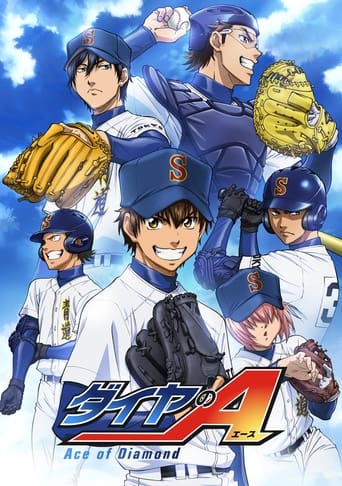
Shows Like Ace of the Diamond
Scouted for his potential, brash left-handed pitcher Eijun Sawamura joins baseball powerhouse Seido High to become the undisputed ace of the team.
Ranked by shared creators, cast, themes, genre, and network — not just generic recommendations.
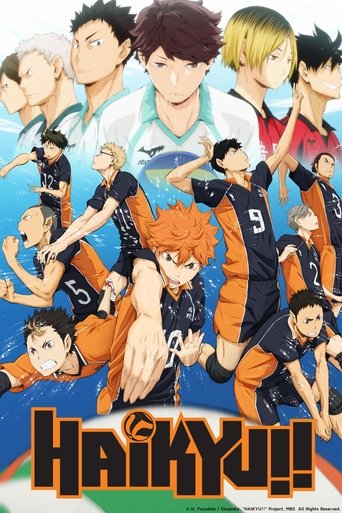
Haikyu!!
High school team sport shounen anime with rival school tournaments, underdog protagonist, and intense training arcs — closest peer.
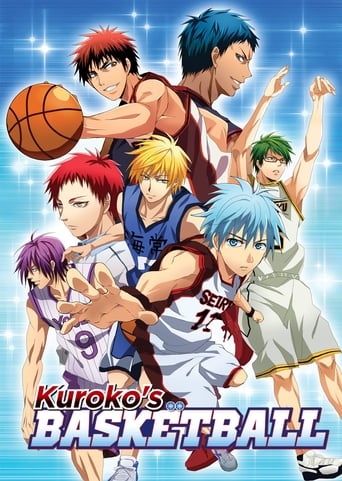
Kuroko's Basketball
High school basketball shounen with prodigy teammates, tournament arcs, and strong bromance — direct peer in the sports anime space.
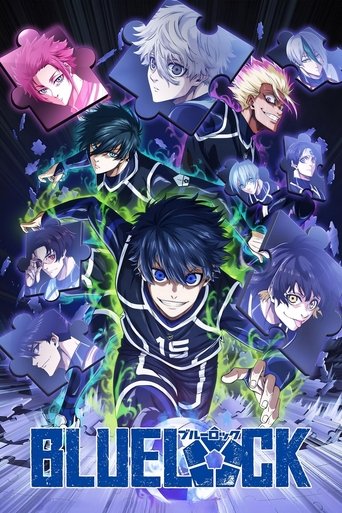
BLUE LOCK
High school soccer shounen focused on becoming the best striker; ego-driven protagonist arc mirrors Sawamura's ace ambition.
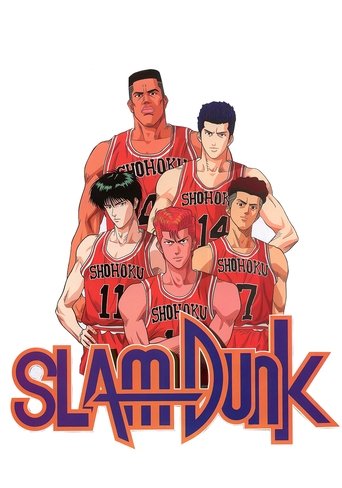
Slam Dunk
Classic high school basketball manga-adaptation with bukatsu club, rival schools, and a delinquent rookie growing into a key player.
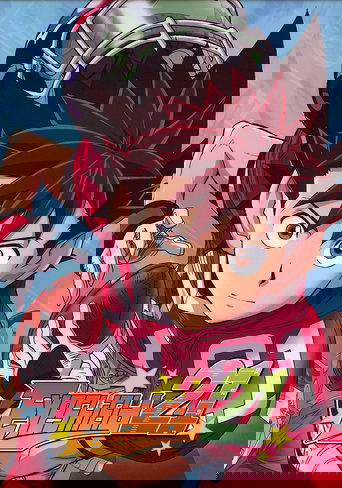
Eyeshield 21
High school American football shounen; unassuming protagonist recruited for hidden talent, same school-club tournament formula.
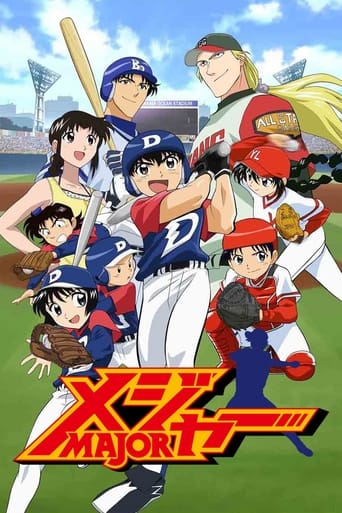
Major
Baseball-specific shounen following Goro Honda from youth to pros; closest genre/sport match to Ace of the Diamond.
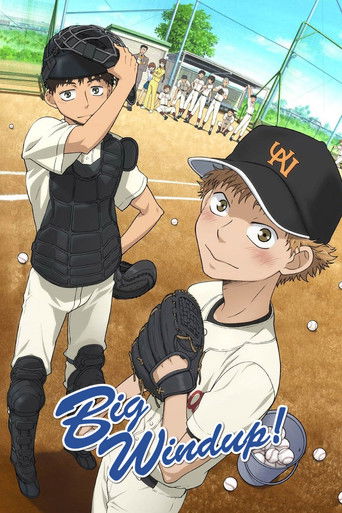
Big Windup!
High school baseball pitcher protagonist, tactical gameplay focus, and team-building drama — near-identical premise to Daiya.
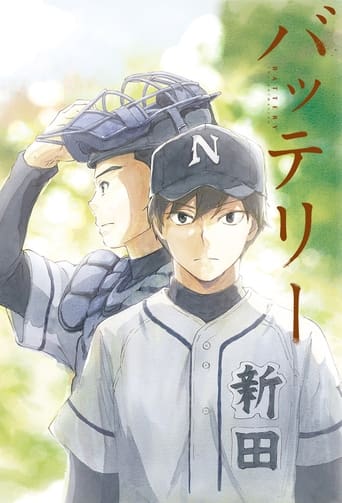
Battery
Ace pitcher and catcher duo in high school baseball; mirrors Sawamura/Miyuki dynamic directly.
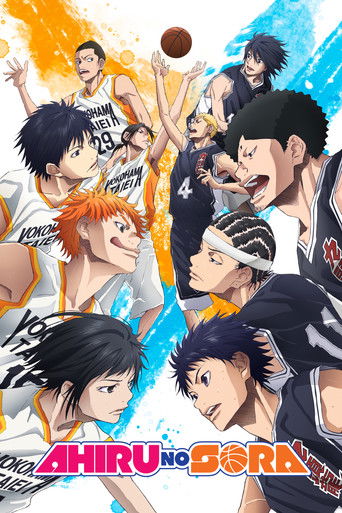
Ahiru no Sora
High school basketball club with unmotivated teammates and a determined short-statured protagonist; shares bukatsu revival structure.
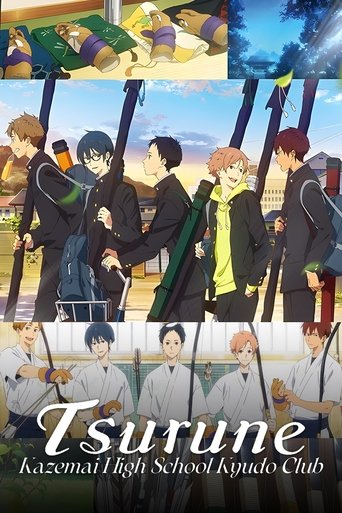
Tsurune
High school kyudo (archery) club anime with mental block, rivalry, and team bonding — same bukatsu emotional template.
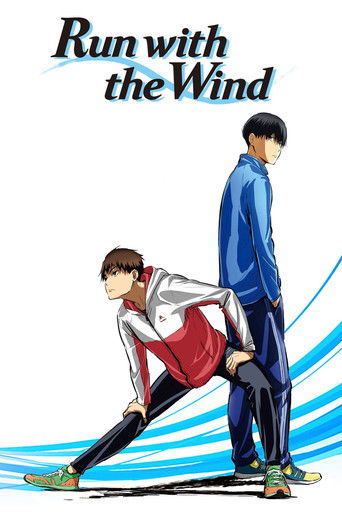
Run with the Wind
College track relay anime with a reluctant ace and intense training; adult equivalent of Daiya's underdog-to-contender arc.

HANEBADO!
High school badminton club anime with a prodigy protagonist and psychological intensity; sports drama tone matches Daiya.
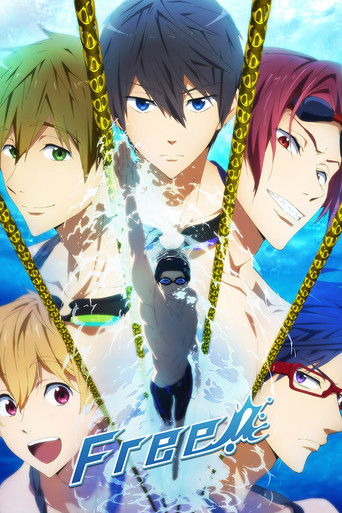
Free!
High school competitive swimming club with rivalry, tournament pressure, and strong male bonds — bukatsu formula in different sport.
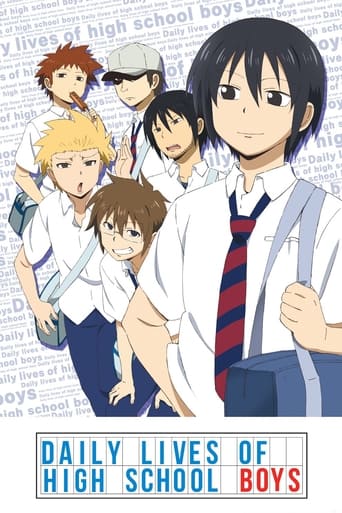
Daily Lives of High School Boys
Same Japanese high school male ensemble setting with bromance; comedy focus but shares school-life cultural context.

Your Lie in April
Shared lead cast (Hanae, Osaka); high school competition and mental barriers to peak performance echo Daiya's themes.

Keijo!!!!!!!!
High school sports club shounen structure with tournament arcs; very different tone and fanservice focus but same bukatsu DNA.
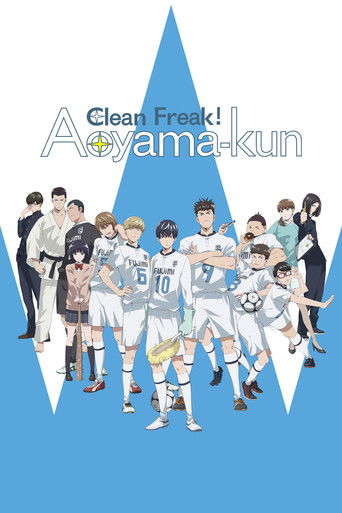
Clean Freak! Aoyama-kun
High school soccer club anime; sports present but comedy-quirk character focus diverges from Daiya's serious competitive tone.

Fruits Basket
Shares notable cast (Shimazaki, Sakurai); high school setting with strong emotional arcs, but no sports content.
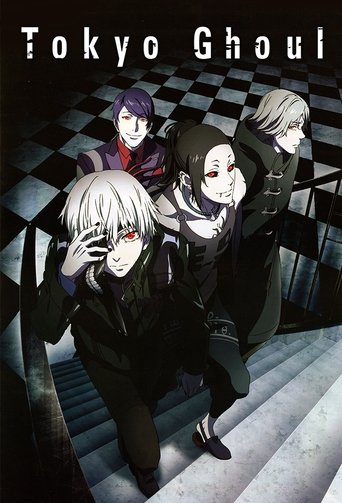
Tokyo Ghoul
Shares three lead voice actors (Hanae, Asanuma, Sakurai); dark supernatural genre is distant but cast overlap is substantial.

We Never Learn: BOKUBEN
Stars Ryota Osaka; high school setting with determined protagonist striving for a goal — thematic parallel via cast connection.
How Good Is Ace of the Diamond?
Ratings across IMDb and TMDB, plus our verdict.
Where to Watch Ace of the Diamond
Streaming, rental, and purchase options across 40+ countries.
United States
USStream
2 Crunchyroll Amazon Channel
 Crunchyroll
Free with Ads
1 AD tv
AD tvAvailable in 123 countries
Frequently asked about Ace of the Diamond
Common questions people search for, with answers written by us at MoviesPack.
Why does Eijun Sawamura leave his small rural team to join the elite Seidou High School?
After pitching a heartfelt final game for his middle school friends, Sawamura is scouted by Seidou coach Tesshin Kataoka, who sees raw potential in his unusual left-handed pitching style. Sawamura accepts a scholarship partly to honor his teammates' faith in him and partly because the competitive environment at Seidou represents the only path toward becoming a truly elite pitcher. His motivation is as much about proving himself worthy of that trust as it is about personal ambition.
What drives the rivalry between Sawamura and the ace pitcher Satoru Furuya?
Both Sawamura and Furuya arrive as first-years competing for the same role, but their styles are diametrically opposite — Furuya relies on raw overpowering speed while Sawamura uses movement, control, and mental cunning. The rivalry deepens because neither simply wants to beat the other; each is forced to confront what he personally lacks by watching the other succeed. This competition ultimately pushes both pitchers to evolve in ways neither would have managed alone.
What is the significance of the 'ace number' and why is it so central to the story?
At Seidou, wearing jersey number 1 is not automatically assigned to the best pitcher — it must be earned through demonstrated performance and the trust of coaches and teammates. The number becomes a symbol of readiness and responsibility rather than raw talent, which is why it takes Sawamura multiple seasons of growth before he is seriously considered for it. The long chase for the ace number structures the entire series as a story about development and earning recognition through consistent effort.
Why does coach Kataoka's strict and often harsh management style remain a source of tension throughout the series?
Kataoka deliberately withholds praise and pushes players past their comfort zones because he believes elite competition at the national tournament level demands mental resilience above technical skill. Some players and fans within the story question whether his methods crush confidence rather than build it, creating genuine ambiguity about the line between discipline and harm. The series never fully resolves this tension, instead showing that different players respond to his style differently — some thrive, some struggle, and outcomes depend as much on the individual as on the method.
How does catcher Kazuya Miyuki's relationship with Sawamura evolve beyond a simple battery partnership?
Initially Miyuki views Sawamura as a liability whose wild pitching creates more problems than it solves, and Sawamura resents Miyuki's cold, calculating attitude toward the game. Over time, however, Miyuki recognizes that Sawamura's instincts and competitive fire fill a gap that purely analytical pitchers cannot, while Sawamura learns that Miyuki's game-calling intelligence is what transforms his raw movement into genuine weapons. Their bond becomes the emotional core of the team because their trust on the mound must be built from scratch against the friction of two very different personalities.
Recent Updates
New Trailer: Ace of the Diamond