Shows Like Agatha Christie's Marple
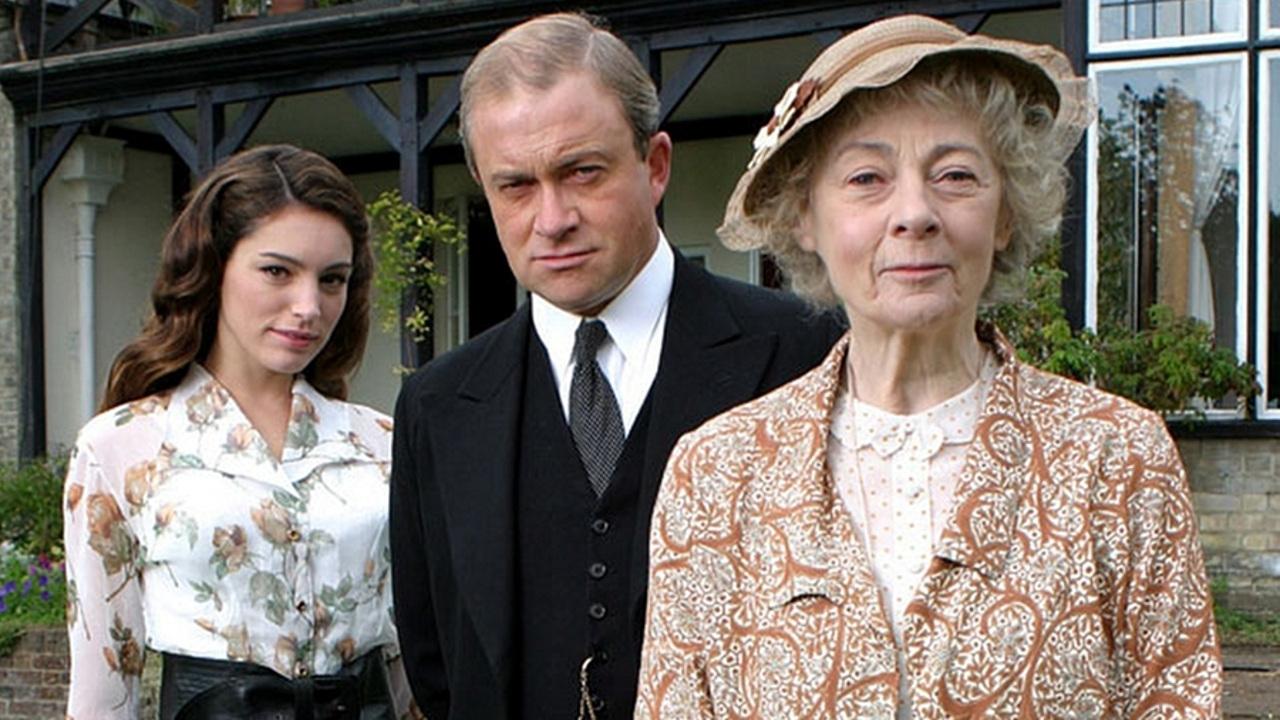
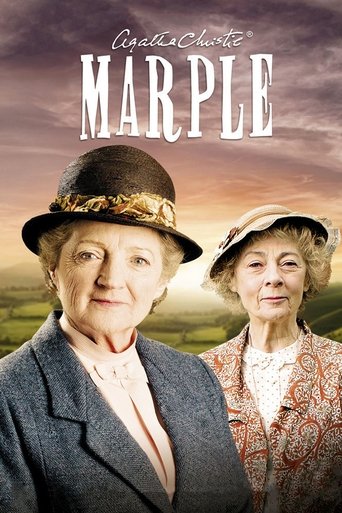
The adventures of Miss Jane Marple, an elderly spinster living in the quiet little village of St Mary Mead. During her many visits to friends and relatives in other villages, Miss Marple often stumbles upon mysterious murders which she helps solve. Although the police are sometimes reluctant to accept Miss Marple's help, her reputation and unparalleled powers of observation eventually win them over.
Ranked by shared creators, cast, themes, genre, and network — not just generic recommendations.
Agatha Christie's Poirot
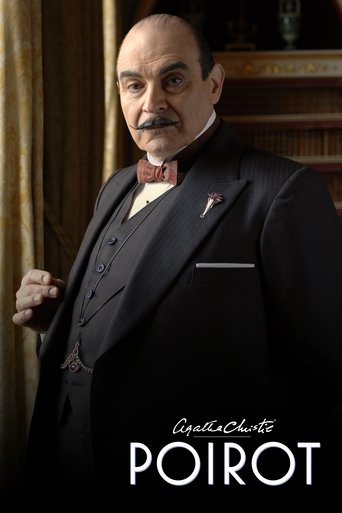
The other major Agatha Christie TV series — same franchise, same era feel, same village/drawing-room mystery format.

Why Didn't They Ask Evans?
Direct Agatha Christie adaptation produced by Hugh Laurie — same franchise source material, same cozy British mystery aesthetic.

Ordeal by Innocence
Agatha Christie adaptation (BBC) — same franchise, whodunit family murder mystery set in period England.

Midsomer Murders
British cozy village murder mystery series — same idyllic English countryside setting, amateur-adjacent detective, long-running format.
Father Brown
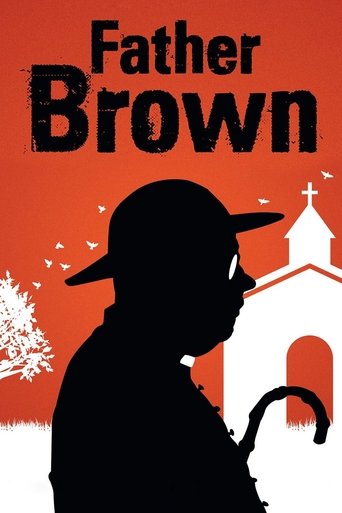
British cozy mystery with amateur sleuth detective, based on classic detective fiction, period village setting, warm tone.

Vera
British female detective drama based on novels by Ann Cleeves — methodical, character-led mysteries in rural English setting.

Grantchester
British village-based mystery with amateur sleuth vicar solving murders — cozy tone, period England, same audience demographic.

Endeavour
British period mystery procedural — intellectual detective, classic whodunit plotting, same heritage crime drama audience.

Three Pines
Village-set murder mysteries with eccentric locals hiding secrets, based on novels — shares cozy mystery DNA with Marple.

Murder in a Small Town
Detective escapes city for quiet coastal town only to find murders — based on novels, same small-community mystery premise.

Vigil
British murder mystery procedural with a resourceful female detective — competent investigator in hostile environment, similar craft.

Annika
British female-led crime mystery series, sharp and witty protagonist, based on source material — shares tone and audience.

Coroner
Mystery procedural led by a woman uncovering secrets in each case — based on novels, character-driven investigations.

Fool Me Once
British mystery miniseries based on Harlan Coben novel — conspiracy unraveling through murder, same heritage mystery viewer.

Missing You
Harlan Coben British mystery miniseries — detective protagonist, secrets from the past, same mystery-drama fanbase.

A Good Girl's Guide to Murder
Amateur detective reopens a cold murder case — shares amateur sleuth spirit and murder mystery format with Marple.

Inside Man
British crime mystery with clever plotting — different tone (darker, modern) but shares intellectual puzzle-mystery sensibility.

Mosaic
Small-town murder mystery unraveling a local celebrity's death — loose tonal overlap but more noir and US-set.

Cross
Novel-based detective procedural with obsessive investigator — genre cousin but US-set serial killer tone far from cozy.

Tell Me Lies
Mystery-drama based on a novel with slow-burn secrets — shares mystery label but is a college relationship thriller, not cozy.
How Good Is Agatha Christie's Marple?
Ratings across IMDb and TMDB, plus our verdict.
Where to Watch Agatha Christie's Marple
Streaming, rental, and purchase options across 40+ countries.
United States
USStream
12 Hulu
Hulu Britbox Apple TV channel
 PBS
PBS Acorn TV
 BritBox
 PBS Masterpiece Amazon Channel
 AcornTV Amazon Channel
 BritBox Amazon Channel
 Spectrum On Demand
 Acorn TV Apple TV channel
 WETA+
WETA+ Thirteen
Free with Ads
2 KQED
KQED Amazon Prime Video
Buy
2 Amazon DVD / Blu-ray
 Amazon Video
Available in 24 countries
Frequently asked about Agatha Christie's Marple
Common questions people search for, with answers written by us at MoviesPack.
How does Miss Marple solve murders without any official authority or forensic resources?
Miss Marple relies entirely on her intimate knowledge of human nature, drawn from decades of observing the social dynamics of the small village of St. Mary Mead. She operates on the principle that people are fundamentally the same everywhere — a scheming neighbor in a village mirrors a scheming suspect in a country house. By drawing quiet parallels between the crime at hand and familiar village personalities, she pieces together motive and opportunity before the police have even framed the right questions.
Why do murderers in Miss Marple's cases so often turn out to be the least-suspected person?
Christie structures her plots around the deliberate misdirection of sympathy — the grieving widow, the charming young man, or the respectable pillar of the community are frequently the killers precisely because they understand how to appear above suspicion. Miss Marple recognizes this strategy instinctively, noting that truly dangerous people cultivate an image of innocence with great care. The stories suggest that respectability and social charm are often the most effective disguises a murderer can wear.
What motivates the killers in Miss Marple stories — is it always greed or are other forces at work?
While inheritance and financial gain drive many plots, the series equally explores jealousy, wounded pride, obsessive love, and the desperate desire to protect a secret or a reputation. Some killers act to preserve a comfortable social position that would be destroyed by exposure, while others are driven by a long-festering resentment that finally boils over. Christie is particularly interested in how ordinary, outwardly unremarkable people can be pushed to murder when their carefully constructed lives feel threatened.
Are the endings of individual episodes conclusive, or do some cases leave guilt or innocence ambiguous?
Most episodes resolve with a definitive unmasking — Miss Marple confronts the killer, often engineering a confession or a slip of the tongue in a final gathering of suspects. However, Christie occasionally layers her endings with a quiet moral ambiguity: the guilty party may die before facing justice, or the truth is revealed only to Miss Marple and withheld from the wider world to spare the innocent. In these cases the audience understands the full picture even when official justice is absent or incomplete.
How does the show handle the recurring theme of village life concealing dark secrets?
St. Mary Mead and the country houses Miss Marple visits are presented as places where surface gentility papers over simmering grievances, buried scandals, and decades-old crimes. The series consistently argues that close-knit communities breed secrets rather than prevent them, because everyone has too much to lose from exposure. Miss Marple's genius is that she has spent a lifetime watching this process in miniature, so no amount of polished manners or social deference fools her when something underneath feels wrong.
Recent Updates
New Trailer: Agatha Christie's Marple