Movies Like The Good, the Bad and the Ugly
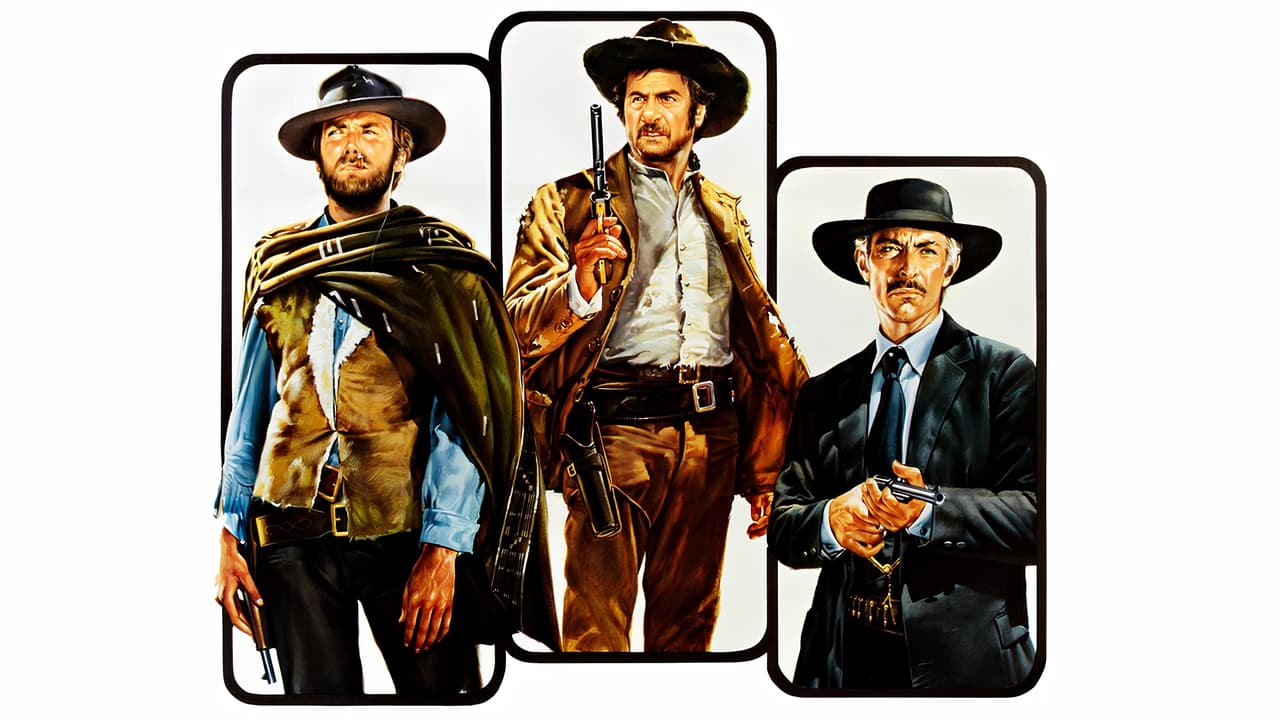
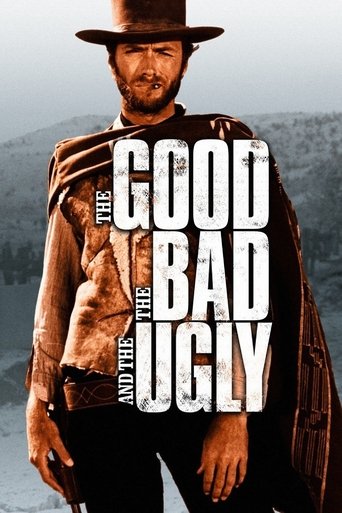
While the Civil War rages on between the Union and the Confederacy, three men – a quiet loner, a ruthless hitman, and a Mexican bandit – comb the American Southwest in search of a strongbox containing $200,000 in stolen gold.
Ranked by shared directors, cast, themes, genre, and era — not just generic recommendations.
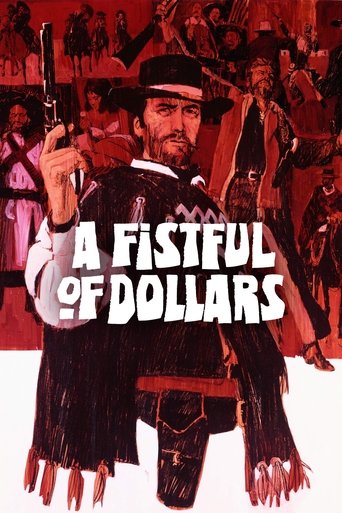
A Fistful of Dollars
Part 1 of Leone's Dollar Trilogy — same director, same Eastwood 'Man with No Name', same spaghetti western universe.
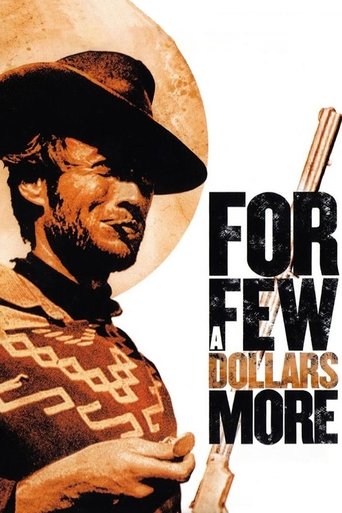
For a Few Dollars More
Part 2 of Dollar Trilogy — Leone, Eastwood, Lee Van Cleef, bounty hunters; direct predecessor to GBU.
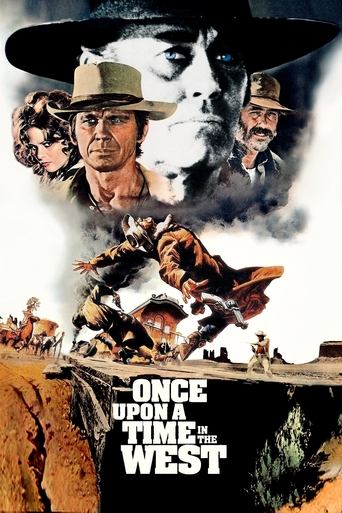
Once Upon a Time in the West
Leone's masterwork follow-up, same DP Tonino Delli Colli, spaghetti western epic with identical operatic style.
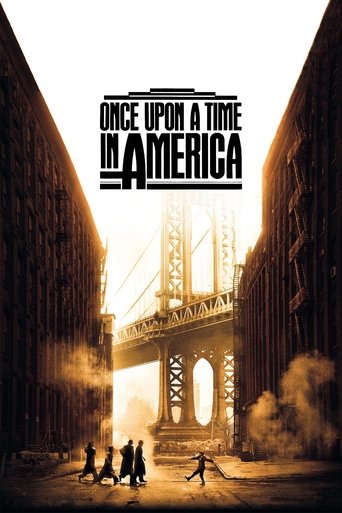
Once Upon a Time in America
Leone's final film — same director, same DP, same epic moral ambiguity and sprawling crime saga scale.
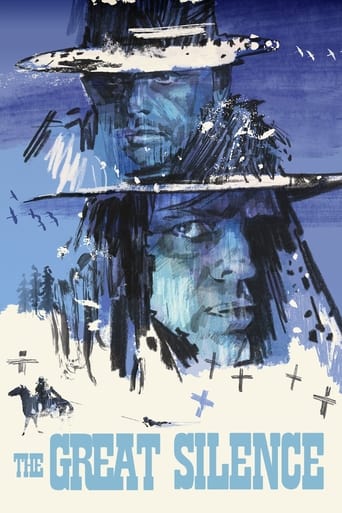
The Great Silence
Sergio Corbucci spaghetti western with Luigi Pistilli; dark, anti-hero bounty hunter film in the same Italian Western tradition.
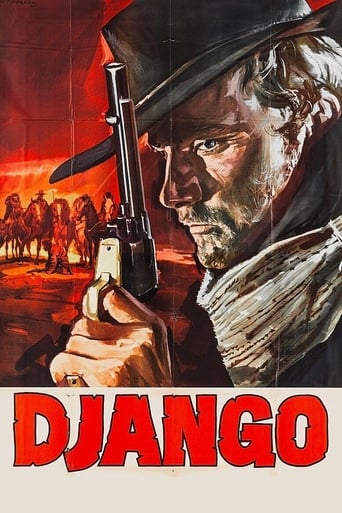
Django
Sergio Corbucci's iconic spaghetti western; shares Leone's moral nihilism, anti-hero gunslinger, and Italian Western DNA.

Seven Samurai
Direct inspiration for spaghetti westerns; Kurosawa's moral complexity and ensemble anti-heroes mirror Leone's approach.
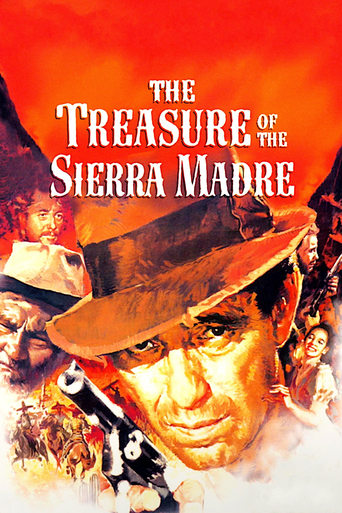
The Treasure of the Sierra Madre
Three men hunting gold; greed, moral corruption, and betrayal among partners in a harsh frontier landscape.
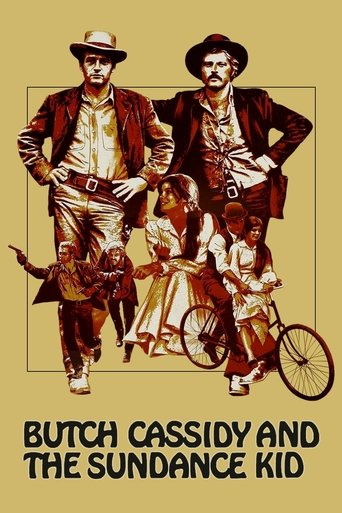
Butch Cassidy and the Sundance Kid
Classic outlaw Western from the same era; shootouts, outlaws on the run, and buddy moral ambiguity.
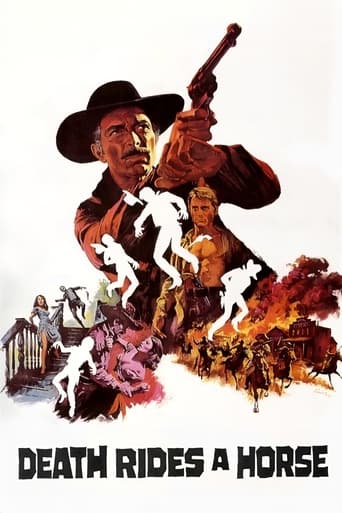
Death Rides a Horse
Lee Van Cleef and Luigi Pistilli in a revenge-driven spaghetti western with the same Italian Western pedigree.
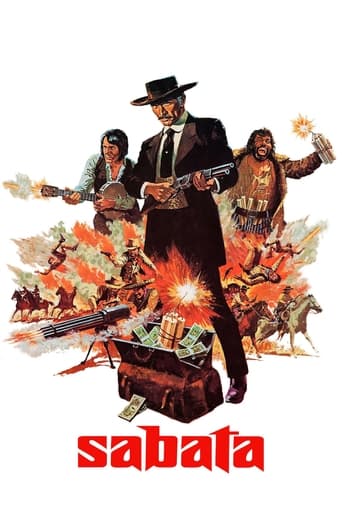
Sabata
Lee Van Cleef spaghetti western; master gunslinger vs corrupt establishment, same Italian Western style.
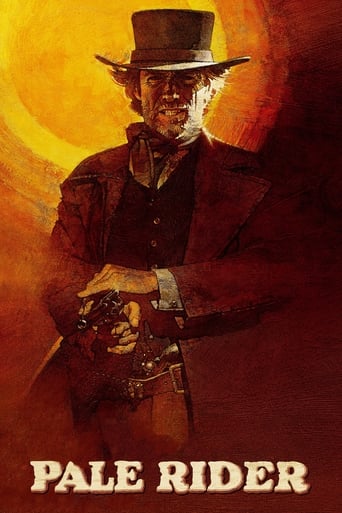
Pale Rider
Clint Eastwood directs and stars as a mysterious gunslinger protecting prospectors — spiritual heir to the Leone films.
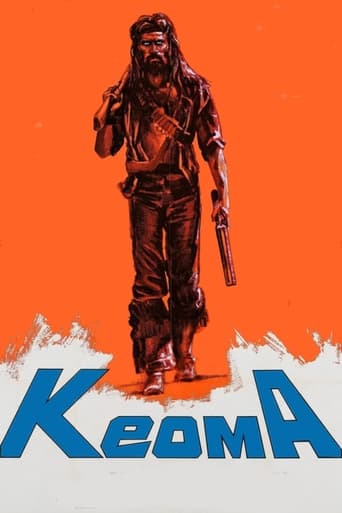
Keoma
Late-era spaghetti western with Civil War backdrop and moral complexity; shares GBU's post-war outlaw atmosphere.
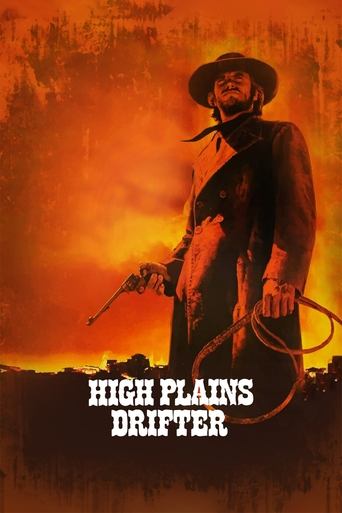
High Plains Drifter
Clint Eastwood directs/stars as an enigmatic, morally ambiguous gunslinger — direct thematic continuation of the Leone persona.
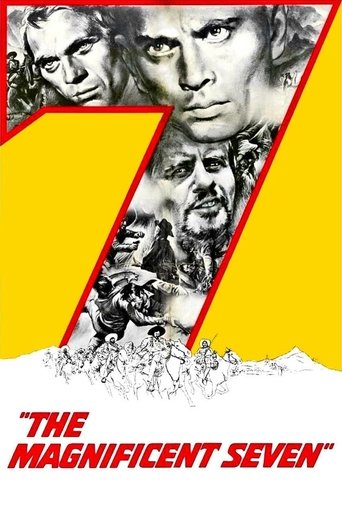
The Magnificent Seven
American remake of Seven Samurai; ensemble Western with moral complexity, outlaws, and gunfighter code of honour.
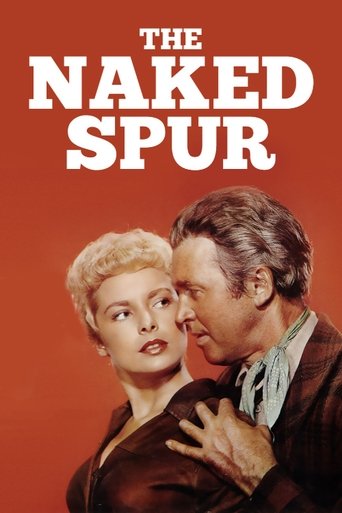
The Naked Spur
Bounty hunter, greed, and moral conflict among strangers in a Western — thematic overlap but different era and style.
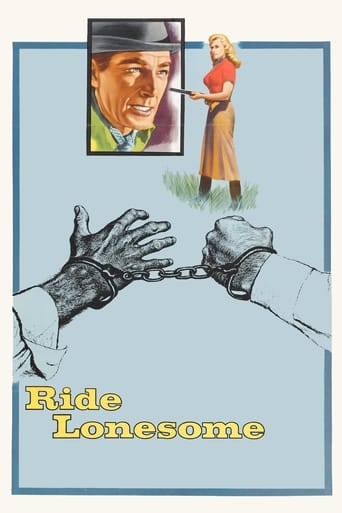
Ride Lonesome
Lee Van Cleef bounty hunter Western; competent B-Western with similar character types, lower intensity.
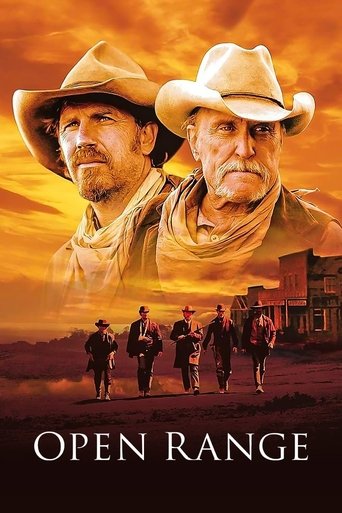
Open Range
Serious modern Western with gunslinger, shootout, and civil war veteran; shares GBU's tone but is a different generation.
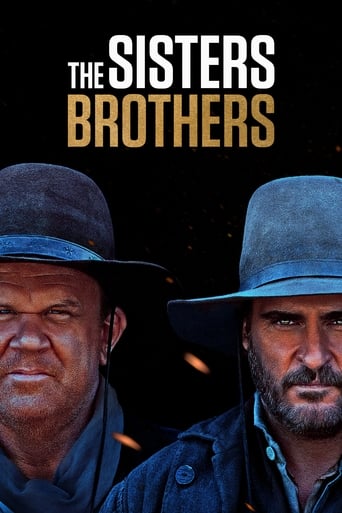
The Sisters Brothers
Contemporary Western with gold rush, hired killers, and moral ambiguity; echoes GBU themes in a fresh package.
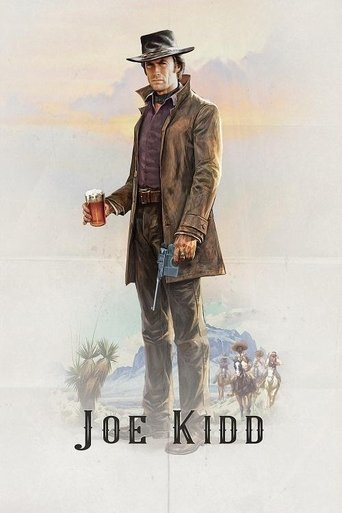
Joe Kidd
Clint Eastwood Western with gunfighter and land conflict; competent but lacks Leone's depth and operatic ambition.
How Good Is The Good, the Bad and the Ugly?
Ratings across IMDb, Rotten Tomatoes, Metacritic, and TMDB, plus our verdict.
Where to Watch The Good, the Bad and the Ugly
Streaming, rental, and purchase options across 40+ countries.
United States
USStream
5 fuboTV
 MGM+ Amazon Channel
 Philo
Philo MGM Plus Roku Premium Channel
 MGM Plus
Free with Ads
5 The Roku Channel
 Kanopy
 YouTube Free
 Fawesome
 Tubi TV
Rent
4 Amazon Video
 Apple TV Store
 Fandango At Home
 Spectrum On Demand
Buy
6Amazon VideoApple TV Store Amazon DVD / Blu-rayFandango At Home
 Barnes & Noble
 Zavvi
ZavviAvailable in 73 countries
Frequently asked about The Good, the Bad and the Ugly
Common questions people search for, with answers written by us at MoviesPack.
What is the famous line from The Good, the Bad and the Ugly?
One of the most quoted lines is Tuco's "When you have to shoot, shoot. Don't talk," delivered after he ambushes a bounty hunter in a bathtub. Another widely cited line is Blondie's "There are two kinds of people in the world, my friend: those with loaded guns, and those who dig. You dig."
Is The Good, the Bad, and Ugly worth watching?
The Good, the Bad and the Ugly is widely regarded as one of the greatest Westerns ever made, holding an 8.8 rating on IMDb and a place on its Top 250 list. It is praised for Sergio Leone's direction, Ennio Morricone's iconic score, and the climactic three-way standoff.
What country was The Good, the Bad and the Ugly filmed in?
The film was shot primarily in Spain, with locations in the Tabernas Desert of Almería and Burgos province standing in for the American Southwest. Some interior scenes were filmed at Cinecittà Studios in Rome, Italy.
Why does Blondie (the Good) cut the rope before the final standoff at Sad Hill Cemetery?
Blondie cuts Tuco's noose rope during the three-way duel so that Tuco cannot fire at him while he deals with Angel Eyes. Blondie had already secretly unloaded Tuco's gun the night before, so cutting the rope is a calculated move to eliminate a variable and ensure he faces only one armed opponent. It demonstrates Blondie's methodical thinking and his willingness to use Tuco as a pawn while keeping him alive as long as he is useful.
What is the significance of the name on the grave that holds the Confederate gold?
The gold is buried in a grave marked 'Arch Stanton,' but the real name — 'Unknown' — is on the adjacent grave where the gold actually lies. Blondie withholds the true grave name until the last possible moment as leverage over Tuco, who knows the cemetery but not the specific grave. This detail underscores the film's recurring theme that identities and labels are deceptive, and that truth is always one layer deeper than it appears.
Why does Angel Eyes (the Bad) pursue Blondie and Tuco rather than searching for the gold himself?
Angel Eyes learns from a dying soldier named Bill Carson that a Confederate officer named Jackson buried $200,000 in gold at Sad Hill Cemetery, but Carson dies before revealing the exact grave name. Blondie and Tuco also encounter Carson and learn complementary halves of the secret — Tuco gets the cemetery name, Blondie gets the grave name — making them the only people who together hold the complete information. Angel Eyes therefore needs to find and coerce them rather than act independently.
What happens to Tuco at the end, and why doesn't Blondie kill him?
Blondie takes his share of the gold, leaves Tuco's share on a grave, and rides off after shooting the rope that Tuco is balanced on — leaving him alive but stranded in the desert with his hands tied, standing on a grave marker. Blondie spares Tuco because their partnership, however mercenary, has a rough code: Blondie profits from turning Tuco in for bounties and rescuing him, not from killing him outright. The ending is both a punishment and a continuation of their dynamic — Tuco is humiliated and abandoned but not dead.
What does the recurring motif of eyes in close-up during standoffs symbolize?
Sergio Leone's extreme close-ups of characters' eyes during standoffs emphasize psychological tension over physical action, suggesting that a gunfight is won in the mind before the hand ever moves. The eyes convey calculation, fear, and resolve in a way that dialogue cannot, reinforcing Leone's belief that the Western genre is fundamentally about performance under pressure. The technique also deliberately delays cathartic action, making the audience feel the same suspended dread as the characters.
Recent Updates
New Trailer: The Good, the Bad and the Ugly
The Good, the Bad and the Ugly now streaming on Pathé Home (FR)
The Good, the Bad and the Ugly now streaming on Amazon Video (FR)
The Good, the Bad and the Ugly now streaming on Rakuten TV (FR)
The Good, the Bad and the Ugly now streaming on Orange VOD (FR)