Movies Like The Dark Knight
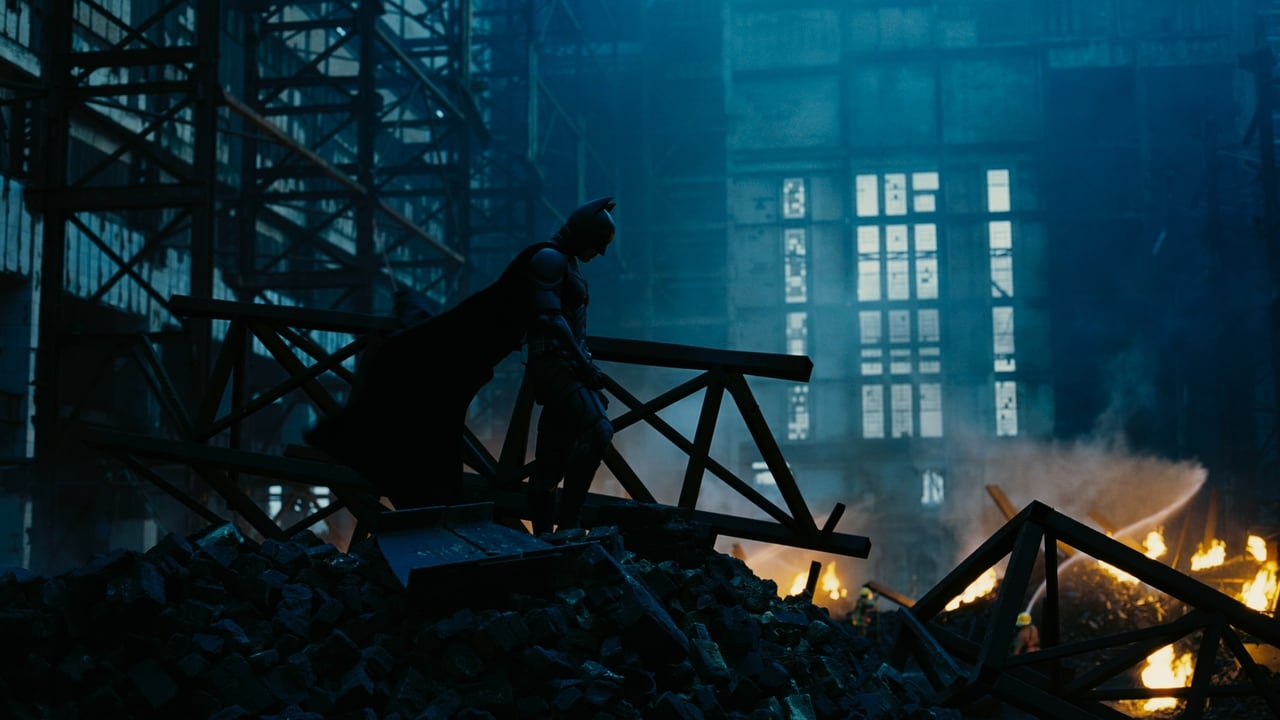
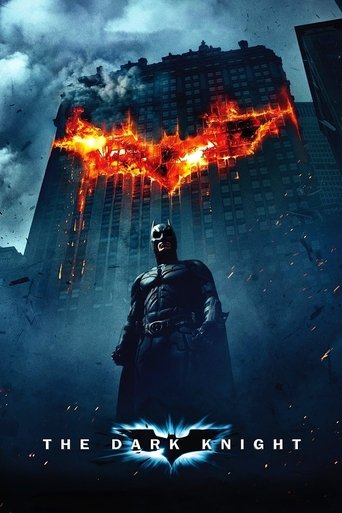
Batman raises the stakes in his war on crime. With the help of Lt. Jim Gordon and District Attorney Harvey Dent, Batman sets out to dismantle the remaining criminal organizations that plague the streets. The partnership proves to be effective, but they soon find themselves prey to a reign of chaos unleashed by a rising criminal mastermind known to the terrified citizens of Gotham as the Joker.
Ranked by shared directors, cast, themes, genre, and era — not just generic recommendations.
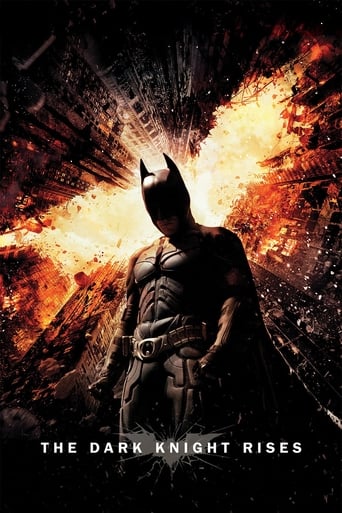
The Dark Knight Rises
Direct franchise sequel — same Nolan/Bale/Oldman team, same Gotham universe, concludes the trilogy.
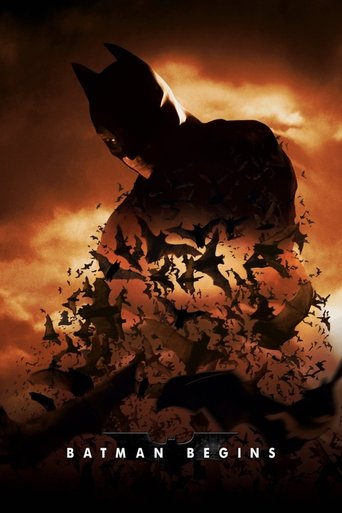
Batman Begins
Franchise origin — same director, cast, and grounded neo-noir Batman world that TDK builds on.

Inception
Nolan directing at peak ambition — same DP, intellectual high-concept, adult action thriller with moral weight.
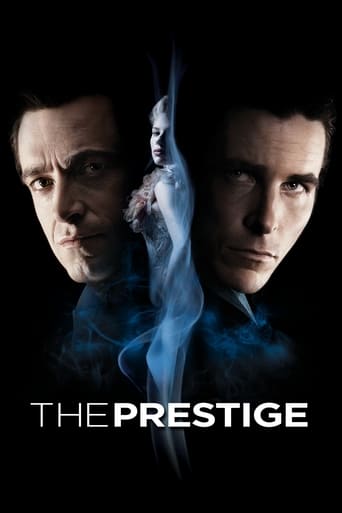
The Prestige
Nolan, Bale, Caine, same DP — obsessive rivalry between two equally matched opponents mirrors TDK's Batman/Joker dynamic.
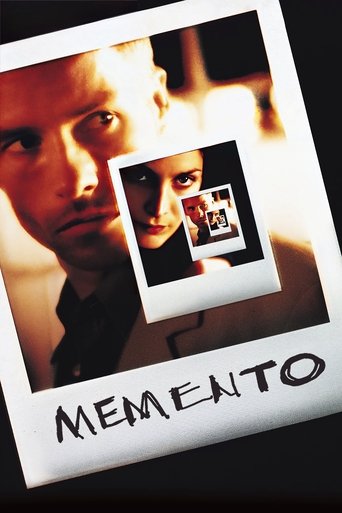
Memento
Nolan's neo-noir breakthrough — same DP, psychological intensity, morally complex protagonist in a crime world.
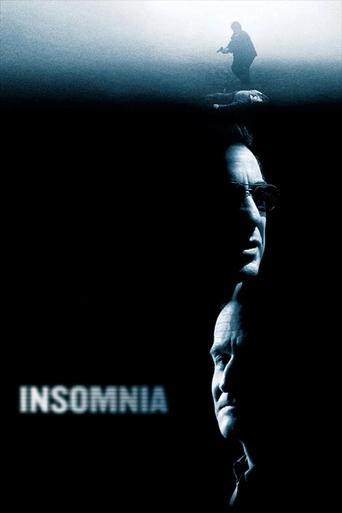
Insomnia
Nolan crime thriller — detective vs. cunning killer, moral compromise, same DP. Direct tonal sibling.
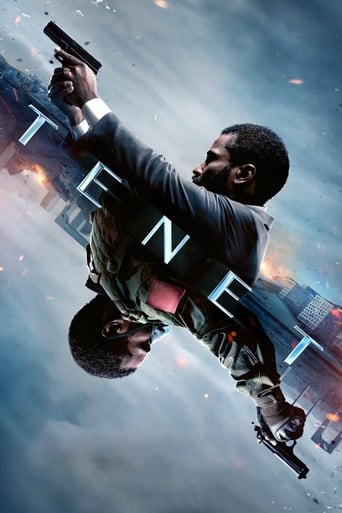
Tenet
Nolan action/thriller, Michael Caine cameo, large-scale set pieces, adult espionage premise.
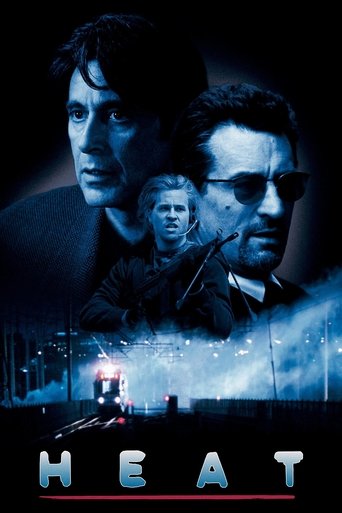
Heat
The closest spiritual predecessor — criminal mastermind vs obsessive detective, neo-noir, Nolan cited it as TDK inspiration.
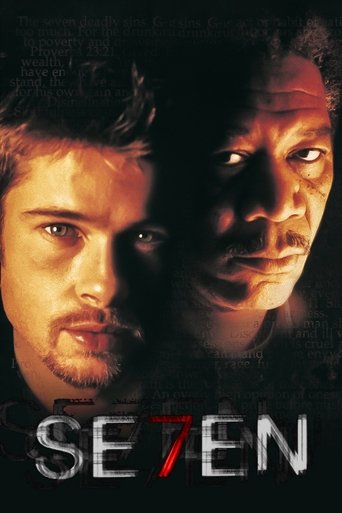
Se7en
Dark neo-noir crime thriller, philosophical villain with sadistic ideology, Morgan Freeman shared cast, adult audience.
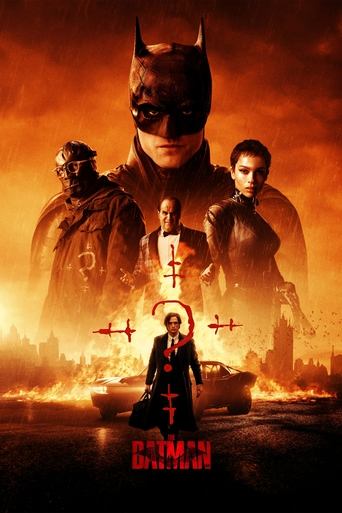
The Batman
Same Batman universe, grounded neo-noir crime/mystery tone, vigilante detective story for adult audiences.
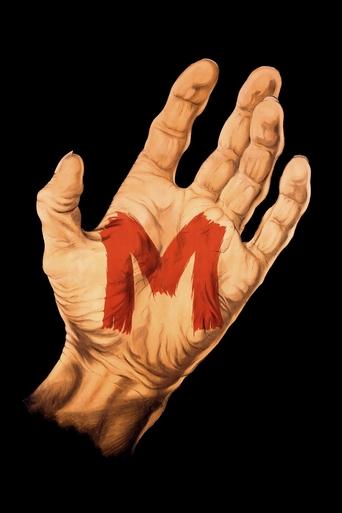
M
Foundational neo-noir — city terrorized by psychological criminal, organized crime involved, tone TDK directly echoes.
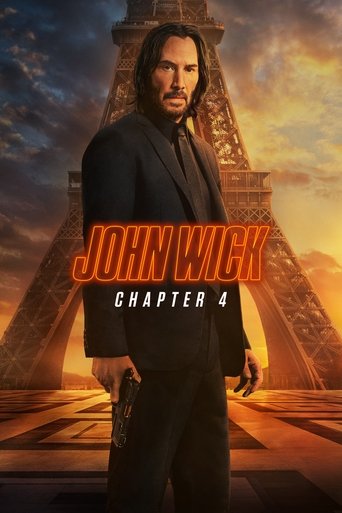
John Wick: Chapter 4
Neo-noir action/crime, organized crime hierarchy, relentless adult-audience thriller with stylish choreography.
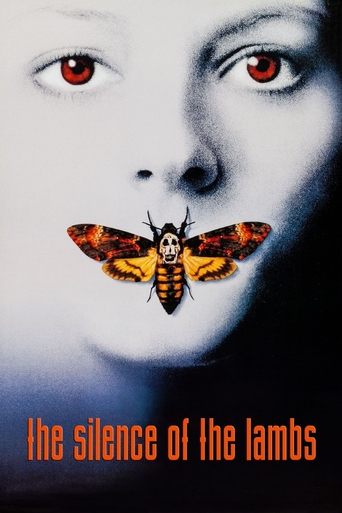
The Silence of the Lambs
Iconic crime thriller anchored by a philosophical, charismatic villain — the Hannibal/Joker parallel is exact.
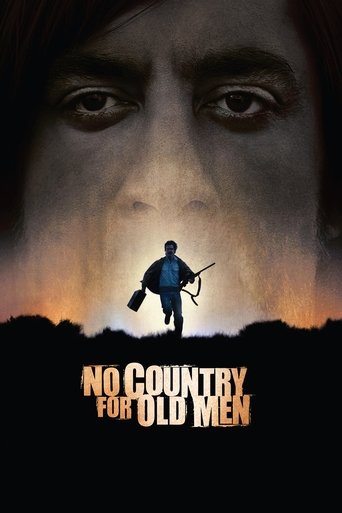
No Country for Old Men
Unstoppable villain embodying pure chaos and philosophy (Anton Chigurh/Joker parallel), neo-noir adult crime thriller.
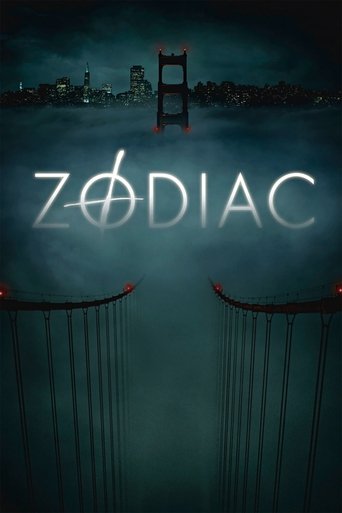
Zodiac
Fincher neo-noir crime investigation, city terrorized by an uncatchable killer, adult procedural tone matching TDK.
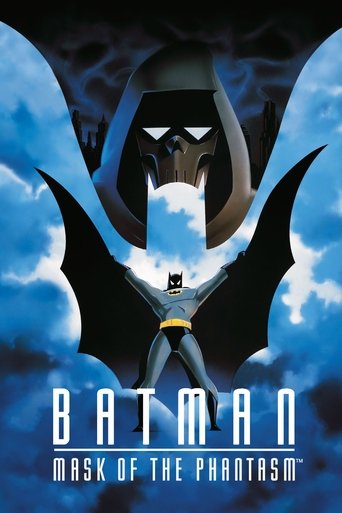
Batman: Mask of the Phantasm
Batman, organized crime, neo-noir tone — adult animated film that's the closest animation gets to TDK's darkness.
Batman
Same Batman/Joker dynamic in a stylized crime setting — different aesthetic but direct genre and character ancestor.
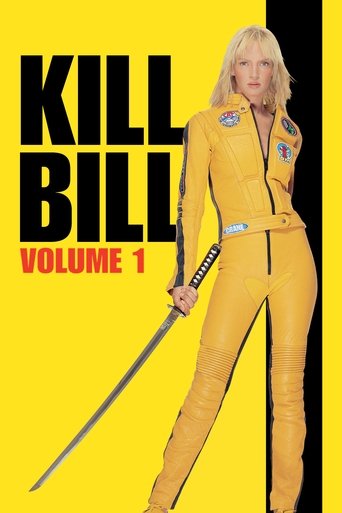
Kill Bill: Vol. 1
Adult action/crime, vigilante revenge narrative, stylized but serious tone — same Crime & Action shelf.
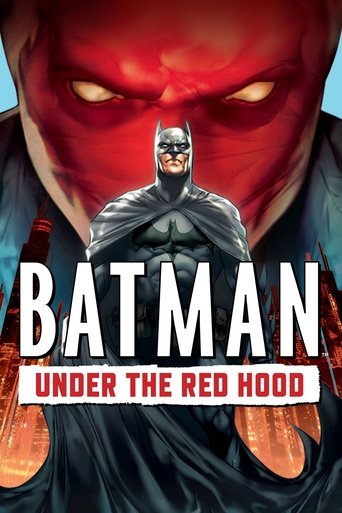
Batman: Under the Red Hood
Batman, vigilante vs. organized crime, morally complex anti-hero — animated but thematically close to TDK.
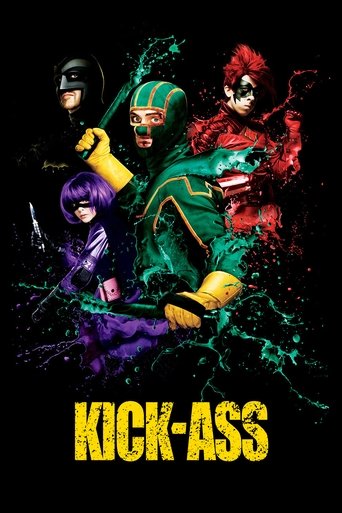
Kick-Ass
Adult comic-book deconstruction, crime fighter without powers, dark comedy tone — shares TDK's realism angle from a lighter direction.
How Good Is The Dark Knight?
Ratings across IMDb, Rotten Tomatoes, Metacritic, and TMDB, plus our verdict.
Where to Watch The Dark Knight
Streaming, rental, and purchase options across 40+ countries.
United States
USStream
6 HBO Max Amazon Channel
 YouTube TV
 TNT
TNT TBS
TBS tru TV
 HBO Max
Rent
3 Amazon Video
 Apple TV Store
 Fandango At Home
Buy
5 Amazon DVD / Blu-rayAmazon VideoApple TV StoreFandango At Home
 Barnes & Noble
Available in 108 countries
Frequently asked about The Dark Knight
Common questions people search for, with answers written by us at MoviesPack.
Why is The Dark Knight such a good movie?
The film is widely praised for Heath Ledger's Oscar-winning performance as the Joker, Christopher Nolan's grounded direction, and a screenplay that treats a comic-book story as a serious crime thriller about escalation, moral compromise, and chaos versus order. Its IMAX cinematography, Hans Zimmer and James Newton Howard's score, and intricate set pieces such as the bank heist opening and the truck flip in downtown Chicago also helped elevate it above typical superhero fare.
Was The Dark Knight a hit or flop?
It was a major hit, grossing over one billion dollars worldwide on a production budget of around 185 million and becoming the highest-grossing film of 2008. It also drew strong critical acclaim and earned eight Academy Award nominations, winning two including Best Supporting Actor for Heath Ledger.
Did Heath Ledger finish The Dark Knight movie?
Heath Ledger completed all of his scenes as the Joker before his death in January 2008, roughly six months before the film's July 2008 release. His passing occurred during post-production while he was working on a separate project, The Imaginarium of Doctor Parnassus.
Why are there only three Dark Knight movies?
Christopher Nolan conceived the Batman films as a self-contained trilogy with a definitive arc for Bruce Wayne, concluding the story in 2012's The Dark Knight Rises. Nolan, Christian Bale, and the creative team declined to continue beyond that planned three-film structure, and Warner Bros. later rebooted the character within the broader DC Extended Universe.
Why does the Joker give different origin stories for his scars?
The Joker offers two contradictory explanations — one involving an abusive father, another where he mutilated himself to match a wife who'd been disfigured — and neither is presented as the truth. This is deliberate: Nolan and Heath Ledger constructed the character as someone without a stable identity or coherent backstory, making him more threatening and unknowable. The shifting stories are a manipulation tactic, designed to create intimacy with whoever he's targeting at that moment.
Why does Batman take the blame for Harvey Dent's murders at the end?
Batman and Gordon agree to cover up Harvey Dent's crimes as Two-Face to protect the Dent Act — a package of legislation built on Dent's reputation as Gotham's 'White Knight' that allowed hundreds of criminals to be imprisoned. If the truth came out that Dent went on a murderous rampage, those convictions could unravel and organized crime would resurge. Batman accepts the role of villain so Gotham can keep its symbol of legitimate justice.
What is the significance of the Joker's 'social experiment' on the two ferries?
The Joker rigs two ferries with explosives — one carrying civilians, one carrying prisoners — and gives each group the detonator for the other boat, framing it as a prisoner's dilemma where one must destroy the other by midnight or both blow up. It is his attempt to prove that people abandon morality under existential pressure, validating his nihilistic worldview. Both boats refuse to detonate, which represents a direct defeat for the Joker's thesis and is one of Batman's few unambiguous moral victories in the film.
What drove Harvey Dent to become Two-Face?
Harvey Dent becomes Two-Face primarily because of grief and a collapse of his belief in justice. The Joker engineers the death of Rachel Dawes — the woman Dent loved — by manipulating Batman into rescuing Dent instead of her, and telling Harvey it was Jim Gordon's corrupt unit that gave up her location. Scarred physically and psychologically, Dent redirects his prosecutorial obsession with justice into a coin-flip fatalism, targeting those he holds responsible for Rachel's death.
Why does the Joker not take the stolen mob money for himself?
The Joker burns his half of the mob's money after his heist and repeatedly demonstrates no interest in personal wealth. He frames this explicitly in his 'I'm a dog chasing cars' speech — he is not motivated by money, power, or a concrete goal, but by a desire to expose the fragility of civilized order. The money is only ever a tool to buy access to the chaos he wants to create, and keeping it would contradict his stated philosophy that he is an 'agent of chaos' rather than a schemer.
Recent Updates
New Trailer: 3rd Rock from the Sun
New Trailer: The Dark Knight
The Dark Knight now streaming on Sooner (FR)
The Dark Knight now streaming on ARTE Boutique (FR)
The Dark Knight now streaming on Pathé Home (FR)