Movies Like Mirror
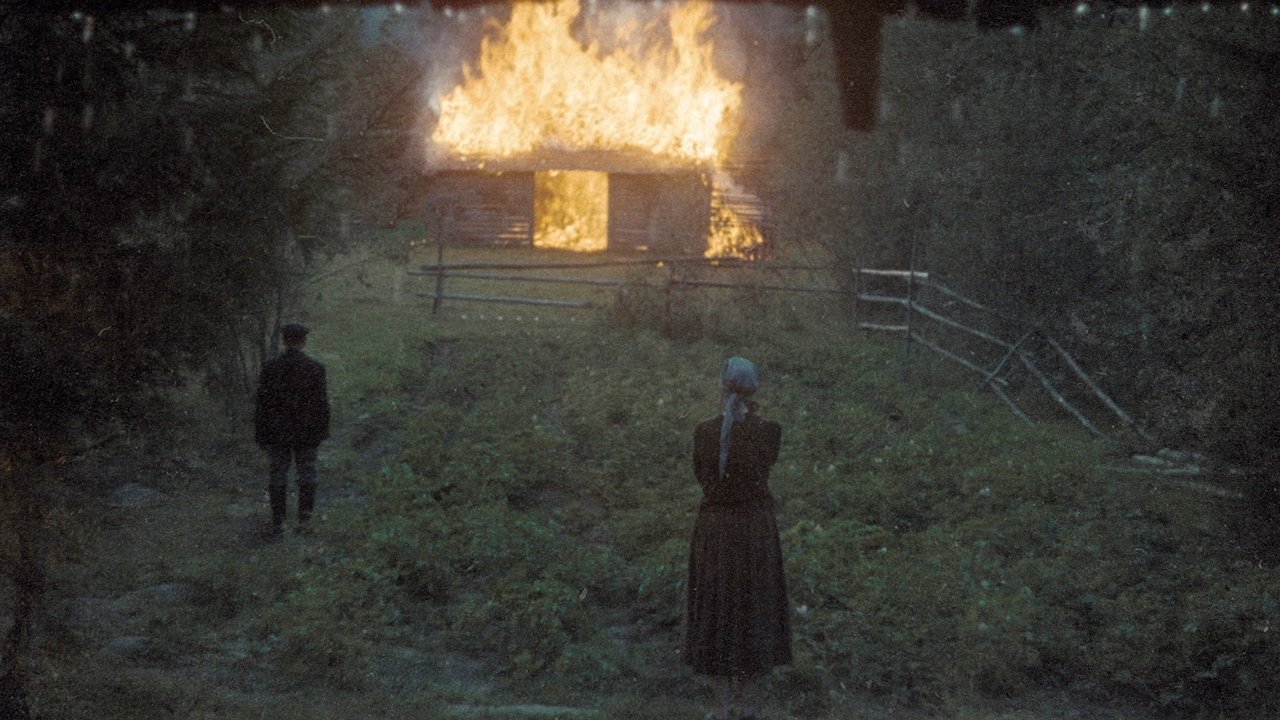
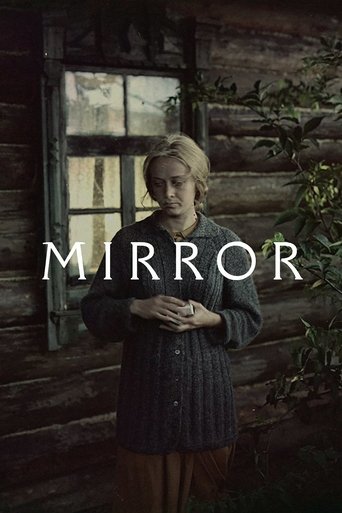
A dying man in his forties recalls his childhood, his mother, the war and personal moments that tell of and juxtapose pivotal moments in Soviet history with daily life.
Ranked by shared directors, cast, themes, genre, and era — not just generic recommendations.
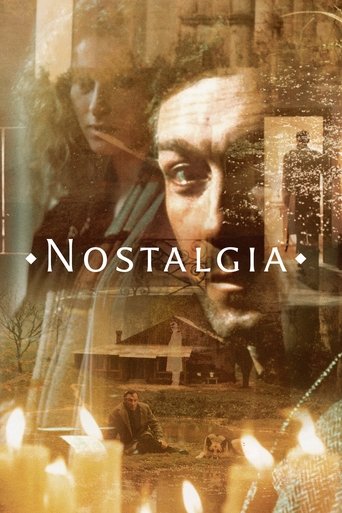
Nostalgia
Tarkovsky director; same dreamy meditation on memory, homeland, and longing — spiritual twin to Mirror.
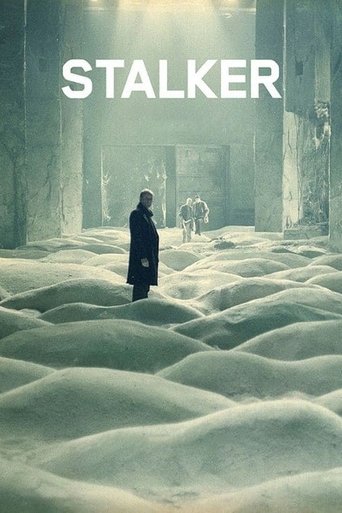
Stalker
Tarkovsky director; same hypnotic long-take visual poetry, existential atmosphere, and metaphysical searching.
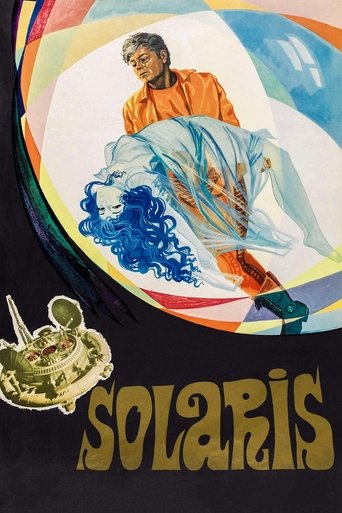
Solaris
Tarkovsky director; haunting meditation on memory and loss, same contemplative pace and philosophical depth.
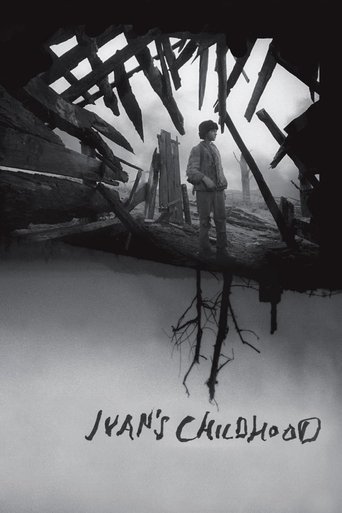
Ivan's Childhood
Tarkovsky's debut; shares dream sequences, WWII backdrop, childhood memory, and lyrical black-and-white imagery.
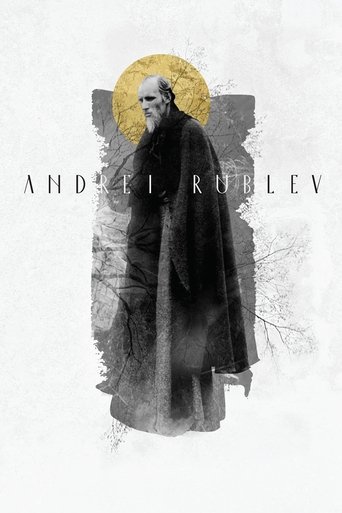
Andrei Rublev
Tarkovsky director; same meditative episodic structure exploring Russian history and the role of the artist.
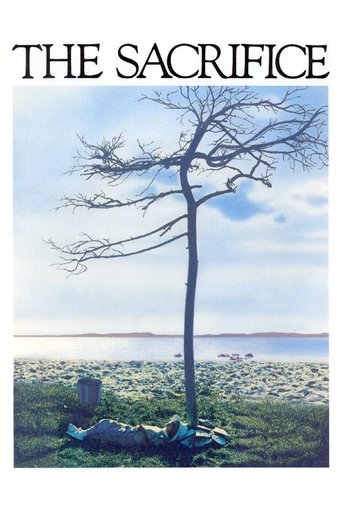
The Sacrifice
Tarkovsky's final film; same slow-cinema spirituality, memory, and mortality — direct companion to Mirror.
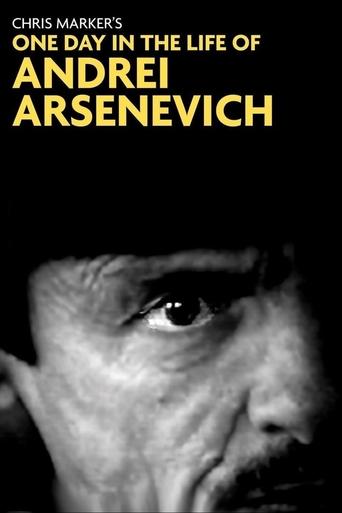
One Day in the Life of Andrei Arsenevich
Documentary portrait of Tarkovsky; features Mirror's cast and clips — essential companion piece for fans.

Wild Strawberries
Bergman; dying man relives memories and dreams — structurally and emotionally the closest formal peer to Mirror.
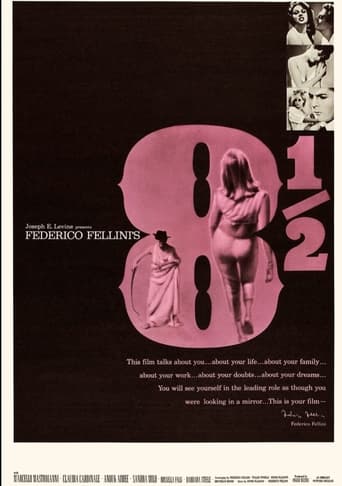
8½
Fellini; autobiographical non-linear dreamscape of a director's memories and fantasies — closest formal cousin.
Hiroshima Mon Amour
Resnais; fractured WWII memory and poetic avant-garde structure — foundational peer to Mirror's cinematic form.
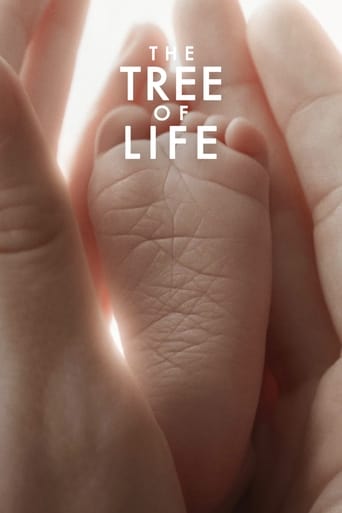
The Tree of Life
Malick; non-linear lyrical childhood memoir with voiceover poetry — the closest modern heir to Mirror's aesthetic.
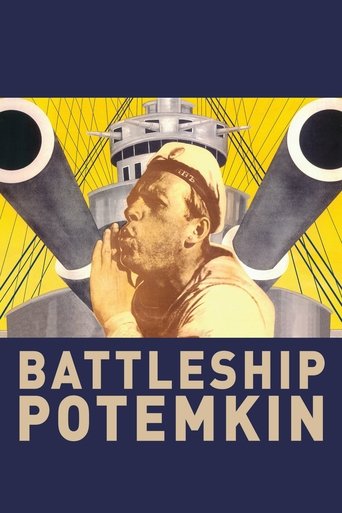
Battleship Potemkin
Eisenstein Soviet montage cinema; Russian historical landmark sharing Mirror's canon and political consciousness.
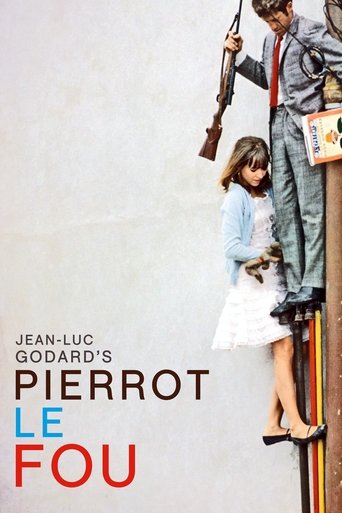
Pierrot le Fou
Godard New Wave; fragmented narrative, self-aware art cinema, poetic sensibility — adjacent artistic movement.

Past Lives
Shares nostalgia, childhood memory, and longing for unlived lives — emotionally adjacent to Mirror's core themes.

The Death of Stalin
Soviet history and political life; adjacent via Russian/Soviet cultural backdrop, though satirical in tone.
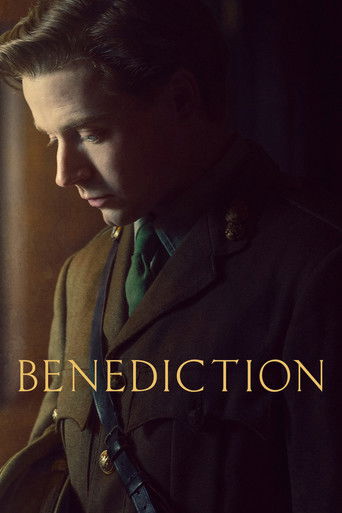
Benediction
War poet's life as fragmented memory; shares Mirror's poetry theme and pacifist anti-war introspection.
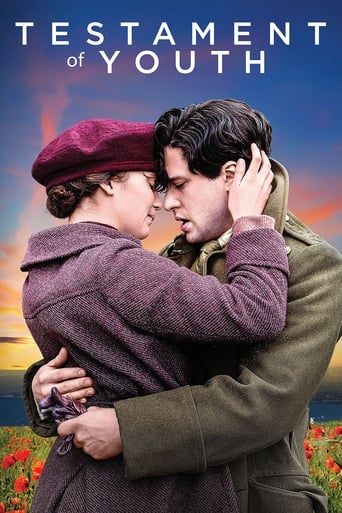
Testament of Youth
WWI memoir, poetry, personal loss in wartime — cousin via war+poetry+memoir overlap, though more conventional.

Dead Poets Society
Poetry as lens on life and memory; shares reverence for verse and the weight of unlived choices.
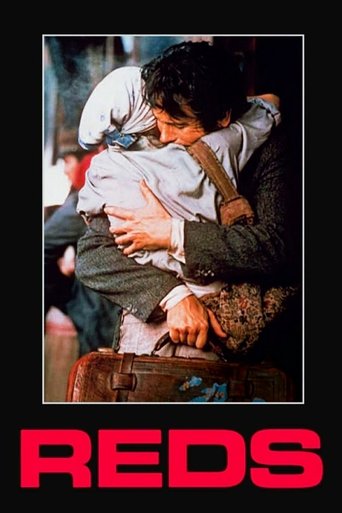
Reds
Russian revolution and Soviet history rendered as personal testimony — cousin via Russian historical themes.
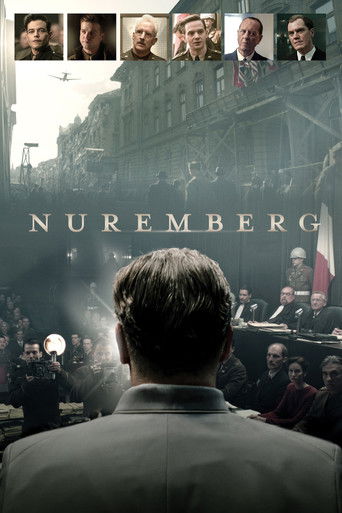
Nuremberg
Post-WWII European moral reckoning; shares the historical aftermath that frames Mirror's newsreel passages.
How Good Is Mirror?
Ratings across IMDb, Rotten Tomatoes, Metacritic, and TMDB, plus our verdict.
Critics rate this 2.0 points higher than audiences — more appreciated by reviewers than general viewers.
Where to Watch Mirror
Streaming, rental, and purchase options across 40+ countries.
United States
USFree with Ads
2 Plex Player
 Plex Channel
Rent
3 Amazon Video
 Apple TV Store
 Fandango At Home
Buy
5Amazon VideoApple TV StoreFandango At Home Barnes & Noble
 Amazon DVD / Blu-ray
Available in 48 countries
Frequently asked about Mirror
Common questions people search for, with answers written by us at MoviesPack.
Is mirror 1975 worth watching?
Mirror (1975) holds a TMDB rating of 7.9 and is widely regarded as one of Andrei Tarkovsky's most influential works. At 107 minutes, it is a non-linear, poetic drama that rewards patient viewers interested in art cinema rather than conventional storytelling.
Is mirror based on a true story?
Mirror is heavily autobiographical, drawing on Andrei Tarkovsky's own childhood memories, his relationship with his mother, and his family's experiences during World War II in the Soviet Union. It also incorporates poems written and read aloud by his father, Arseny Tarkovsky.
Why is mirror considered a masterpiece?
Mirror is considered a masterpiece for its innovative non-linear structure, which weaves memory, dream, and newsreel footage into a single poetic stream. Critics praise its imagery, its meditation on time and personal history, and its juxtaposition of intimate family moments with pivotal Soviet historical events.
Why does the same actress play both the narrator's mother and his wife in Mirror?
Margarita Terekhova plays both Maria (the mother in the past) and Natalia (the wife in the present) to externalize the narrator Alexei's psychological conflation of the two women. Tarkovsky uses the double casting to show that Alexei has unconsciously chosen a wife who mirrors his absent, wounded mother, and that his failures as a husband repeat his father's abandonment. It collapses memory and present life into a single emotional image, which is the film's central structural idea.
What is happening in the opening scene with the stuttering boy and the speech therapist?
A teenage boy is hypnotized by a therapist who commands him to speak freely, and he finally pronounces the words "I can speak" without stuttering. This prologue is a thematic key to the whole film: Mirror is itself an act of unblocking suppressed speech, where Tarkovsky/Alexei finally gives voice to childhood memories, guilt about his mother, and unresolved feelings about his father. The cured stutter stands in for the artist breaking through his own emotional paralysis.
Why does Maria run to the printing house in a panic in one of the early sequences?
Maria, a wartime proofreader, suddenly fears she has let a catastrophic typographical error slip through into a Stalin-era publication — a mistake that under Stalin could mean arrest or execution. She races through the rain to recheck the proofs and finds the text is clean, then breaks down in the shower from delayed terror. The scene compresses the everyday political dread of late-1930s Soviet life into a single domestic memory.
Who is the dying narrator we hear but never clearly see, and whose memories are we watching?
The off-screen voice belongs to Alexei, a middle-aged man on his deathbed, and the entire film is the stream of images flooding his mind as he dies. We only glimpse him as a hand, a silhouette, or hear his breathing, because the film is shot from inside his consciousness rather than about him. Childhood at the dacha, wartime evacuation, his failed marriage, and newsreel footage are all fragments his memory pulls up without chronological order.
What do the recurring documentary newsreels — Spanish Civil War, Soviet balloon, river crossing, atomic cloud — mean in Mirror?
Tarkovsky inserts real archival footage so that Alexei's private memories are inseparable from twentieth-century history: his mother's fear, his father's absence, and his own childhood are all shaped by war, terror, and ideology. The Soviet soldiers wading across Lake Sivash, in particular, is presented as a kind of collective Calvary that echoes the personal suffering in the family scenes. Personal memory and national memory are deliberately fused into one continuous emotional inheritance.
Recent Updates
New Trailer: Breaking Bad
New Trailer: Mirror
Mirror now streaming on Plex Channel (FR)
Mirror now streaming on Plex (FR)
Mirror now streaming on Plex Channel (DE)