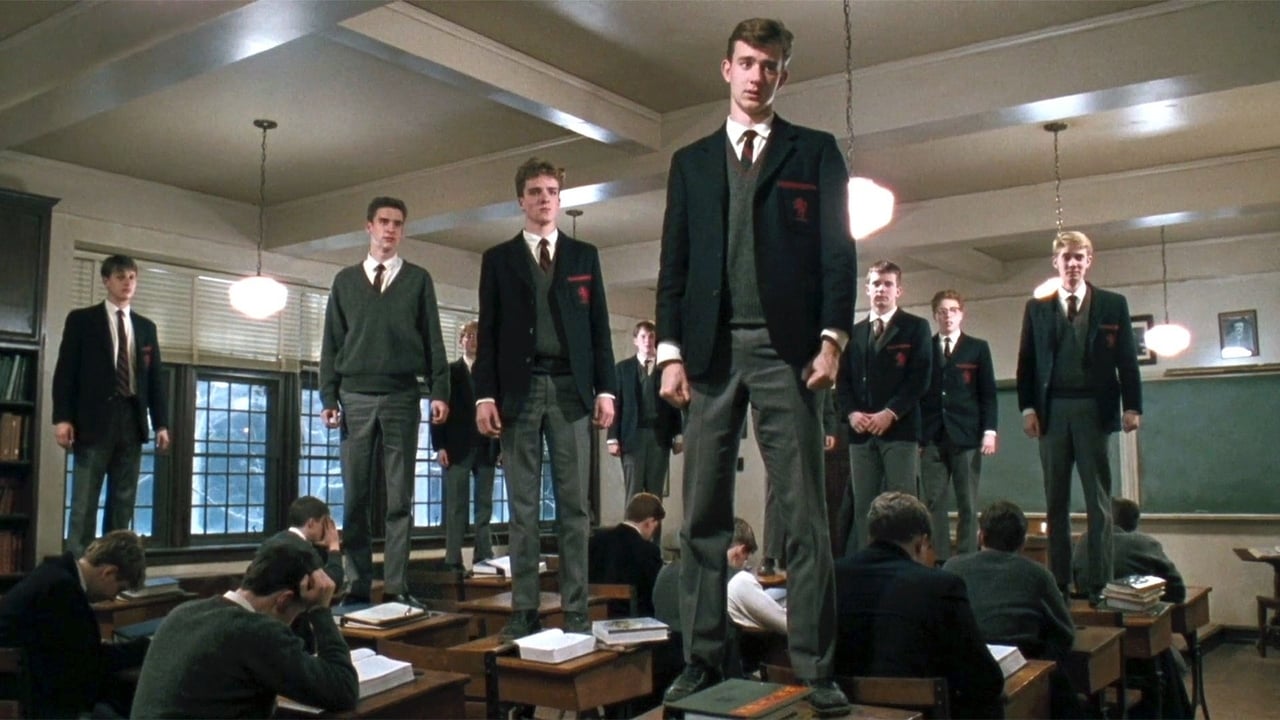

Movies Like Dead Poets Society
At an elite, old-fashioned boarding school in New England, a passionate English teacher inspires his students to rebel against convention and seize the potential of every day, courting the disdain of the stern headmaster.
Ranked by shared directors, cast, themes, genre, and era — not just generic recommendations.
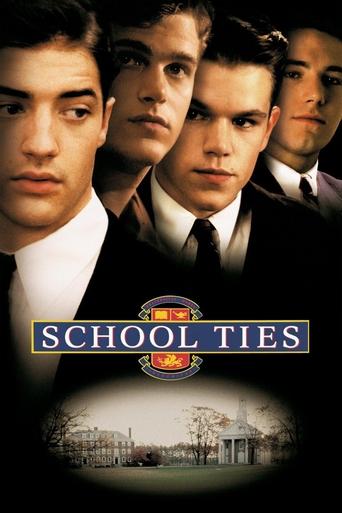
School Ties
1950s New England preparatory school coming-of-age drama — nearly identical setting and themes
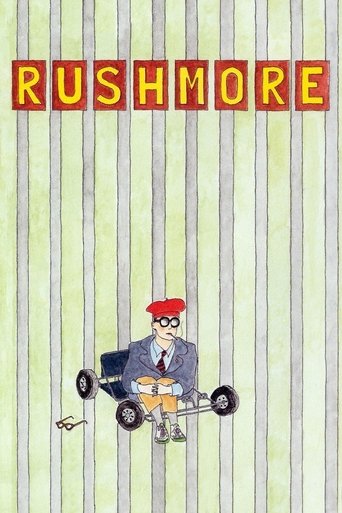
Rushmore
Private school coming-of-age with theater, eccentric mentor figure, and precocious teen
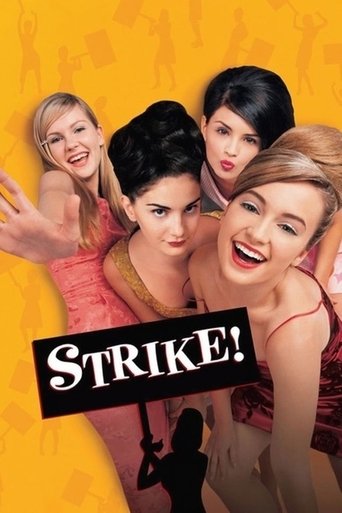
Strike!
New England prep school coming-of-age comedy-drama with rebellious students

World's Greatest Dad
Robin Williams as a teacher dealing with poetry, students, and tragedy at a school
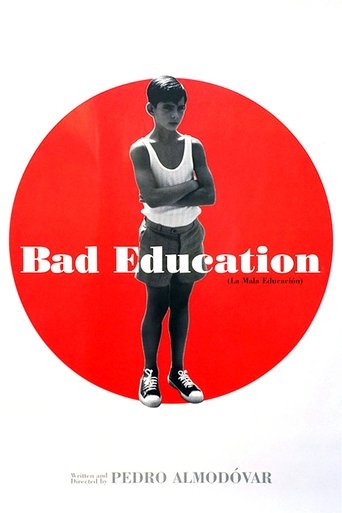
Bad Education
Boarding school memories, teachers and students, formative adolescence
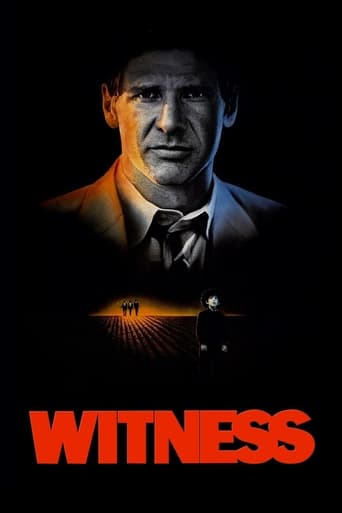
Witness
Peter Weir directing — same thoughtful, reflective tone and humanistic gaze
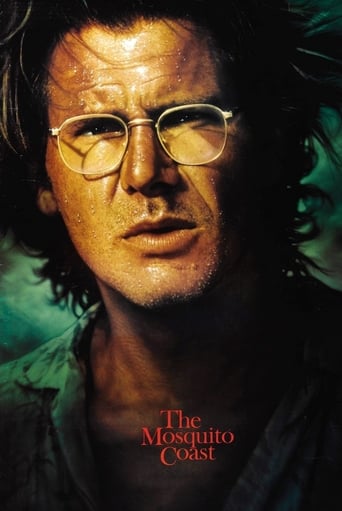
The Mosquito Coast
Peter Weir film about an idealist whose convictions inspire and endanger those around him

Chemical Hearts
High school coming-of-age centered on poetry, young love, and loss
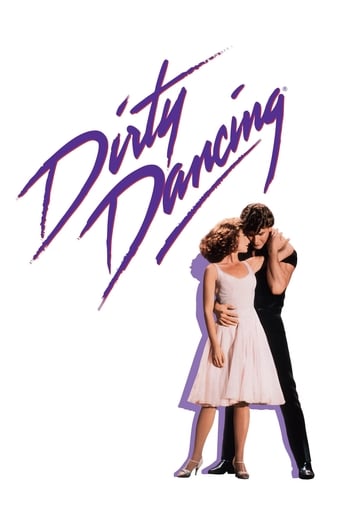
Dirty Dancing
Late-80s coming-of-age in a regimented setting where a young person finds their voice
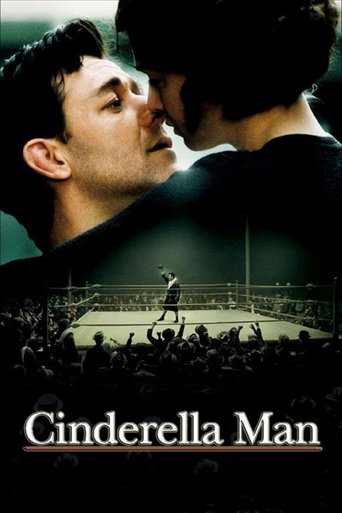
Cinderella Man
Inspirational period drama with strong emotional uplift and 'seize the day' spirit
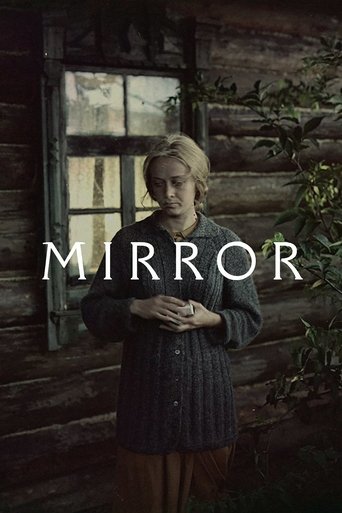
Mirror
Poetic, somber meditation on memory, youth, and literature
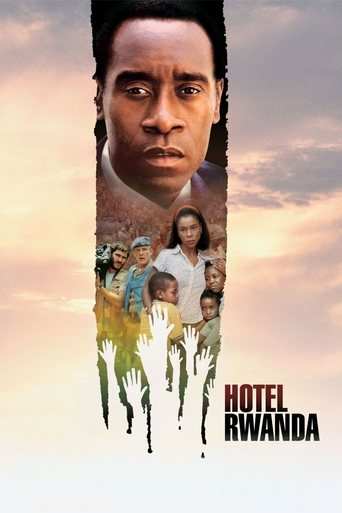
Hotel Rwanda
Humanist drama about moral conviction and standing against authority
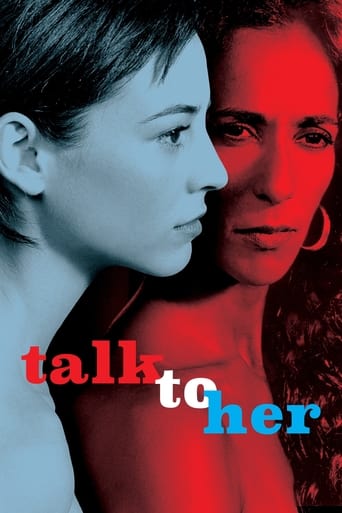
Talk to Her
Tender drama about male friendship, devotion, and the cost of unconventional choices
How Good Is Dead Poets Society?
Ratings across IMDb, Rotten Tomatoes, Metacritic, and TMDB, plus our verdict.
Where to Watch Dead Poets Society
Streaming, rental, and purchase options across 40+ countries.
United States
USRent
3 Amazon Video
 Apple TV Store
 Fandango At Home
Buy
5Amazon VideoApple TV StoreFandango At Home Amazon DVD / Blu-ray
 Barnes & Noble
Available in 77 countries
Frequently asked about Dead Poets Society
Common questions people search for, with answers written by us at MoviesPack.
What was the original Dead Poets Society and why did the boys re-form it?
The Dead Poets Society was a secret literary club that John Keating himself attended as a student at Welton Academy years earlier. The boys discover this when they find an old school annual and ask Keating about it; he describes how members would sneak out to a cave in the woods to read poetry, tell stories, and embrace life. Inspired by Keating's philosophy of carpe diem, Neil, Todd, and their friends re-form the club as a way to pursue passion and free thought outside the suffocating conformity of Welton's rigid curriculum.
Why does Neil Perry take his own life at the end?
Neil has discovered a genuine passion for acting after landing the lead role in A Midsummer Night's Dream, but his domineering father refuses to allow him to pursue it, insisting he follow the path to Harvard and medicine. When his father pulls him out of school that same night after the performance, Neil sees no future in which his authentic self is allowed to exist — his father will not listen and treats his passion as childish rebellion. Feeling utterly trapped and unable to imagine decades of a life dictated entirely by his father, Neil shoots himself with his father's gun in the early hours of the morning.
Why do the boys sign the document blaming Keating for Neil's death?
Welton's headmaster Nolan needs a scapegoat to protect the school's reputation and deflect blame from the institution and from Neil's father. He pressures the boys individually, making clear that signing the document — which falsely accuses Keating of using undue influence and promoting dangerous ideas — is the price of staying enrolled at Welton. Charlie Dalton's immediate expulsion for refusing to sign demonstrates the cost of resistance, and the remaining boys, including Todd, sign under duress rather than sacrifice their own futures.
What does Todd Anderson's final act of standing on the desk symbolize?
Standing on the desk is the gesture Keating introduced earlier in the film to encourage students to look at the world from a new vantage point and challenge comfortable assumptions. When Todd climbs onto his desk and calls out 'O Captain! My Captain!' despite Nolan's direct orders, he is publicly declaring that the forced confession will not be the final word between him and Keating. Other boys follow one by one, signifying that even though the institution has won the immediate battle, Keating's core lesson — to think for yourself and seize the day — has taken root in them permanently.
Why does Keating specifically choose the poem 'O Captain! My Captain!' and ask the boys to call him that?
Walt Whitman's poem is an elegy written after the assassination of Abraham Lincoln, mourning a leader who guided his people through hardship but did not live to see safe harbor. Keating's choice of that title is partly a playful rejection of stuffy academic formality, but it is also thematically loaded: like Lincoln in Whitman's poem, Keating is a figure who inspires those he leads only to be brought down before the journey is complete. The boys' final use of the salute as Keating is dismissed from Welton mirrors the poem's mixture of admiration, grief, and the conviction that the captain's work mattered even in defeat.
Recent Updates
New Trailer: Dead Poets Society
Dead Poets Society now streaming on Pathé Home (FR)
Dead Poets Society now streaming on Premiere Max (FR)
Dead Poets Society now streaming on VIVA by videofutur (FR)
Dead Poets Society now streaming on Amazon Video (FR)