
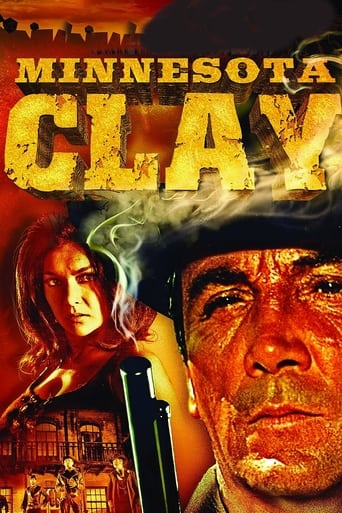
Movies Like Minnesota Clay
Wrongfully imprisoned for a crime he didn't commit, Minnesota Clay seeks revenge on the man who withheld evidence at his trial. There is a problem however, he is going blind.
Ranked by shared directors, cast, themes, genre, and era — not just generic recommendations.
Django

The Big Gundown
The Return of Ringo
The Mercenary
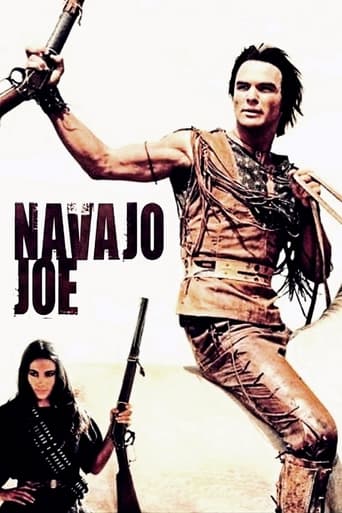
Navajo Joe
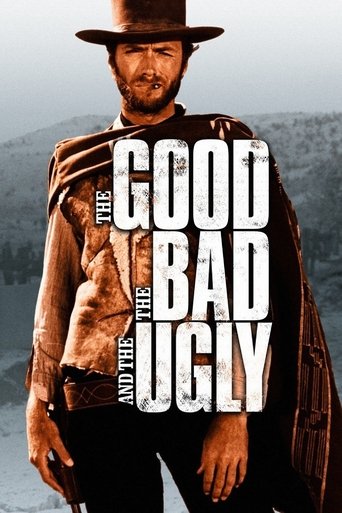
The Good, the Bad and the Ugly
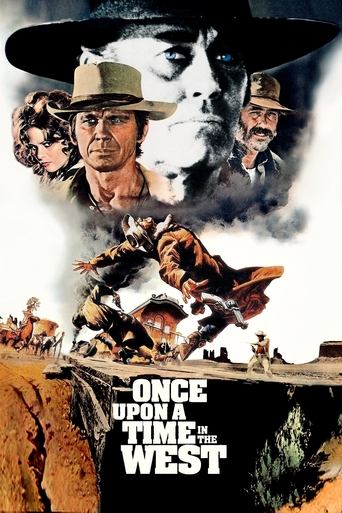
Once Upon a Time in the West
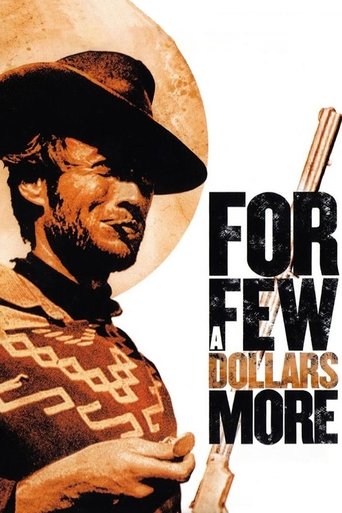
For a Few Dollars More
A Fistful of Dollars
Open Range
Keoma

Django Undisputed
Blindman
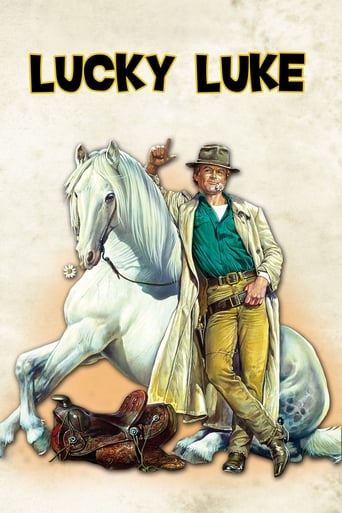
Lucky Luke

The Fighting Fists of Shanghai Joe
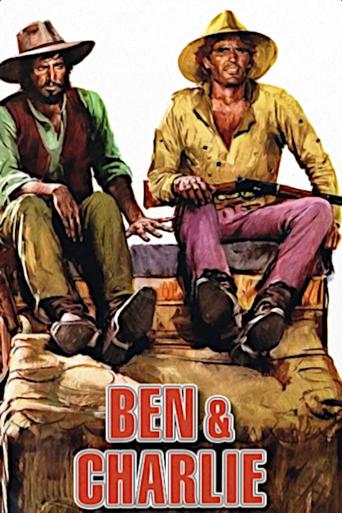
Ben & Charlie
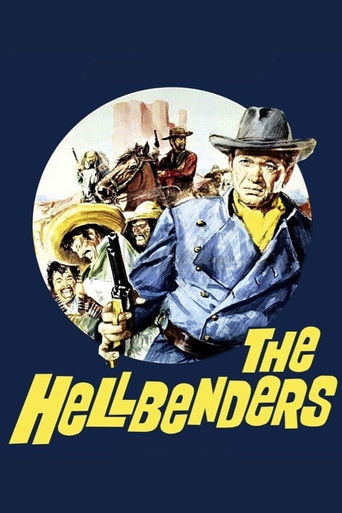
The Hellbenders
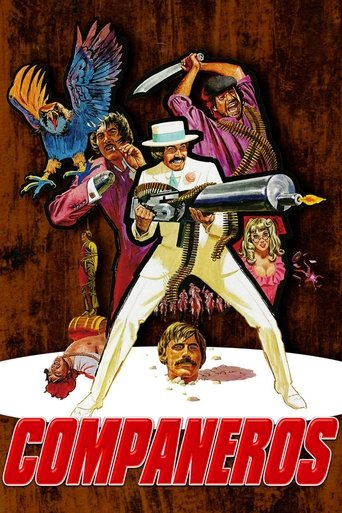
Compañeros
The Specialists

The Story of Romance and Knife
How Good Is Minnesota Clay?
Ratings across IMDb, Rotten Tomatoes, Metacritic, and TMDB, plus our verdict.
Where to Watch Minnesota Clay
Streaming, rental, and purchase options across 40+ countries.
United States
USStream
6 Philo
Philo YouTube TV
 Fandor Amazon Channel
 Midnight Pulp
 Midnight Pulp Amazon Channel
 Cineverse Amazon Channel
Free with Ads
8 Free Movies Plus
 The Roku Channel
 Hoopla
 Fandango at Home Free
 FlixHouse
 Fawesome
 Xumo Play
 Tubi TV
Rent
2 Amazon Video
 Fandango At Home
Buy
3Amazon VideoFandango At Home Amazon DVD / Blu-ray
Available in 48 countries
Frequently asked about Minnesota Clay
Common questions people search for, with answers written by us at MoviesPack.
Is Minnesota Clay a good movie?
Minnesota Clay holds a TMDB rating of 6/10, placing it in the middling tier of 1960s Spaghetti Westerns. It is often noted as one of Sergio Corbucci's earlier genre efforts before his more celebrated works like Django and The Great Silence, and its central hook of a gunfighter going blind gives it a distinctive premise.
Where was Minnesota Clay filmed?
Minnesota Clay was shot primarily in Spain, with location work in the Almería region that became standard for Spaghetti Westerns. Interior scenes were filmed at studios in Rome, reflecting the Italian-Spanish-French co-production behind the picture.
Are there any movies filmed in Minnesota?
Yes, numerous films have been shot in Minnesota, including Fargo (1996), Grumpy Old Men (1993), Purple Rain (1984), Juno (2007), and A Simple Plan (1998). The state's Twin Cities, lakes, and rural landscapes have served productions across many genres.
Why does Minnesota Clay break out of prison at the start of the film?
Minnesota Clay escapes from a labor prison camp because he is determined to clear his name — he was framed for a crime he did not commit. His immediate goal upon escaping is to return to the town he was driven out of and confront the men responsible for his wrongful conviction. He is also driven by a desire to protect his daughter, whom he has not seen since his imprisonment.
What is the significance of Minnesota Clay's deteriorating eyesight throughout the film?
Clay is slowly going blind, a condition that functions as both a literal and symbolic burden: the gunfighter famous for his deadly accuracy is being robbed of the very faculty that made him dangerous. Rather than reveal his weakness to enemies, he conceals it and compensates through memory, instinct, and positioning. His gradual blindness raises the central dramatic tension — whether he can settle his debts and protect his daughter before he loses his sight entirely.
Who are Fox and Ortiz, and why are they in conflict with each other?
Fox and Ortiz are rival outlaw bosses who have divided control of the town between them, each seeking to dominate it entirely and squeeze out the other. Their cold war over territory is what Clay exploits when he returns, playing the two factions against each other to weaken both. Neither man is trustworthy — Clay's strategy depends on their mutual greed and suspicion preventing them from uniting against him.
How does the ending resolve Clay's arc, and what is its tone?
Clay succeeds in killing the men who framed him and eliminating both criminal factions, achieving the revenge and justice he sought, but he does not survive to enjoy it — he is fatally wounded during the final confrontation. The ending carries the elegiac quality typical of Corbucci's Westerns: the hero accomplishes his mission and dies essentially blind and alone, having secured safety for his daughter but sacrificing himself in the process. It frames Clay as a tragic figure whose redemption comes at the cost of his life.
What motivates Clay to protect his daughter rather than simply flee after escaping prison?
Clay's daughter represents the one personal bond that survived his fall — she is the human stakes that give his crusade meaning beyond self-interest. He is aware that the same men who framed him could use her as leverage or that the lawless environment of the town poses a direct threat to her. His paternal drive is inseparable from his need for vindication: clearing his name is also an act of restoring himself as a father worthy of her.
Recent Updates
Minnesota Clay release date changed to 1964-11-12
New Trailer: Minnesota Clay