
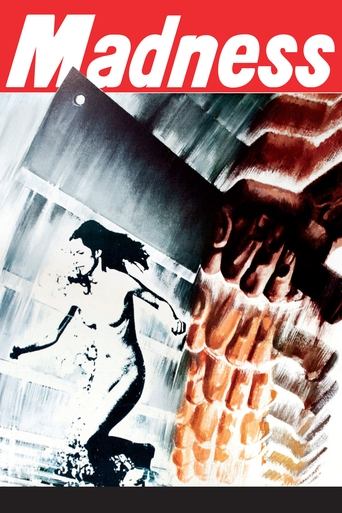
Movies Like Madness
An escaped convicted murderer invades the cottage of a man, his wife and the wife's sister, whereupon he proceeds to torment this already dysfunctional trio with rape and violence.
Ranked by shared directors, cast, themes, genre, and era — not just generic recommendations.
The Italian Connection
Same director Fernando Di Leo, same grindhouse crime tone, overlapping cast (Gianni Macchia), Italian crime milieu
The Boss
Fernando Di Leo directs; brutal Italian crime thriller with hitman and Mafia violence, same era and tone
Shoot First, Die Later
Fernando Di Leo; Italian poliziottesco crime-thriller with corruption and vengeance, same directorial style
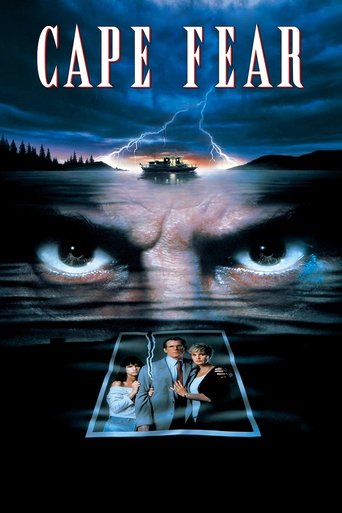
Cape Fear
Escaped convict terrorizes a family in their home; rape and psychological torment, dark adult crime-thriller tone
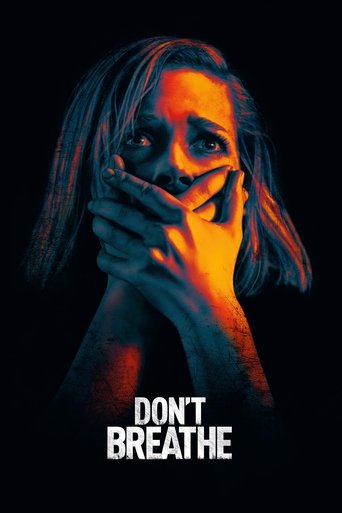
Don't Breathe
Home invasion with trapped victims facing a brutal captor; sexual violence subplot, adult crime-horror, tense siege
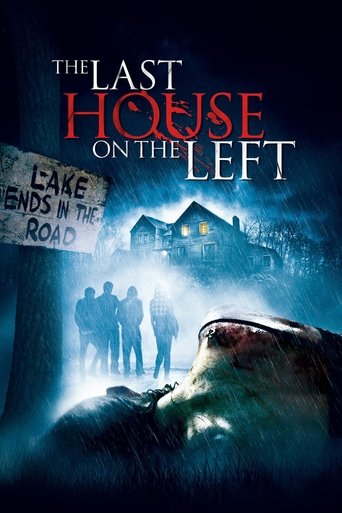
The Last House on the Left
Escaped convict gang invades family home; rape and brutal violence against adults, rape-and-revenge crime-thriller
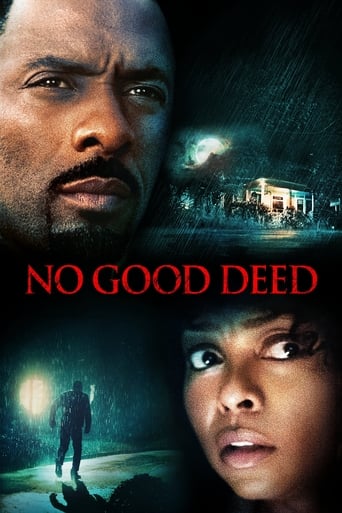
No Good Deed
Escaped convict invades a woman's home under false pretenses; violence and terror, adult crime-thriller with home invasion

Becky
Escaped convicts invade a lake house and terrorize a family; brutal violence, home invasion siege, adult crime-thriller
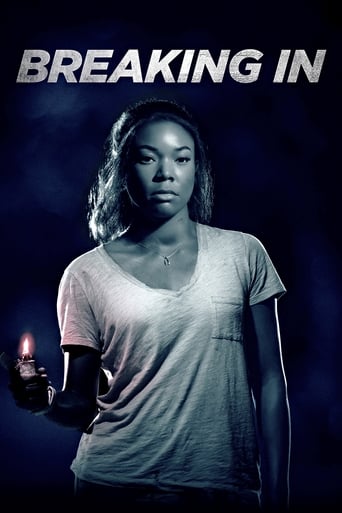
Breaking In
Home invasion by criminals holding a family hostage in an isolated house; adult crime-thriller, siege structure

Straw Dogs
Home invasion siege; couple terrorized and violated by rural criminals, adult brutal crime-thriller, landmark of the genre

Funny Games
Two men hold a family hostage in their holiday home; psychological and physical torment, transgressive adult home invasion
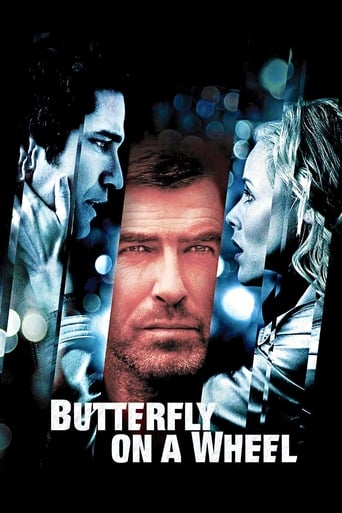
Butterfly on a Wheel
Sociopathic criminal tormenting a family unit to breaking point; adult crime-thriller with psychological cruelty
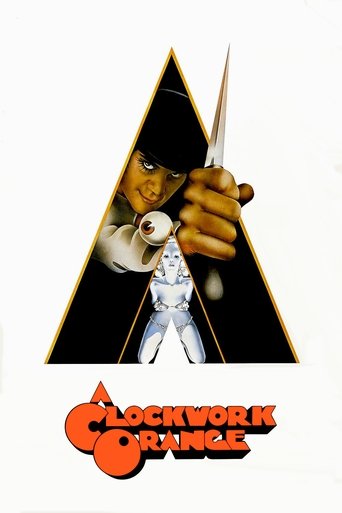
A Clockwork Orange
Gang home invasion with rape and extreme violence against a couple; dark adult crime with transgressive tone
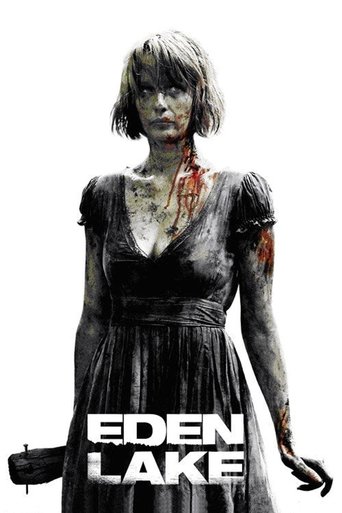
Eden Lake
Adult couple terrorized by brutal youths in isolated setting; escalating violence and murder, grim adult crime-thriller
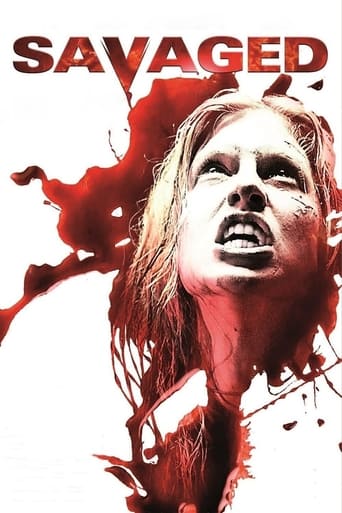
Savaged
Rape-and-revenge with brutal violence against a woman by attackers in a rural setting; adult horror-thriller overlap
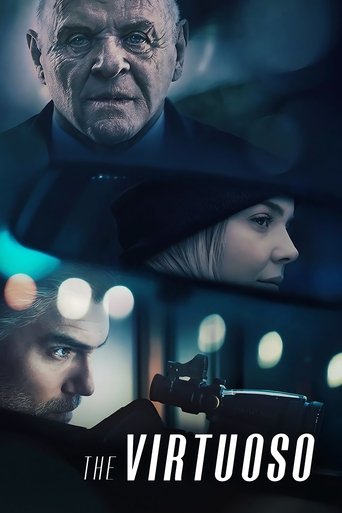
The Virtuoso
Hitman crime-thriller with murder and betrayal; adult crime-action atmosphere loosely akin to Di Leo's criminal world

God Is a Bullet
Violent cult kidnapping and family trauma; adult crime-thriller with dark tone, though different structure and setting
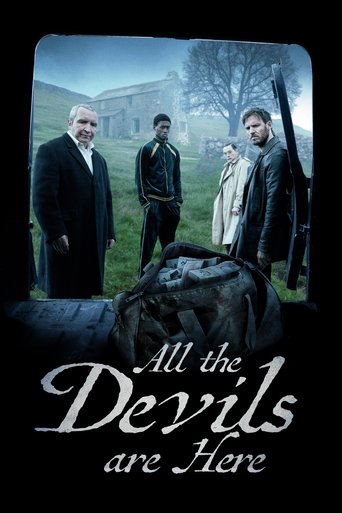
All the Devils Are Here
Criminals in an isolated location with paranoia and betrayal; adult crime-thriller atmosphere, darker ensemble mood
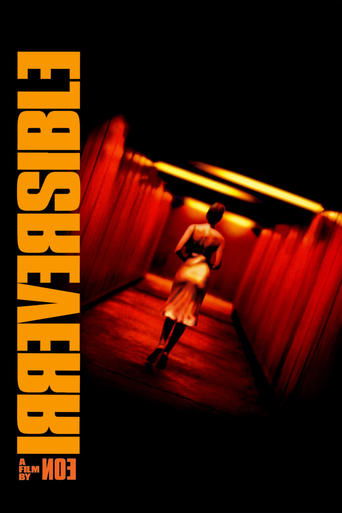
Irreversible
Brutal rape and retaliatory violence in adult French crime; transgressive, dark tone matching the source's extremity

Loving Badly
Fernando Di Leo early work with overlapping cast (Gianni Macchia); drama rather than crime-thriller but same director DNA
How Good Is Madness?
Ratings across IMDb, Rotten Tomatoes, Metacritic, and TMDB, plus our verdict.
Where to Watch Madness
Streaming, rental, and purchase options across 40+ countries.
United States
USFree with Ads
1 Kanopy
Rent
1 Amazon Video
Buy
3Amazon Video Barnes & Noble
 Amazon DVD / Blu-ray
Available in 4 countries
Frequently asked about Madness
Common questions people search for, with answers written by us at MoviesPack.
Is the movie Madness a true story?
No, Madness (1980), directed by Fernando Di Leo, is a fictional thriller and is not based on a true story.
Is the movie Madness scary?
Madness is classified as a violent crime thriller rather than a horror film, but it contains disturbing scenes of home invasion, rape, and brutality that many viewers find intense and unsettling.
What is the twist in Madness?
The central twist is that the cottage where the escaped killer Joe holes up is the same place where he previously hid the loot from a robbery, so his hostage situation is really a cover for digging up the buried money. The finale adds a further turn when the seemingly meek husband and the women fight back, leaving Joe to be undone by the very people he tormented.
Why does Nanni target the specific family in the film?
Nanni, the escaped convict, targets the family because one of its members was complicit in or directly responsible for his imprisonment — he views them as people who betrayed him and profited while he suffered in jail. His motivation is personal vengeance rather than random violence. The film frames his rampage as the twisted culmination of years of festering resentment.
What does the isolated villa setting symbolize in the story?
The remote countryside villa functions as a trap that cuts both ways — it represents the bourgeois comfort and insularity of the family, but it also seals them off from any hope of rescue once Nanni arrives. Di Leo uses the setting to strip away the social structures that normally protect the privileged, forcing a raw confrontation between predator and prey. The vacation context heightens the irony: a retreat meant for leisure becomes a slaughterhouse.
Is Nanni portrayed as purely evil, or does the film give him a sympathetic dimension?
Di Leo deliberately complicates Nanni's character by establishing the injustice that preceded his violence — the audience understands, even if it cannot endorse, his rage. He is monstrous in his methods but not without a grievance rooted in real betrayal. This moral ambiguity is characteristic of Di Leo's poliziottesco work, where the line between criminal and victim is intentionally blurred.
How does the ending resolve the conflict between Nanni and the family?
The climax follows the genre's fatalistic logic: the cycle of violence consumes nearly everyone, leaving survival more a matter of chance than justice. Di Leo offers no redemptive resolution — the ending underscores that vengeance does not restore what was lost and that the social rot enabling the original betrayal remains intact. The conclusion is deliberately bleak, consistent with the film's nihilistic tone throughout.
What role does the family's internal dysfunction play in the plot?
Before Nanni even arrives, the family is shown to be fractured — marked by selfishness, hidden guilt, and weak solidarity. Their inability to unite effectively against the threat is partly a consequence of these pre-existing fractures. Di Leo uses this to suggest that the family's vulnerability is not merely physical but moral: they are already compromised people ill-equipped to face the consequences of past wrongs.
Recent Updates
Madness now streaming on Amazon Video (GB)
Madness now streaming on Kanopy (US)
Madness now streaming on Amazon Video (US)