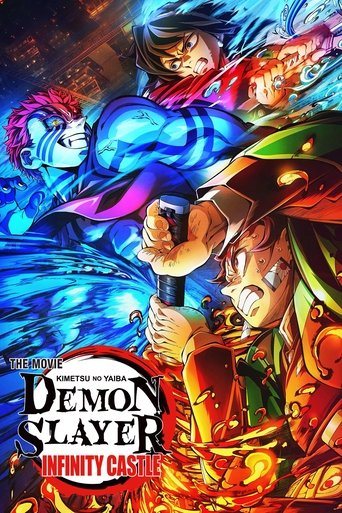
Movies Like Demon Slayer: Kimetsu no Yaiba Infinity Castle
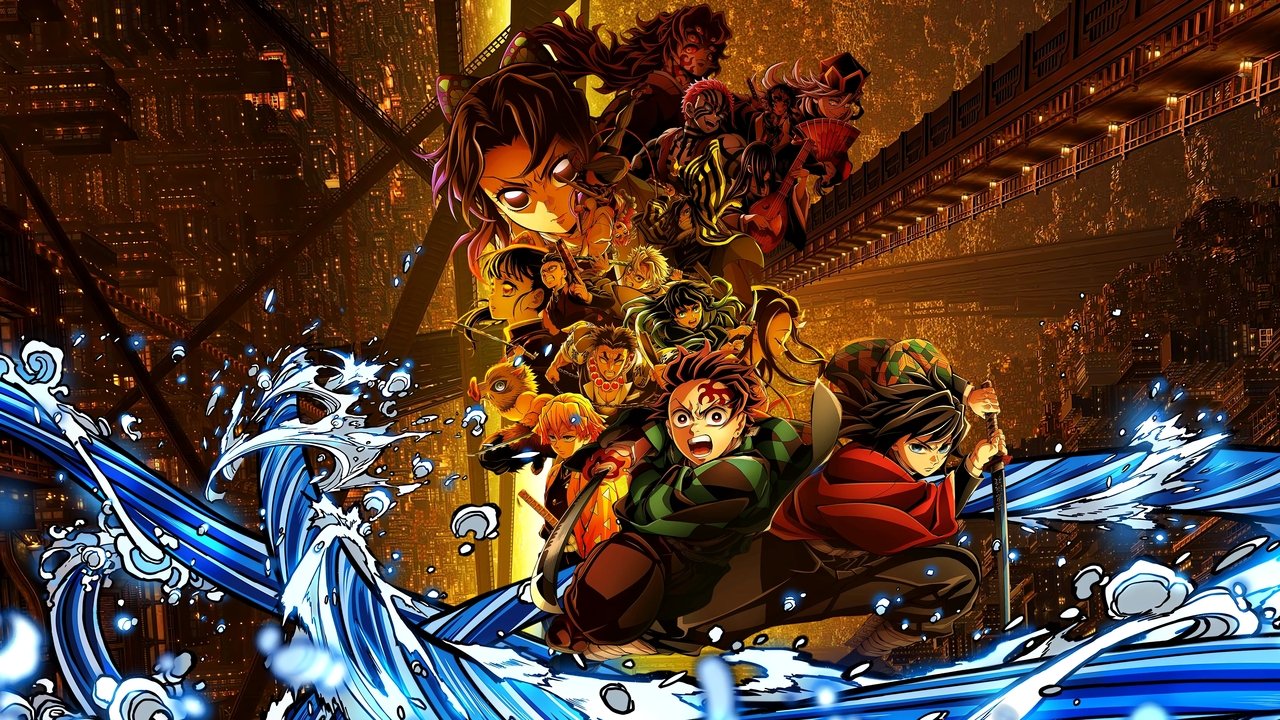
The Demon Slayer Corps are drawn into the Infinity Castle, where Tanjiro, Nezuko, and the Hashira face terrifying Upper Rank demons in a desperate fight as the final battle against Muzan Kibutsuji begins.
Ranked by shared directors, cast, themes, genre, and era — not just generic recommendations.
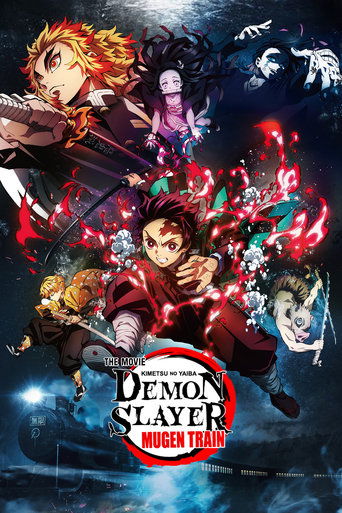
Demon Slayer -Kimetsu no Yaiba- The Movie: Mugen Train
Same franchise, same director (Sotozaki), same core cast — direct series predecessor to Infinity Castle.
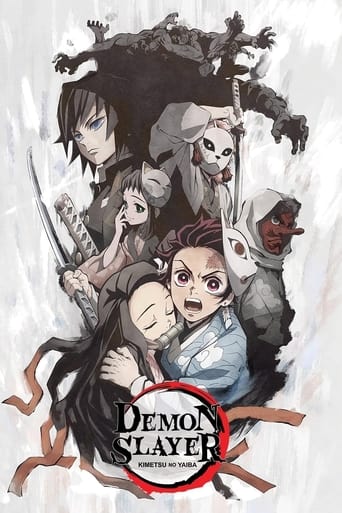
Demon Slayer: Kimetsu no Yaiba - Sibling's Bond
Same franchise, same director, same cast — recap film that introduces the Infinity Castle arc's world.
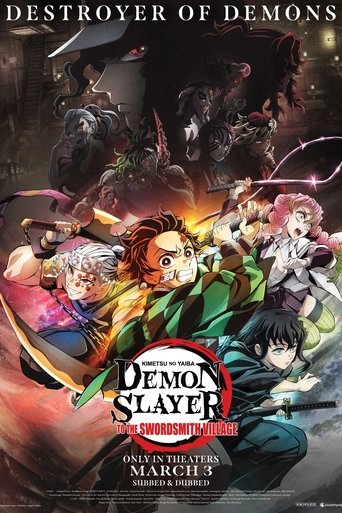
The Village
Same Demon Slayer franchise, same director and full cast — compilation film bridging Entertainment District arc.
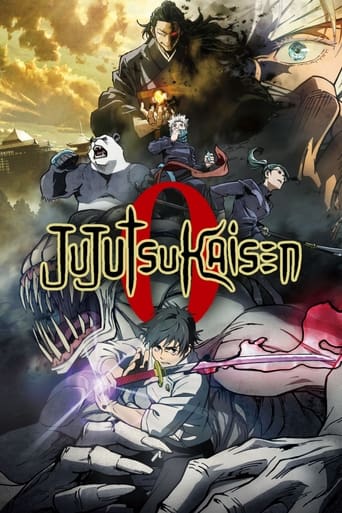
Jujutsu Kaisen 0
Dark fantasy shounen manga film — cursed spirits, high-stakes battles, same audience and tone as Demon Slayer.
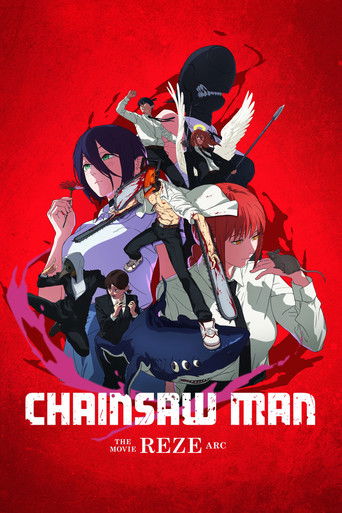
Chainsaw Man - The Movie: Reze Arc
Same era, dark manga adaptation, demons, gore, high-production anime film targeting the same shounen/seinen audience.
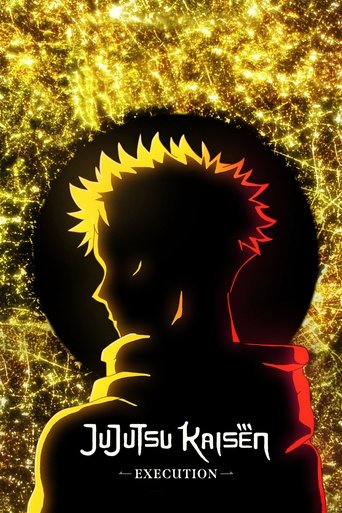
JUJUTSU KAISEN: Execution
Same year, JJK universe — Shibuya arc compilation, dark supernatural battles, direct shelf neighbor for Demon Slayer fans.
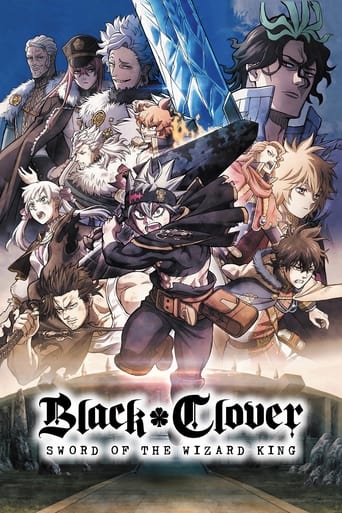
Black Clover: Sword of the Wizard King
Shounen manga anime film — magic, demons, Wizard King mythology, same audience as Demon Slayer theatrical releases.
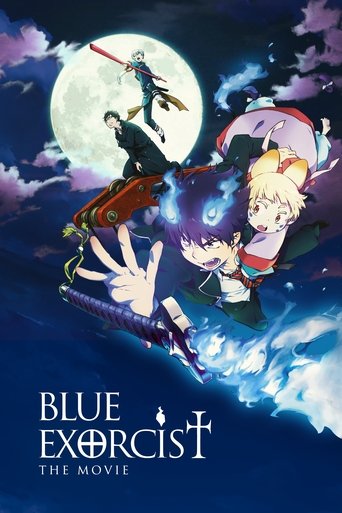
Blue Exorcist: The Movie
Shounen manga anime film — exorcists vs demons, supernatural combat, same demographic and tone.
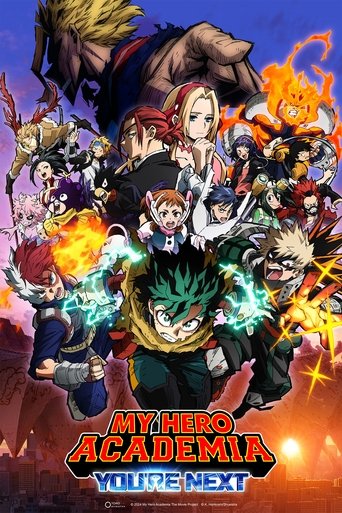
My Hero Academia: You're Next
Top-tier shounen franchise theatrical film, same audience base — fans of Demon Slayer films watch MHA films.
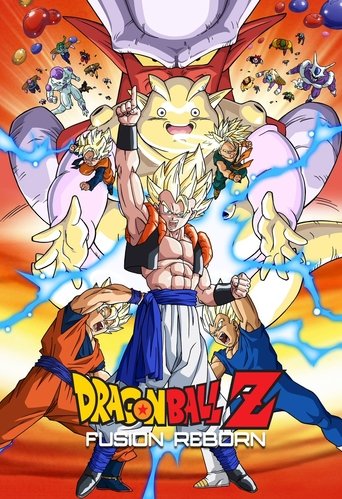
Dragon Ball Z: Fusion Reborn
Foundational shounen battle anime film — demons invade, high-stakes fighting, same genre DNA that inspired Demon Slayer.
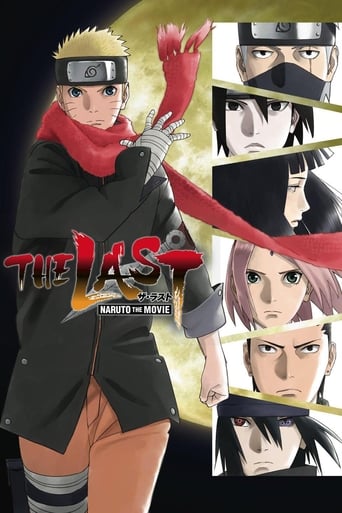
The Last: Naruto the Movie
Flagship shounen manga theatrical film — same audience, event anime cinema tradition that Demon Slayer films continue.

Fate/stay night: Heaven's Feel II. Lost Butterfly
Dark fantasy anime theatrical film — supernatural combat, tragedy, high production values; older/more niche audience than DS.
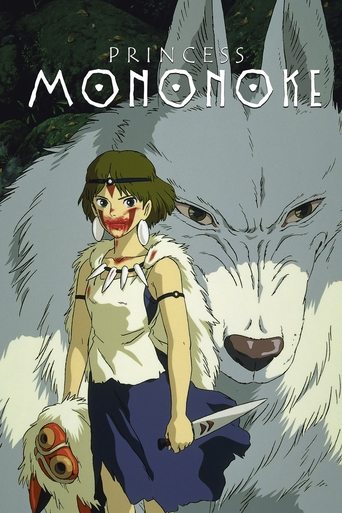
Princess Mononoke
Japanese animation, demons, dark fantasy combat — tonally serious and visually rich; different studio/audience but thematic overlap.

Mononoke the Movie: The Phantom in the Rain
Japanese anime film, demons, supernatural horror, Taisho/Edo-era setting — thematic overlap with Demon Slayer's world.
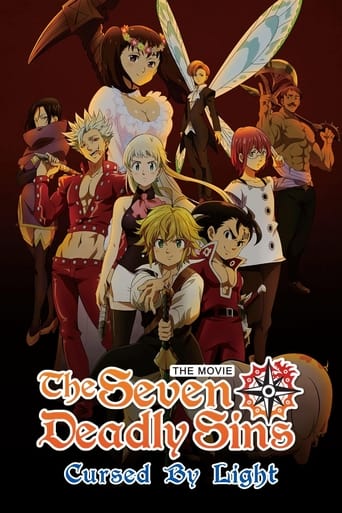
The Seven Deadly Sins: Cursed by Light
Shounen anime film, demons and magic combat — similar shelf but lower quality and less tonal match.
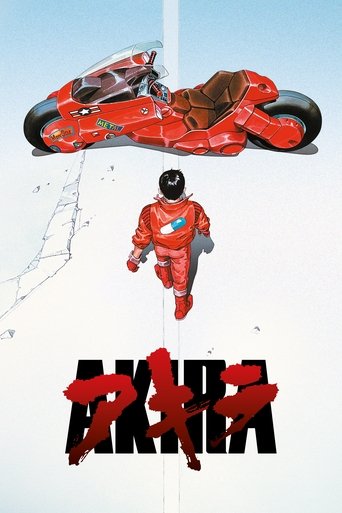
Akira
Landmark Japanese anime film, intense action and dark themes — tonal cousin via genre prestige, but sci-fi not fantasy.
How Good Is Demon Slayer: Kimetsu no Yaiba Infinity Castle?
Ratings across IMDb, Rotten Tomatoes, Metacritic, and TMDB, plus our verdict.
Where to Watch Demon Slayer: Kimetsu no Yaiba Infinity Castle
Streaming, rental, and purchase options across 40+ countries.
United States
USIn Theaters
1 Fandango
Available in 3 countries
Frequently asked about Demon Slayer: Kimetsu no Yaiba Infinity Castle
Common questions people search for, with answers written by us at MoviesPack.
Which girl loves Tanjiro?
Kanao Tsuyuri, a fellow Demon Slayer trained alongside Tanjiro, harbors deep romantic feelings for him, which become clearer as the series progresses. Aoi Kanzaki, who works at the Butterfly Estate, is also commonly interpreted as having affection for him.
Who is Zenitsu afraid of?
Zenitsu Agatsuma is most often terrified of demons in general and reduced to panic in combat unless he is asleep. Within the Infinity Castle arc, his greatest fear is confronting his former fellow disciple Kaigaku, who betrayed their master Jigoro Kuwajima and became an Upper Rank demon.
Why couldn't Nakime find Nezuko?
Nakime tracks targets through her biwa-controlled Infinity Castle by sensing their presence, but Nezuko's demonic aura is suppressed and unusual because she resists Muzan's influence and does not feed on humans. This atypical nature makes her difficult to pinpoint compared to ordinary demons or slayers.
Why did Tanjiro become evil?
Tanjiro does not turn evil during the Infinity Castle arc itself; that transformation occurs later in the final confrontation with Muzan Kibutsuji, who injects him with a massive concentration of his blood to convert him into a demon and his successor. The change is forced upon Tanjiro while he is near death, not a willing choice.
What is the Infinity Castle and why does Muzan use it?
The Infinity Castle is a vast, labyrinthine dimensional fortress controlled by Nakime, one of the Twelve Kizuki, who manipulates its endlessly shifting rooms with her Blood Demon Art. Muzan Kibutsuji uses it as his base of operations because its constantly rearranging interior makes navigation impossible for outsiders, separating and isolating Demon Slayer Corps members who enter. The castle effectively turns the battlefield into Muzan's weapon, forcing the slayers to fight the Upper Moons one by one before they can ever reach him.
Why does Doma turn Shinobu Kocho into a demon before killing her?
Doma absorbs Shinobu rather than simply killing her because her entire body is saturated with wisteria poison — she spent years ingesting and concentrating it to the point where her flesh itself is lethal to demons. He underestimates how much poison she has accumulated, and the sheer quantity she has laced into her own body ultimately begins destroying him from within after he absorbs her. Shinobu sacrifices herself deliberately, knowing her poison-infused body is the only weapon strong enough to weaken Doma enough for Kanao and Inosuke to finish him.
What is the significance of Tanjiro using Hinokami Kagura against the Upper Moons?
Hinokami Kagura — the Sun Breathing style passed down through the Kamado family as a ritual dance — is revealed to be the original breathing form from which all other styles descend. When Tanjiro employs it, he is unknowingly tapping into techniques pioneered by Yoriichi Tsugikuni, the only Demon Slayer who ever brought Muzan to the brink of death. Using Sun Breathing against the Upper Moons signals that Tanjiro is converging on the same power that Muzan has feared for centuries, which is why Muzan views Tanjiro's existence as an existential threat.
Why does Akaza refuse to kill female combatants and what does this reveal about his past?
Akaza's refusal to fight or kill women is a psychological remnant of his human life as Hakuji, who swore to protect his ailing fiancée Koyuki and her father after they showed him kindness. Even after being turned into a demon and losing his explicit memories, this emotional imprint persists as a behavioral compulsion he cannot explain. His battle with Tanjiro and Giyu gradually forces fragmented recollections of Koyuki to surface, and it is ultimately the resurgence of that grief and guilt — not any physical blow — that causes Akaza to reject his own demonic regeneration and allow himself to die.
How does Gyutaro's curse affect the fight against the Upper Moon Six siblings?
Gyutaro and Daki share a single demon body split between two beings: Daki exists as the public-facing Upper Moon Six while Gyutaro is the true vessel whose heart and core must also be destroyed for either of them to die. Gyutaro's Blood Demon Art releases poisonous sickles that contaminate wounds and can kill a Demon Slayer even after the battle is technically won, which is why Tanjiro and Tengen Uzui's team must behead both siblings simultaneously. The siblings' interdependence is also emotional — Gyutaro's hatred and resentment for the world that scorned them in life is what sustains Daki's existence, making their bond both their greatest strength and the source of their ultimate tragedy.
Recent Updates
Demon Slayer: Kimetsu no Yaiba Infinity Castle rating moved up to 8.8
Demon Slayer: Kimetsu no Yaiba Infinity Castle rating moved up to 8.5
Demon Slayer: Kimetsu no Yaiba Infinity Castle rating moved up to 8.2
New Teaser: Demon Slayer: Kimetsu no Yaiba Infinity Castle
New Trailer: Demon Slayer: Kimetsu no Yaiba Infinity Castle