Movies Like 12 Angry Men
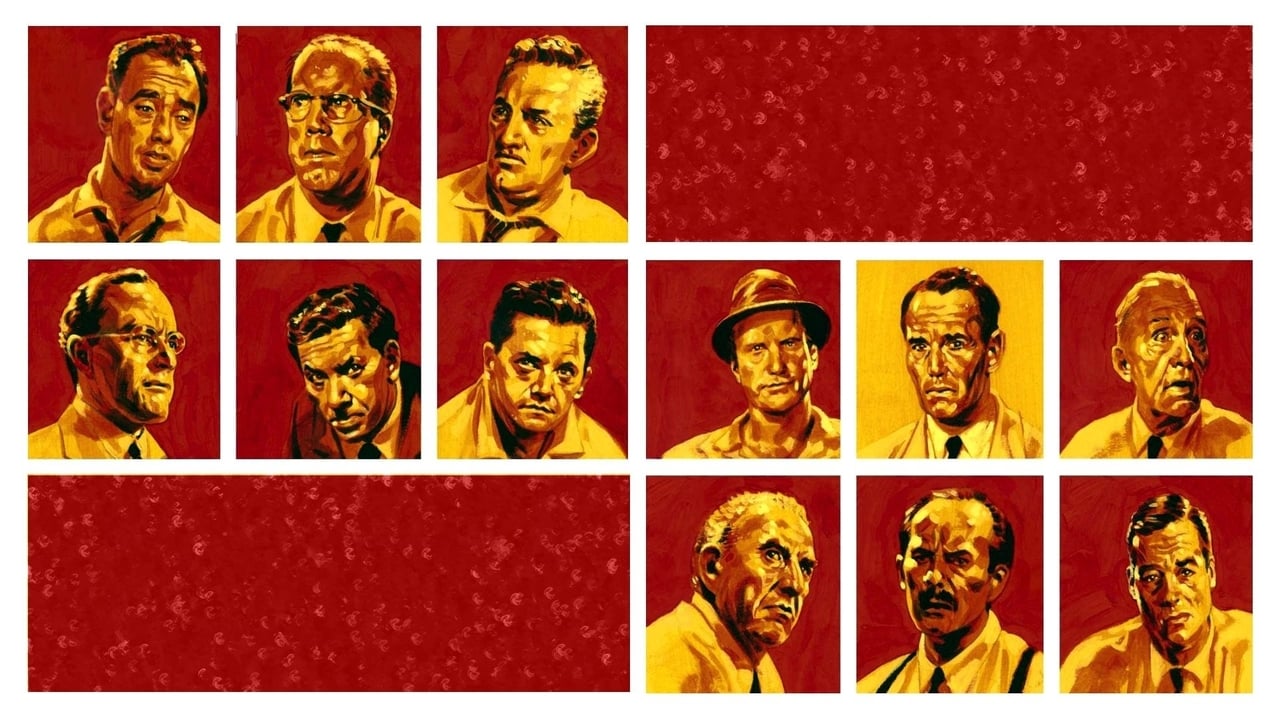
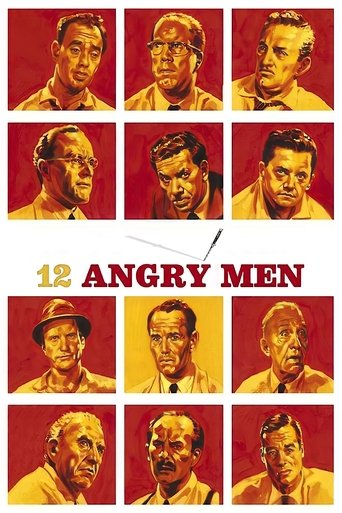
The defense and the prosecution have rested and the jury is filing into the jury room to decide if a young Spanish-American is guilty or innocent of murdering his father. What begins as an open and shut case soon becomes a mini-drama of each of the jurors' prejudices and preconceptions about the trial, the accused, and each other.
Ranked by shared directors, cast, themes, genre, and era — not just generic recommendations.
12 Angry Men
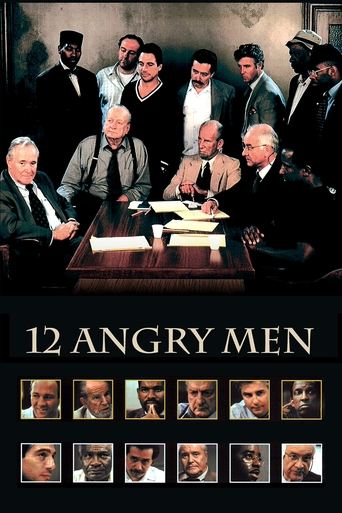
Direct remake of the same story; same jury-room premise, death penalty, juror prejudice — franchise continuation.
Witness for the Prosecution
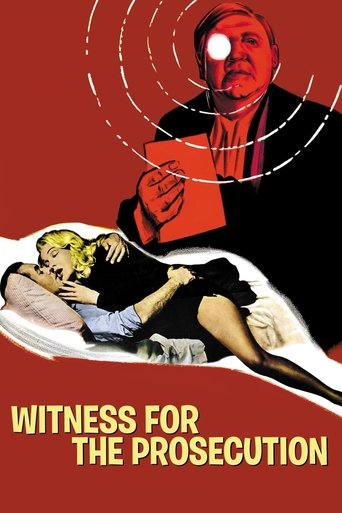
B&W courtroom drama with a shocking verdict twist; same era, same moral-weight trial stakes, Billy Wilder direction.
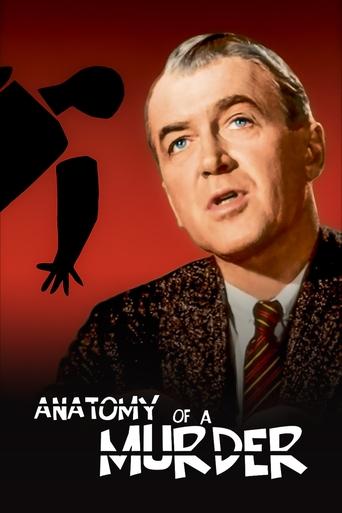
Anatomy of a Murder
Otto Preminger courtroom masterpiece; murder trial, jury, legal procedure — the definitive B&W trial-drama peer.
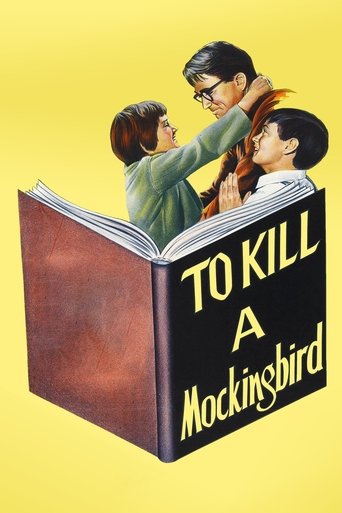
To Kill a Mockingbird
B&W courtroom drama; racial injustice, false accusation, moral heroism — shares every core theme of 12 Angry Men.
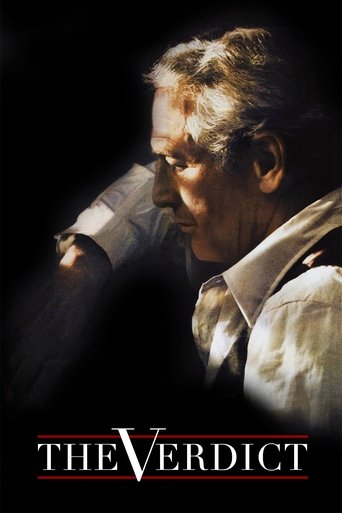
The Verdict
Sidney Lumet directs this courtroom drama about justice vs. corrupt institutions — same director, same thematic DNA.
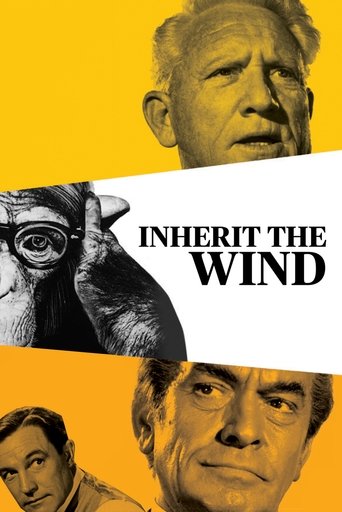
Inherit the Wind
B&W courtroom drama based on a play; intense moral debate in a closed setting, same huis clos trial-drama form.
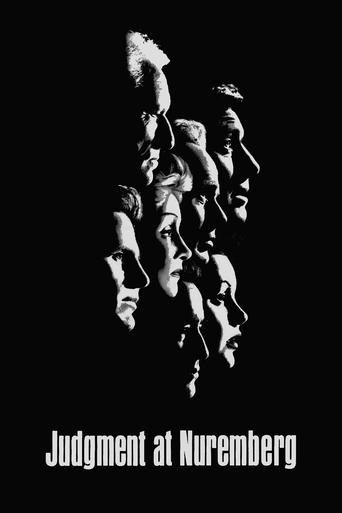
Judgment at Nuremberg
B&W courtroom drama on justice, guilt, and moral conscience; Nazi war crimes trial — the closest dramatic peer in the pool.
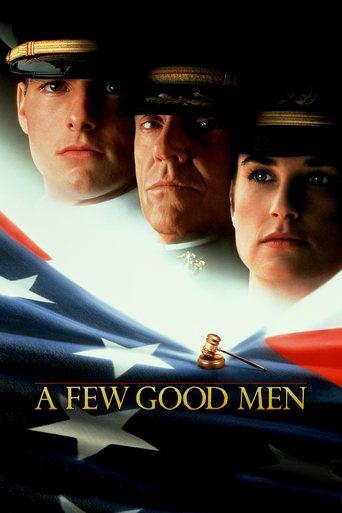
A Few Good Men
Military court drama based on a play; single-room confrontation logic, institutional pressure vs. truth — strong peer.
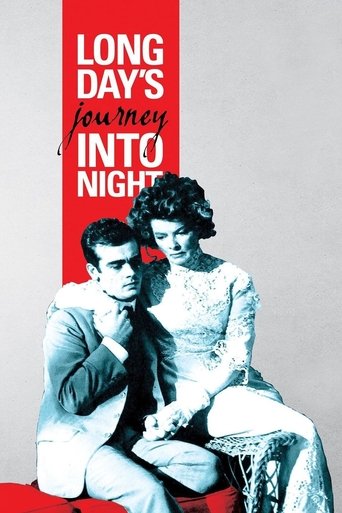
Long Day's Journey Into Night
Sidney Lumet adapts a stage play in B&W; confined family drama, verbal combat, moral reckoning — same director and form.
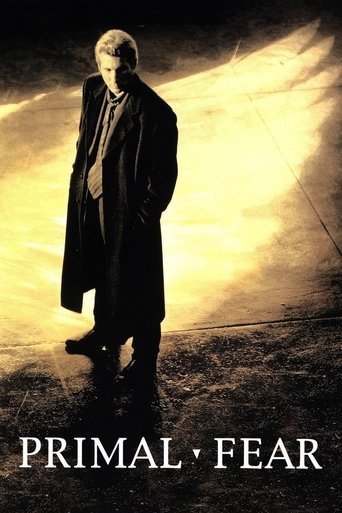
Primal Fear
High-stakes murder trial, death penalty, moral ambiguity about innocence — courtroom thriller that directly echoes the themes.
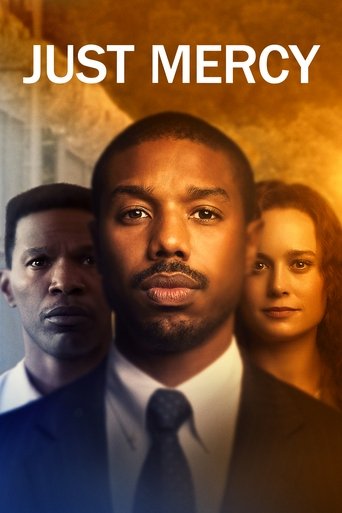
Just Mercy
Wrongful death-row conviction challenged by a lawyer; shares innocence, death penalty, and systemic injustice themes.
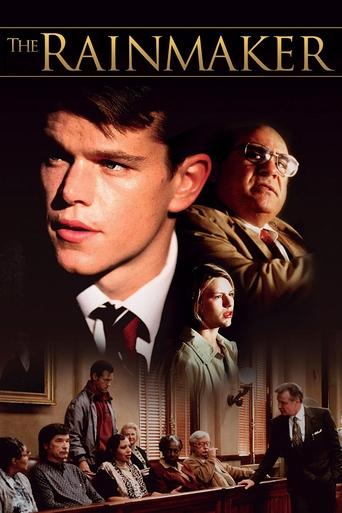
The Rainmaker
Courtroom underdog drama; jurors, legal procedure, David-vs-Goliath justice — solid thematic adjacency.

Runaway Jury
Jury manipulation, trial drama, courtroom tension — directly shares jury and verdict mechanics with 12 Angry Men.
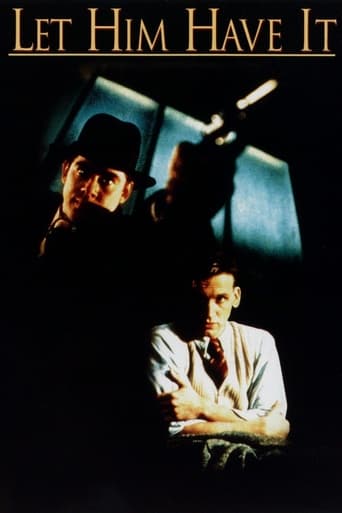
Let Him Have It
True-story wrongful capital punishment case in Britain; courtroom drama, innocence, and systemic injustice.
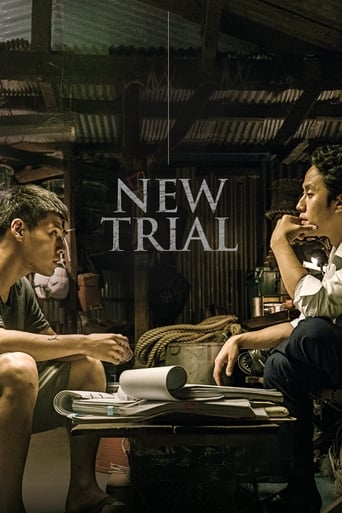
New Trial
Korean legal drama about overturning a wrongful murder conviction; shares innocence and trial themes.

The Judge
Courtroom drama with family conflict; murder trial, lawyer protagonist, judgment theme — adjacent legal drama.
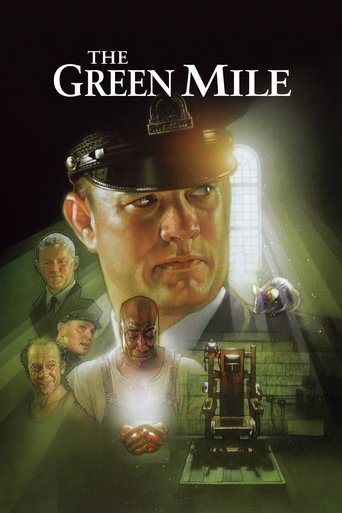
The Green Mile
Death row, capital punishment, wrongful execution — shares moral weight of death penalty and innocence but no courtroom.
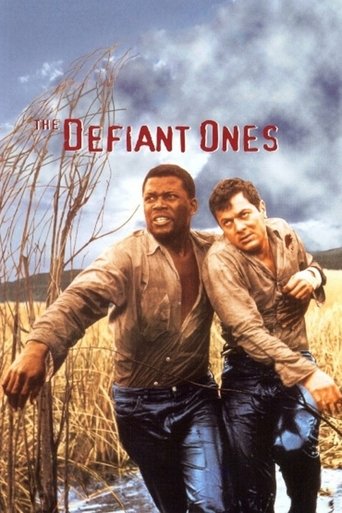
The Defiant Ones
Stanley Kramer B&W drama on racial prejudice and forced cooperation — same director as Judgment, same era social conscience.
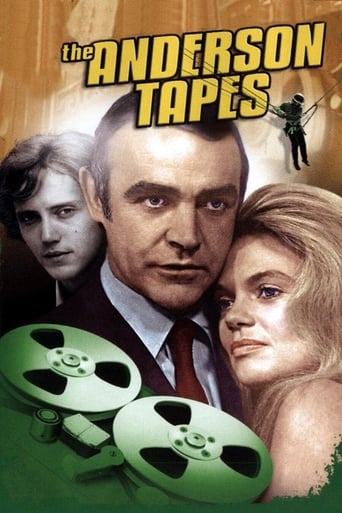
The Anderson Tapes
Sidney Lumet directing a tense ensemble thriller — shares director lineage though genre shifts to heist/crime.
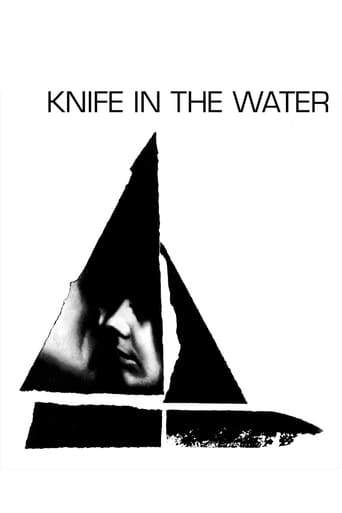
Knife in the Water
Claustrophobic three-person tension drama; confined space, power dynamics, and moral standoff echo 12 Angry Men's structure.
How Good Is 12 Angry Men?
Ratings across IMDb, Rotten Tomatoes, Metacritic, and TMDB, plus our verdict.
Where to Watch 12 Angry Men
Streaming, rental, and purchase options across 40+ countries.
United States
USStream
5 Hulu
Hulu fuboTV
 MGM+ Amazon Channel
 MGM Plus Roku Premium Channel
 MGM Plus
Free with Ads
5 Kanopy
 Hoopla
 YouTube Free
 Fawesome
 Tubi TV
Rent
4 Amazon Video
 Apple TV Store
 Fandango At Home
 Spectrum On Demand
Buy
5Amazon VideoApple TV StoreFandango At Home Amazon DVD / Blu-ray
 Barnes & Noble
Available in 74 countries
Frequently asked about 12 Angry Men
Common questions people search for, with answers written by us at MoviesPack.
Are 12 Angry Men 1957 and 1997 the same?
No, they are different films. The 1957 version is Sidney Lumet's original feature directed from Reginald Rose's teleplay, while the 1997 version is a made-for-TV remake directed by William Friedkin starring Jack Lemmon and George C. Scott.
Why is 12 Angry Men considered such a good movie?
It is widely praised for its tight single-room setting, sharp dialogue, and ensemble performances that build tension without action. Critics also credit Sidney Lumet's direction and Reginald Rose's screenplay for turning a jury deliberation into a study of reasonable doubt, prejudice, and civic responsibility.
Which version of 12 Angry Men is better?
Critical consensus generally favors the 1957 original, which holds a 9.0 IMDb rating and is ranked among the greatest films ever made. The 1997 remake is well-regarded for its cast but is typically viewed as a faithful homage rather than an improvement.
What is the main point of the movie 12 Angry Men?
The film centers on reasonable doubt and the responsibility of jurors in a system where a guilty verdict carries the death penalty. It also examines how personal prejudice, assumptions, and group pressure can distort judgment, with one juror's persistent questioning forcing the others to re-examine the evidence.
Why does Juror 8 (Henry Fonda) vote 'not guilty' at the start when everyone else votes 'guilty'?
Juror 8 doesn't claim the defendant is innocent — he simply isn't convinced the evidence proves guilt beyond a reasonable doubt. He votes 'not guilty' to force the jury to discuss the case rather than rubber-stamp a death sentence in minutes. His opening position is one of uncertainty, not exoneration.
How does Juror 8 cast doubt on the old man's testimony that he heard the boy say 'I'll kill you' and reached the door in 15 seconds?
Juror 8 re-enacts the walk from the old man's apartment bedroom to the hallway door, timing it himself on the jury room floor. He demonstrates it takes closer to 41 seconds for an elderly man with a bad leg to cover that distance, making the witness's account physically implausible. This re-enactment is one of the film's key turning points.
What is the significance of the switchblade knife that Juror 8 produces during deliberations?
The prosecution's unique, rare-knife theory collapses when Juror 8 slams an identical switchblade on the table — one he bought the night before at a pawnshop two blocks from where the defendant lived. This proves the knife was not so rare or unique that only the defendant could have owned one, undermining a central piece of physical evidence.
Why does the woman witness's testimony ultimately get discredited?
Juror 9, the eldest juror, notices the woman had red marks on her nose consistent with wearing eyeglasses, yet she claimed to have seen the murder through her window at night without them. Someone with poor enough eyesight to need glasses habitually would be unlikely to see clearly across a dark street from a moving elevated train — making her identification of the defendant unreliable.
What drives Juror 3's fierce insistence on a guilty verdict throughout the film?
Late in the film Juror 3 reveals a deeply personal motive: he is estranged from his own son after a physical confrontation years earlier, and his son walked out on him. His rage toward the teenage defendant is a displaced anger — he has projected his failed relationship onto this boy. When he finally breaks down and weeps over a torn-up photo of himself and his son, he votes 'not guilty,' acknowledging his judgment was poisoned by personal grievance.
Recent Updates
12 Angry Men now streaming on SFR Play (FR)
New Trailer: 12 Angry Men
12 Angry Men now streaming on Pathé Home (FR)
12 Angry Men now streaming on Amazon Video (FR)
12 Angry Men now streaming on Rakuten TV (FR)