
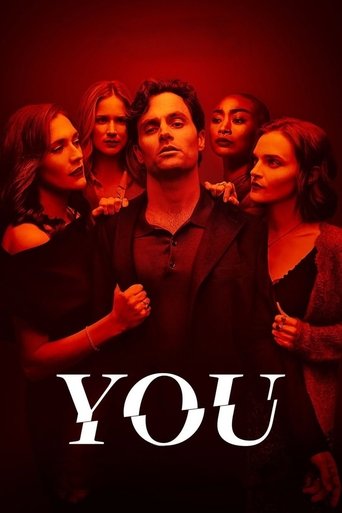
Shows Like You
A dangerously charming, intensely obsessive young man goes to extreme measures to insert himself into the lives of those he is transfixed by.
Ranked by shared creators, cast, themes, genre, and network — not just generic recommendations.
Dexter
Serialized antihero serial killer POV, dark wit, moral ambiguity — closest structural twin to You

Dexter: Resurrection
Direct continuation of Dexter — franchise entry, same antihero killer premise and audience

Hannibal
Serialized, literary-grade psychological thriller; charismatic manipulative killer as protagonist/antagonist
Killing Eve
Mutual obsession as plot engine, darkly funny tone, female gaze subversion — direct audience overlap
The Sinner
Psychological crime, unreliable psychology, buried trauma driving violence — serialized and adult
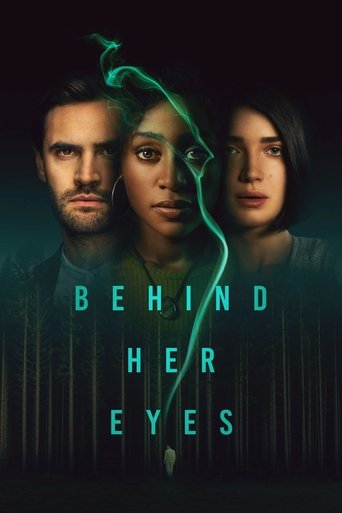
Behind Her Eyes
Obsessive love affair with supernatural twist, mind-game escalation, same thriller-romance audience
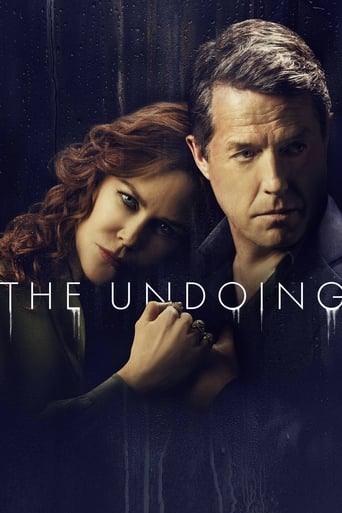
The Undoing
Upscale NYC setting, charming killer husband, psychological cat-and-mouse; premium thriller tone

Revenge
Serialized obsessive protagonist executing a long con; dark manipulation and identity games
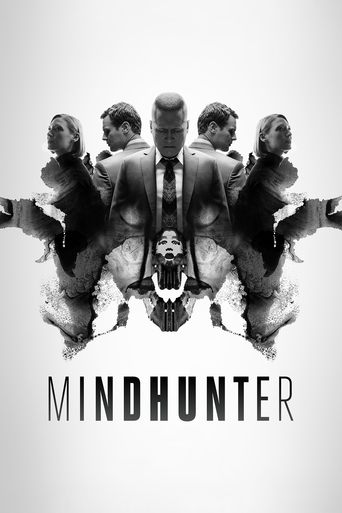
MINDHUNTER
Serial killer psychology deep-dive, slow-burn serialized drama; same intellectual fascination audience

Elite
Same 2018 launch, jealousy/obsession/murder in privileged milieu, same young-adult streaming audience
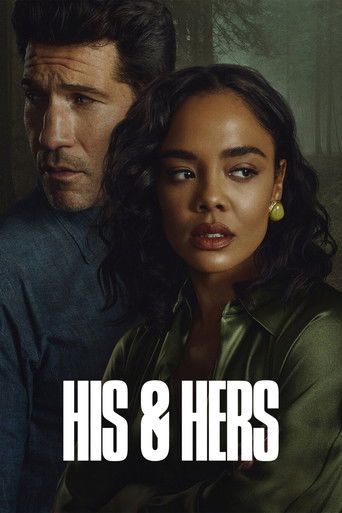
HIS & HERS
Psychological thriller miniseries with murder, mind games, and unreliable married-couple dynamic

56 Days
Dark erotic thriller reconstructing a deadly romance — tone and structure mirror You's relationship arcs
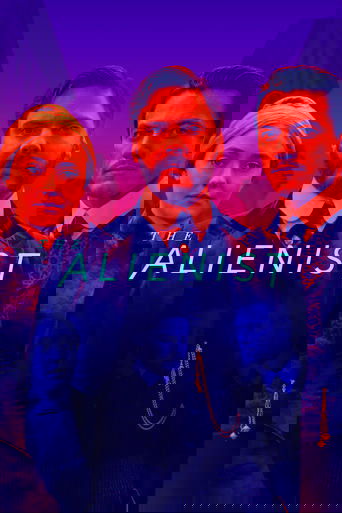
The Alienist
Literary psychological crime, NYC obsession with a killer's inner world; premium prestige aesthetic
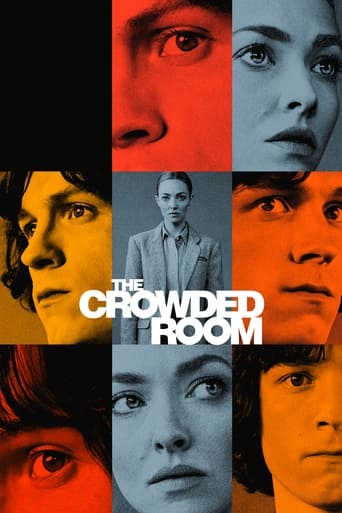
The Crowded Room
1979 NYC, fragmented unreliable psychology, crime mystery with deep psychological excavation

Imperfect Women
Female friendship shattered by murder; betrayal and secrets echoing You's relationship-destruction arc

A Good Girl's Guide to Murder
Based on YA thriller novel, obsessive amateur investigation into a murder with dark romantic undertones
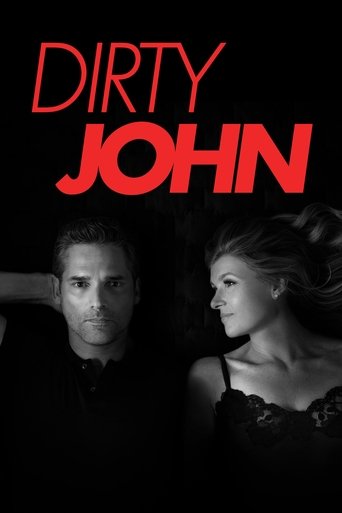
Dirty John
True-crime dramatization of a charming predatory manipulator targeting women — direct tonal cousin to You
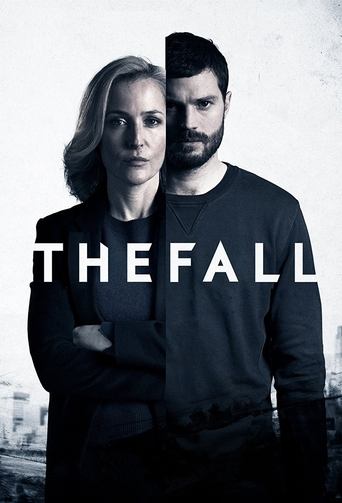
The Fall
Serial killer thriller told partly from killer POV; slow-burn obsession and voyeurism, premium prestige tone
Conversations with a Killer: The Ted Bundy Tapes
Charismatic killer who deceives through charm; feeds same fascination as Joe Goldberg's narrated worldview

Cruel Summer
Obsession, unreliable memory, dark romance in a teen thriller; same streaming audience as You
How Good Is You?
Ratings across IMDb and TMDB, plus our verdict.
Where to Watch You
Streaming, rental, and purchase options across 40+ countries.
United States
USStream
2 Netflix
 Netflix Standard with Ads
Buy
5 Amazon Video
 Apple TV Store
 Fandango At Home
 Amazon DVD / Blu-ray
 Barnes & Noble
Available in 131 countries
Frequently asked about You
Common questions people search for, with answers written by us at MoviesPack.
Why does Joe Goldberg rationalize his stalking and murders as acts of love?
Joe grew up in an abusive, unstable household and was conditioned to conflate obsessive control with devotion. He narrates his actions through a self-serving internal monologue that frames every violent or invasive act as protecting the woman he loves from people he deems unworthy of her. This unreliable first-person perspective is central to the show — the audience hears Joe's justifications while simultaneously witnessing the horror of what he is actually doing.
What happened to Joe's childhood and how does it shape his behavior as an adult?
Joe was abandoned by his mother and spent time in the care of Mr. Mooney, the bookstore owner who locked Joe in a glass cage as punishment and instilled in him the belief that extreme measures are justified to protect the people you love. This formative trauma is the origin of Joe's pattern: he idealizes a woman, constructs a fantasy version of her, and eliminates anyone he perceives as a threat to that fantasy. The glass cage Joe later uses to imprison victims is a direct callback to Mooney's methods.
Did Beck ever truly trust Joe, or did she suspect him before she found the box?
Beck had growing unease about Joe throughout their relationship — she noticed inconsistencies in his stories and felt he was unusually possessive — but she suppressed her doubts because she was drawn to his attentiveness and stability. Her suspicions crystallized only when she discovered the box containing Benji's phone, Peach's phone, and her own stolen underwear hidden in the bathroom ceiling. By that point it was too late for her to escape.
What is the significance of the glass cage in the bookstore basement?
The cage is both a literal tool Joe uses to imprison people he wants to control or neutralize (Beck, later others) and a symbol of his worldview: he believes the people he loves must be contained and protected from themselves and from outside threats. It also mirrors the cage Mooney used on Joe as a child, suggesting Joe has internalized his abuser's logic and reproduced it on his own victims. The cage represents Joe's fundamental inability to have a relationship without domination.
Who is 'Rhys Montrose' in Season 4 and what does his existence reveal about Joe?
Rhys Montrose, the charismatic politician Joe encounters in London, turns out to be a dissociative hallucination — a projection of Joe's own suppressed violent impulses that he has externalized onto a real person as a psychological defense mechanism. Joe genuinely cannot accept that he is the Eat the Rich Killer, so his mind invented Rhys as a separate entity to carry the guilt. When the real Rhys is revealed to have no knowledge of Joe, it confirms that Joe's psyche has fractured to the point where he can no longer acknowledge the full extent of his own actions.
Recent Updates
New Trailer: You