Shows Like Tulsa King
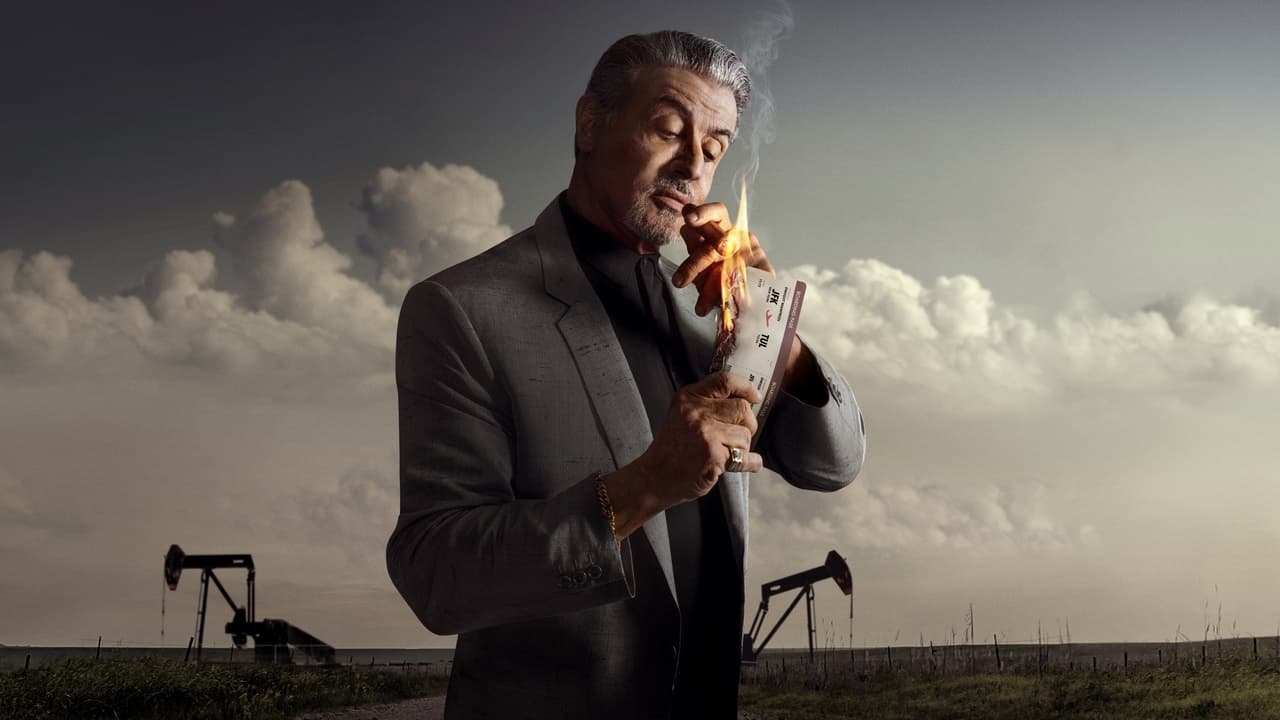
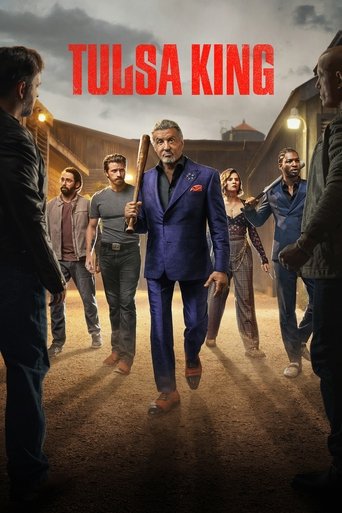
New York mafia capo Dwight "The General" Manfredi is released from prison after 25 years and exiled by his boss to set up shop in Tulsa, Oklahoma. Realizing that his mob family may not have his best interests in mind, Dwight slowly builds a crew.
Ranked by shared creators, cast, themes, genre, and network — not just generic recommendations.
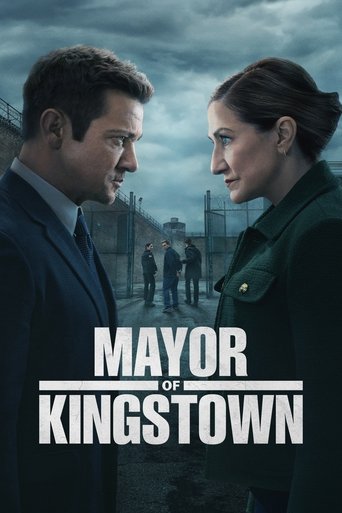
Mayor of Kingstown
Same creator Taylor Sheridan; gritty crime power-broker in a small American city, same dark realism and moral ambiguity.

Lilyhammer
Near-identical premise: New York mobster relocated to a foreign small-town culture via witness protection; fish-out-of-water mob dramedy.
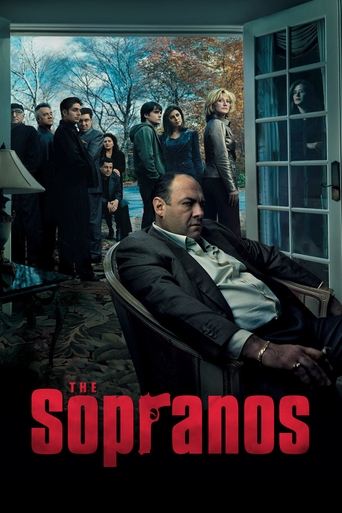
The Sopranos
Aging Italian-American mob boss navigating loyalty, crew dynamics, and family; the definitive template Tulsa King riffs on.
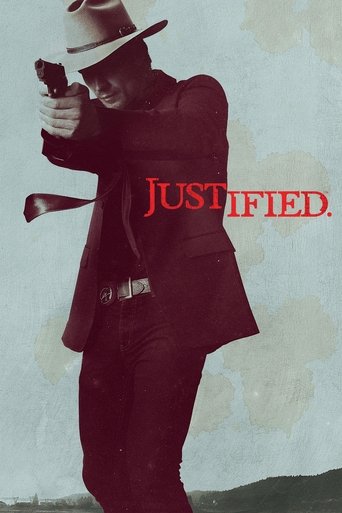
Justified
Neo-western crime dramedy; strong-willed outsider enforces his own rules in rural America — same dry wit and gunslinger swagger.
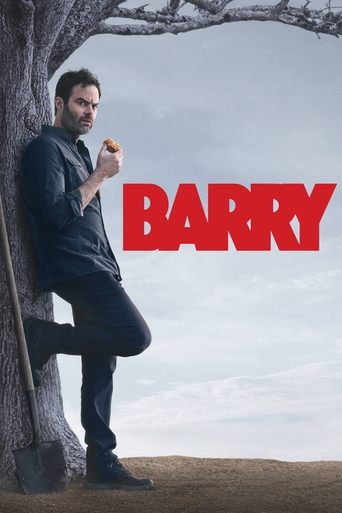
Barry
Criminal fish out of water in a new city, dark crime-dramedy tone, betrayal, hitman trying to reinvent himself — strong DNA overlap.

Godfather of Harlem
Crime boss released from prison rebuilding his criminal empire in a changed neighbourhood; returning-from-prison power-rebuild arc.
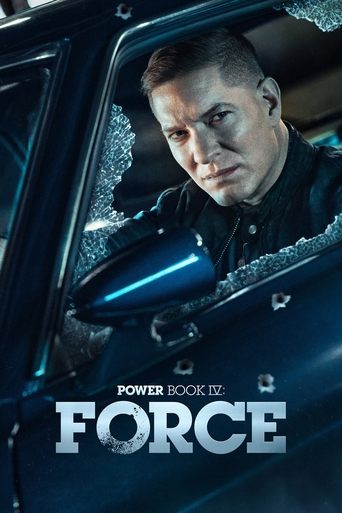
Power Book IV: Force
Outsider criminal relocates to an unfamiliar city and rebuilds a crew from scratch — direct fish-out-of-water crime parallel.
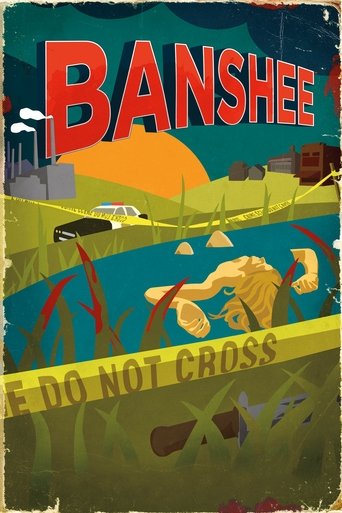
Banshee
Ex-con with a criminal past assumes a false identity in a small Pennsylvania town; neo-western crime, outsider building power.

Yellowstone
Taylor Sheridan's flagship neo-western; same creator, same modern American frontier crime-drama tone and morally complex patriarch.
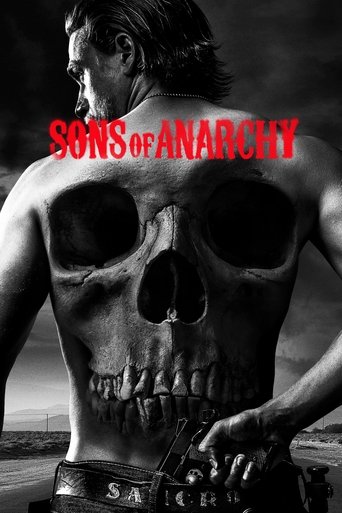
Sons of Anarchy
Outlaw crew-building, organized crime in middle America, loyalty and betrayal within a tight criminal organization.
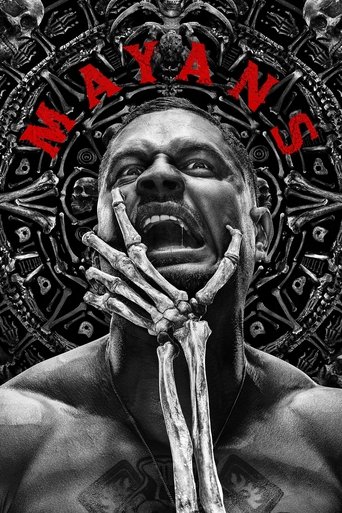
Mayans M.C.
Ex-con rebuilding identity inside an outlaw motorcycle crime organization; shares Sons of Anarchy lineage and crew-loyalty themes.
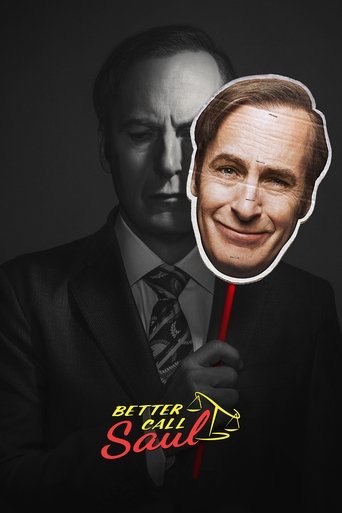
Better Call Saul
Neo-western crime dramedy in the American Southwest; a man operating in the grey zone between legitimate and criminal worlds.
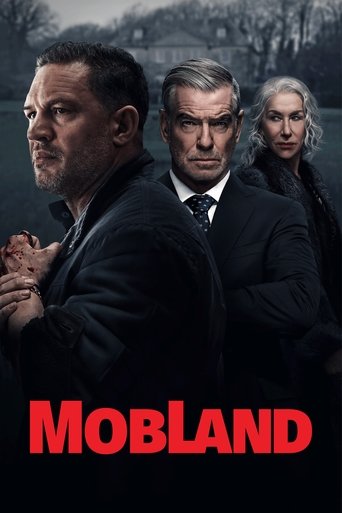
MobLand
Organized crime family at war; gritty mob drama with fixer navigating brutal criminal hierarchies and betrayal.
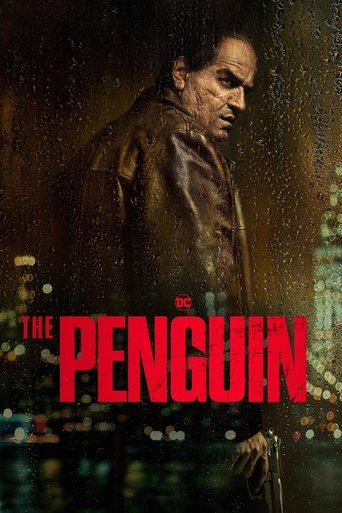
The Penguin
Crime boss filling a power vacuum after imprisonment, building a new crew; mob-family betrayal — comic-book wrapper aside.

Animal Kingdom
Dysfunctional crime family with strong matriarch, crew loyalty tested; organized criminal enterprise in an American setting.
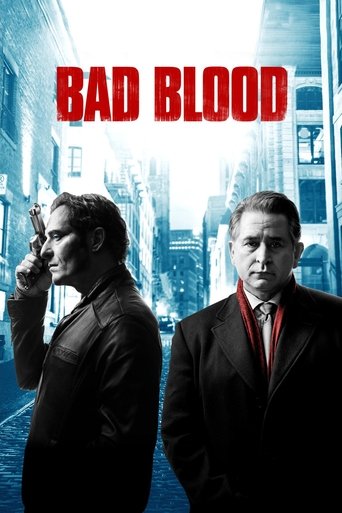
Bad Blood
Sicilian mob boss saga — shared keyword (sicilian mafia) and organized crime drama about a criminal empire's rise and fall.
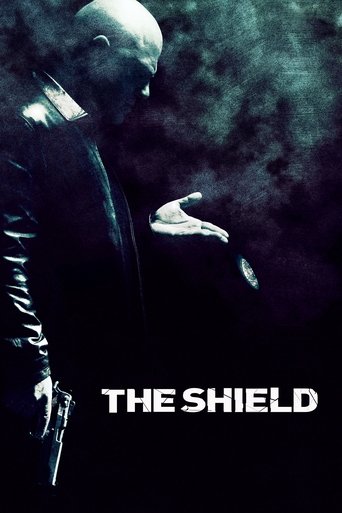
The Shield
Morally corrupt authority figure running his own crew in a gritty American city; similar anti-hero swagger and crew loyalty.
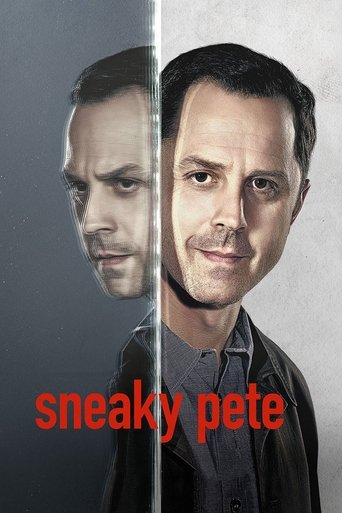
Sneaky Pete
Con man on the run from a gangster assumes false identity; crime-adjacent fish-out-of-water with dysfunctional family entanglement.

McMafia
Reluctant heir drawn into the criminal underworld; organized crime drama with a protagonist navigating mob loyalty — different cultural setting.
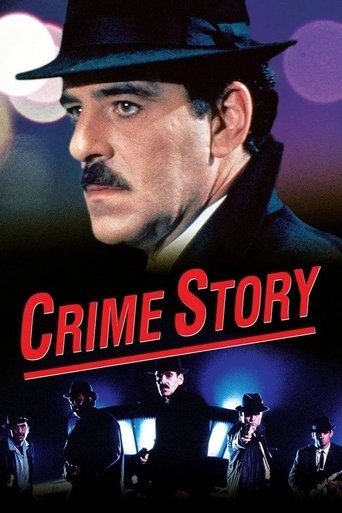
Crime Story
Classic mobster-vs-law saga; shares organized crime and Italian-American mob DNA but period setting and cop-POV shift the tone.
How Good Is Tulsa King?
Ratings across IMDb and TMDB, plus our verdict.
Where to Watch Tulsa King
Streaming, rental, and purchase options across 40+ countries.
United States
USStream
5 Paramount Plus Premium
 Paramount Plus Essential
 Paramount Plus Apple TV channel
 Paramount+ Amazon Channel
 Paramount+ Roku Premium Channel
Free with Ads
3Paramount Plus PremiumParamount Plus EssentialParamount Plus Apple TV channelBuy
6 Amazon Video
 Apple TV Store
 Fandango At Home
 Barnes & Noble
 Amazon DVD / Blu-ray
 Zavvi
ZavviAvailable in 78 countries
Frequently asked about Tulsa King
Common questions people search for, with answers written by us at MoviesPack.
Why does the Invernizzi crime family send Dwight Manfredi to Tulsa instead of killing him?
After spending 25 years in prison without breaking omerta, Dwight is seen as both loyal and dangerous — too connected and too respected to simply eliminate. Don Chickie Invernizzi exiles him to Tulsa as a humiliation and a way to neutralize him geographically, far from the New York family's power base. The move is also a test: if Dwight builds something useful, the family profits; if he causes trouble, they have plausible distance.
What motivates Dwight to build a criminal organization in Tulsa rather than just lying low?
Dwight's core motivation is survival and self-reinvention after realizing the family he sacrificed everything for has discarded him. He quickly understands that operating a passive racket in Tulsa gives him leverage and income, but more importantly it restores his sense of identity and purpose. His recruitment of local misfits — a weed-shop owner, a bodyguard, a former ATF agent — reflects his genuine need for loyalty and community, things the Invernizzis stripped from him.
How does Dwight's relationship with Stacy Beale complicate his situation given she is a federal agent?
Stacy is an ATF agent who is actively investigating organized crime in the region, which creates an inherent conflict of interest when she and Dwight begin a romantic relationship. Dwight knows what she does but pursues the relationship anyway, relying on a moral line he draws between being a mobster and being a violent criminal. The tension is never fully resolved — their relationship forces both characters to compartmentalize, and the show treats it as a genuine dilemma rather than a simple plot device.
What is the significance of Dwight's estrangement from his daughter Tiffany?
Tiffany represents the personal cost of Dwight's 25-year silence — she grew up without a father, built a life, and has understandable resentment toward him. His attempts to reconnect are complicated by the fact that he cannot fully leave his criminal identity behind, meaning any relationship with her exists under false pretenses. The estrangement is used throughout the show to illustrate that Dwight's loyalty to the mob code permanently damaged his private life in ways that cannot simply be undone by goodwill.
Why does the Invernizzi family eventually move against Dwight in Tulsa despite initially just wanting him out of New York?
Once Dwight begins generating real revenue and building independent alliances — including with the local motorcycle club and other Tulsa operators — he becomes a threat rather than an embarrassment. The family fears that an autonomous Dwight with his own power base could either rival them or cooperate with federal authorities to protect himself. The shift from exile to target reflects the show's theme that competence in the mob world is inherently dangerous: doing the job too well makes you a liability.
Recent Updates
New Trailer: Tulsa King
New Teaser: Tulsa King