Shows Like Better Call Saul
Six years before Saul Goodman meets Walter White. We meet him when the man who will become Saul Goodman is known as Jimmy McGill, a small-time lawyer searching for his destiny, and, more immediately, hustling to make ends meet. Working alongside, and, often, against Jimmy, is “fixer” Mike Ehrmantraut. The series tracks Jimmy’s transformation into Saul Goodman, the man who puts “criminal” in “criminal lawyer".
Ranked by shared creators, cast, themes, genre, and network — not just generic recommendations.
Breaking Bad
Same universe, same creator Vince Gilligan, shared cast; BCS is a direct prequel/spinoff of this show.
Pluribus
Created by Vince Gilligan, stars Rhea Seehorn; shares creator DNA and Albuquerque dark-comedy sensibility.
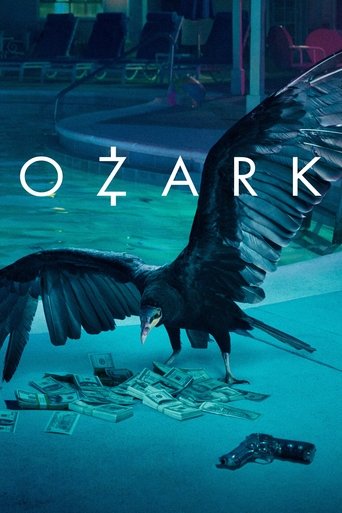
Ozark
Serialized moral-descent crime drama; ordinary person spiraling into cartel entanglement, same slow-burn tone.
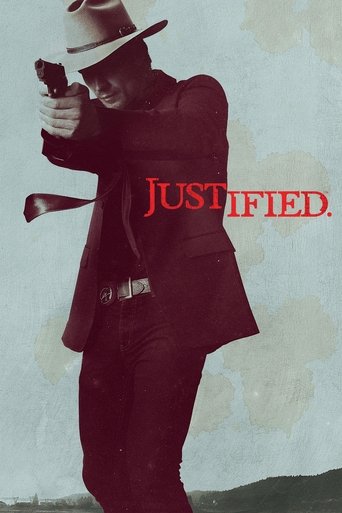
Justified
Neo-western crime drama with a morally complex lead, sharp writing, and darkly comic undertones.
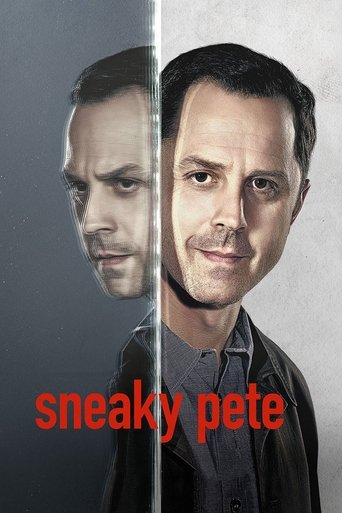
Sneaky Pete
Bryan Cranston co-created; serialized con-man drama, slow burn, morally grey protagonist under cartel-level pressure.
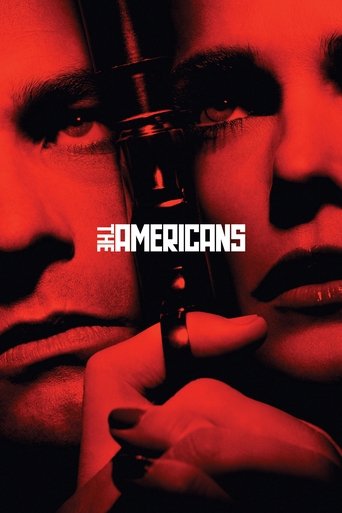
The Americans
Prestige serialized crime drama; dual-life protagonist, moral erosion over seasons, critically acclaimed peer.

Mr Inbetween
Crime drama with dark comedy, morally complex criminal lead juggling family and violence; gritty and introspective.
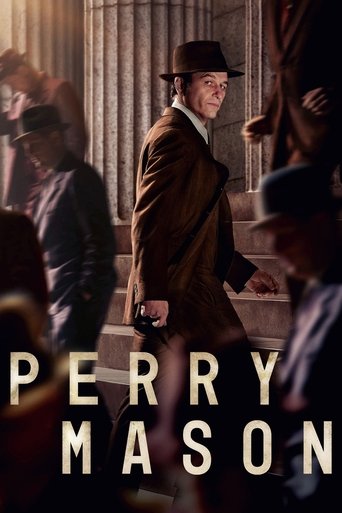
Perry Mason
Neo-noir origin-story legal drama; morally compromised lawyer protagonist, serialized, prestige production.
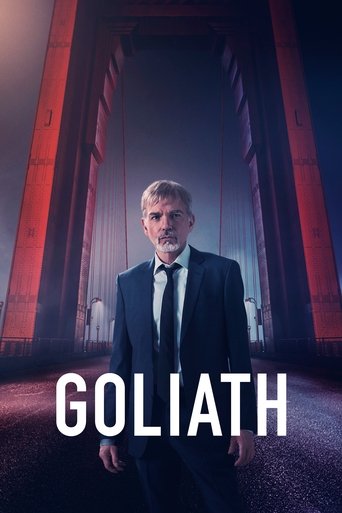
Goliath
Burned-out criminal defense lawyer fights powerful forces; serialized legal drama with dark comedy and moral weight.
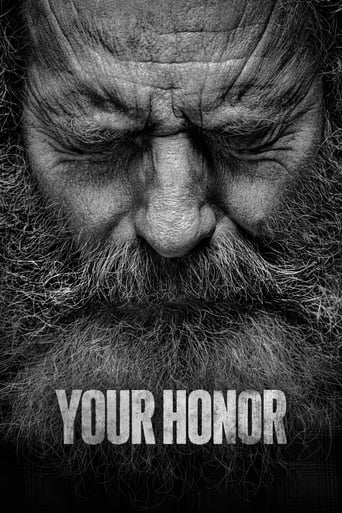
Your Honor
Judge entangled with organized crime, starring Bryan Cranston; legal thriller with moral spiral, same audience.
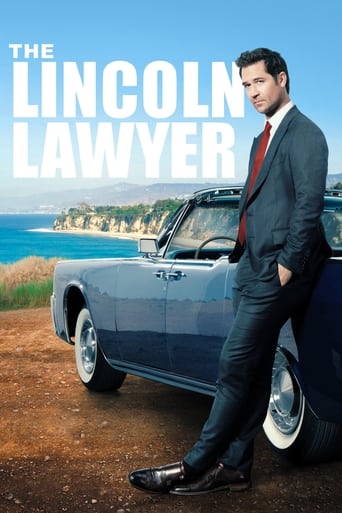
The Lincoln Lawyer
Serialized criminal defense lawyer drama; witty, morally flexible protagonist navigating the criminal justice system.
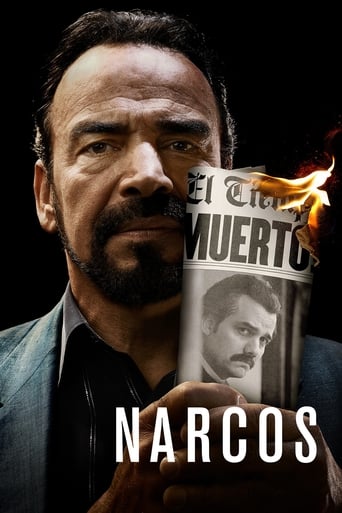
Narcos
Mexican/Colombian cartel world depicted with gritty realism; overlapping criminal underworld audience.
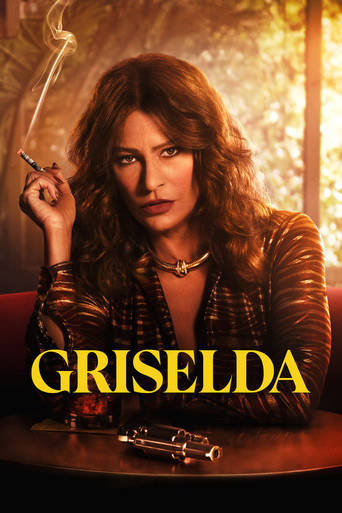
Griselda
Serialized cartel crime drama, gritty slow-burn, prestige production; shares criminal-empire-building theme.
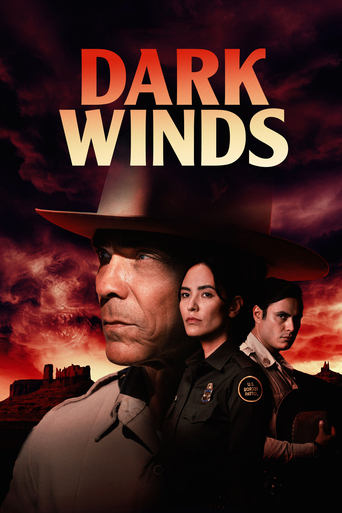
Dark Winds
New Mexico-set gritty crime drama; shares Southwest setting, serialized mystery, and morally complex characters.

Animal Kingdom
Serialized crime-family drama; morally grey characters, slow escalation, same prestige-crime audience.
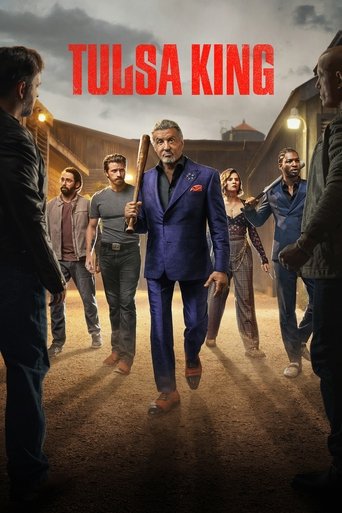
Tulsa King
Neo-western mob dramedy; fish-out-of-water criminal building a crew, shares dark comedy and crime-drama tone.
Mayans M.C.
Spinoff serialized crime drama set on the US/Mexico border; cartel entanglement, moral descent, serialized arcs.
The Penguin
Character-study spinoff following a villain's rise to power; fall-from-grace arc, serialized, dark crime tone.
Damages
Serialized legal thriller with a ruthless protagonist; moral ambiguity and mentor/protégé tension in a legal context.

Vincenzo
Dark-comedy crime drama with a mafia lawyer protagonist; shares tone, moral flexibility, and genre mix.
How Good Is Better Call Saul?
Ratings across IMDb and TMDB, plus our verdict.
Where to Watch Better Call Saul
Streaming, rental, and purchase options across 40+ countries.
United States
USStream
2 Netflix
 Netflix Standard with Ads
Buy
5 Fandango At Home
 Amazon Video
 Apple TV Store
 Barnes & Noble
 Amazon DVD / Blu-ray
Available in 129 countries
Frequently asked about Better Call Saul
Common questions people search for, with answers written by us at MoviesPack.
Why does Jimmy McGill become Saul Goodman instead of staying a legitimate lawyer?
Jimmy's transformation is driven by a combination of his brother Chuck's systematic sabotage and Jimmy's own inability to suppress his con-artist instincts. Chuck, a respected senior partner, secretly blocks Jimmy from joining his firm HHM and engineers his disbarment, believing Jimmy is fundamentally dishonest and will corrupt the legal profession. Rather than conquering his nature, Jimmy ultimately leans into it — adopting the Saul Goodman persona as both a shield and an expression of who he always was beneath his attempts at respectability.
What really happened between Jimmy and his brother Chuck, and who was more at fault?
Chuck McGill harbored deep resentment toward Jimmy rooted in a long-standing belief that Jimmy was a lifelong grifter who had never truly changed, and he used his legal authority to derail Jimmy's career at every turn — most damagingly by orchestrating the Mesa Verde document tampering case to have Jimmy disbarred. Jimmy did genuinely manipulate evidence in that case, but Chuck's sabotage predated that act and was motivated by jealousy and a paternalistic certainty that Jimmy didn't deserve success. Both men caused each other real harm, and the tragedy is that Chuck's rejection became a self-fulfilling prophecy — pushing Jimmy further toward the criminal path Chuck always feared.
What is the significance of the black-and-white flash-forward scenes with Gene Takavic?
The Gene scenes take place after the events of Breaking Bad and show Saul Goodman living under a new identity as a Cinnabon manager in Omaha, Nebraska — a life of paranoid, colorless anonymity that represents the consequence of all his choices. These scenes frame the entire series as a kind of retrospective tragedy, with Gene/Jimmy unable to fully abandon his con-man instincts even while hiding. The color returning only at the very end, in prison, suggests that Jimmy's final act of honesty — confessing fully in court and abandoning the Saul persona — is the first moment of genuine selfhood he has allowed himself in years.
How does Kim Wexler's arc end, and why does she leave Jimmy?
Kim leaves Jimmy after the death of Howard Hamlin, which she and Jimmy's scheming directly caused — their elaborate plot to destroy Howard's reputation led to him being in the wrong place at the wrong time when Lalo Salamanca killed him. Kim is haunted by the realization that she didn't feel guilty during the scheme and actually enjoyed it, suggesting she is more like Jimmy than she wanted to believe. She breaks off their relationship and marriage not purely out of guilt but because she fears what she becomes when she is with him — and in the finale she returns to testify against him, a painful act of accountability that partially redeems both of them.
Why does Lalo Salamanca become so fixated on Gus Fring, and what is he trying to prove?
Lalo suspects from early on that Gus Fring is secretly building a methamphetamine superlab and operating as a major drug distributor behind the cover of his Los Pollos Hermanos restaurants — a theory the rest of the cartel dismisses as paranoia. His obsession is driven partly by pride and instinct, as he is a sharp and intuitive operator who cannot accept being deceived, and partly by loyalty to the Salamanca family whose power Gus is quietly undermining. Lalo ultimately dies in the superlab itself, killed by Gus, which is darkly ironic — he found the proof he was looking for but could not live to use it.
Recent Updates
New Teaser: Better Call Saul
New Trailer: Better Call Saul