Shows Like The West Wing
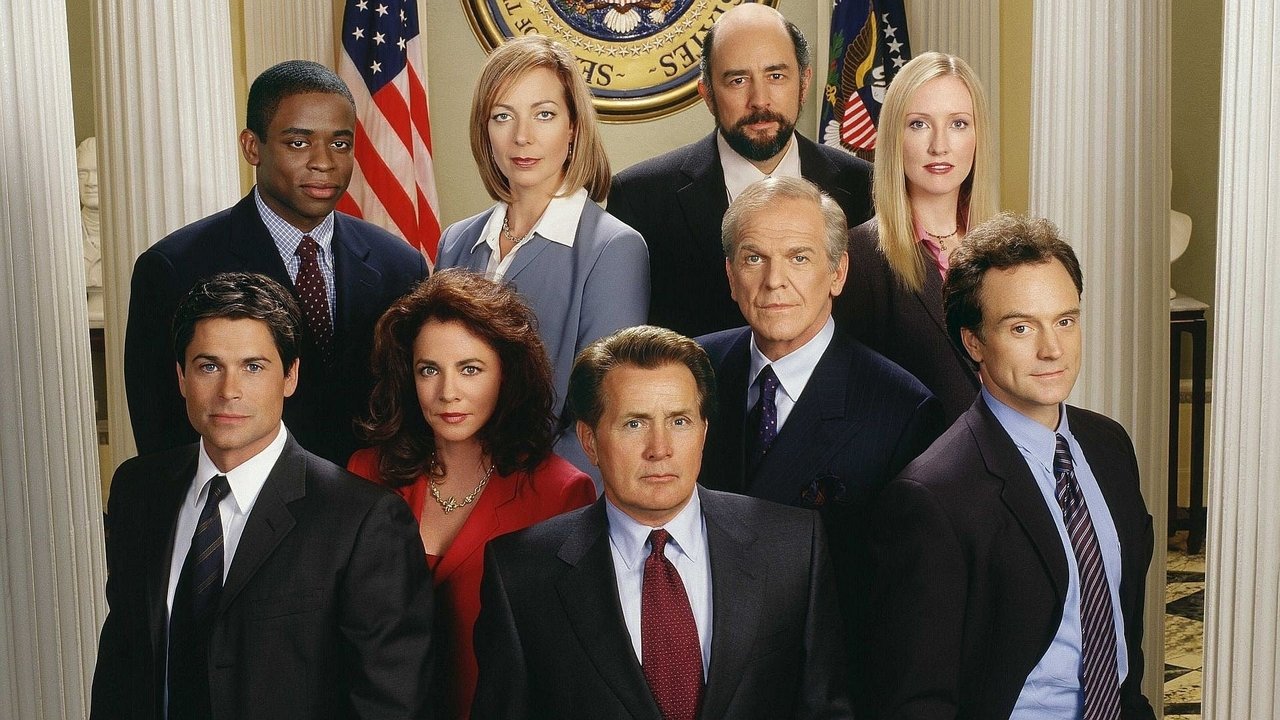
The West Wing provides a glimpse into presidential politics in the nation's capital as it tells the stories of the members of a fictional presidential administration. These interesting characters have humor and dedication that touches the heart while the politics that they discuss touch on everyday life.
Ranked by shared creators, cast, themes, genre, and network — not just generic recommendations.

Sports Night
Aaron Sorkin's pre-West Wing ensemble drama; same walk-and-talk style, rapid wit, and moral idealism.
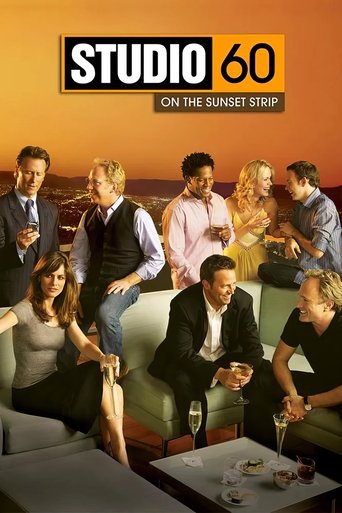
Studio 60 on the Sunset Strip
Aaron Sorkin + Bradley Whitford reunited; identical creative DNA — fast dialogue, idealism, ensemble pressure-cooker.

The Newsroom
Aaron Sorkin's HBO drama; same walk-and-talk idealism transplanted to a cable news bullpen.
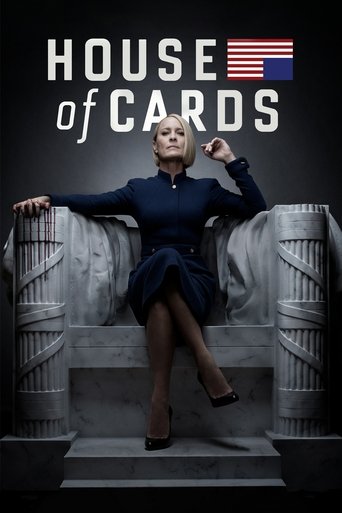
House of Cards
Prestige White House political drama; darker, cynical mirror to West Wing's idealism. Core Washington DC audience.
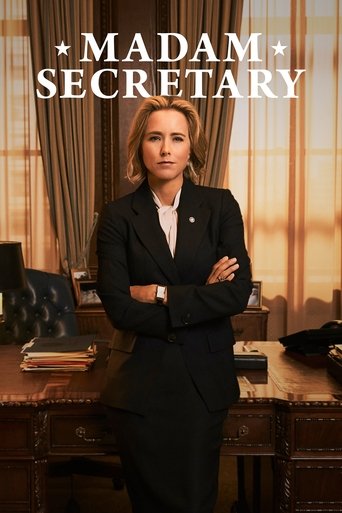
Madam Secretary
Idealistic senior official navigating DC politics and global crises; shares West Wing's earnest, competent-protagonist tone.
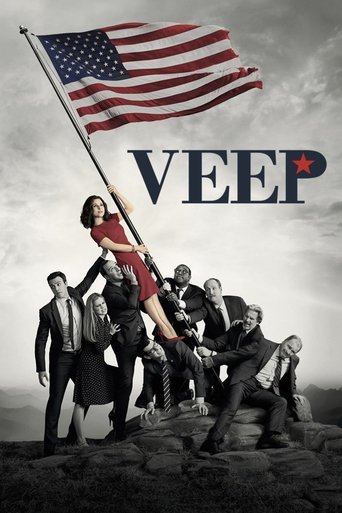
Veep
Satirical White House ensemble; fast-paced political shop-talk and dysfunctional staffers — comedic inverse of West Wing.

Scandal
White House political drama with overlapping cast (Joshua Malina); Washington DC power struggles, crises, and fixers.
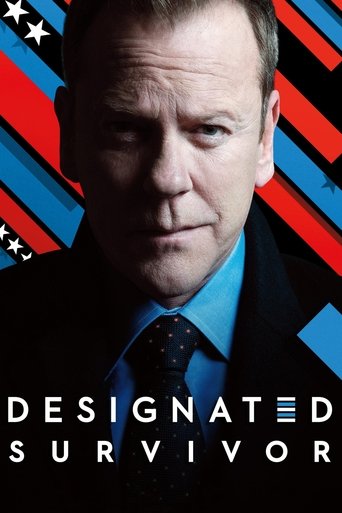
Designated Survivor
Sudden-president governance drama; Oval Office procedural with earnest leader navigating DC politics under pressure.
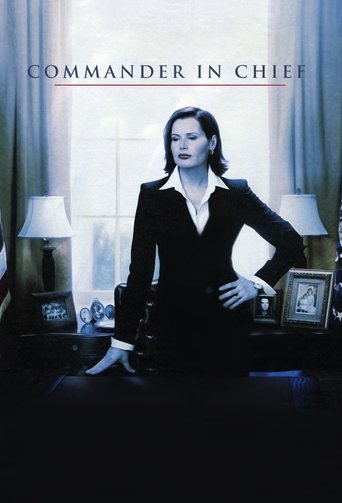
Commander in Chief
First female president drama; West Wing-style White House governance and political idealism, same era and tone.
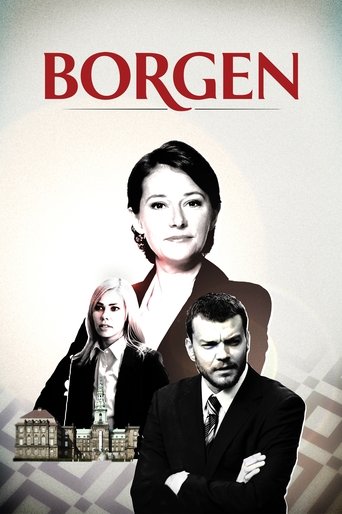
Borgen
Danish PM drama praised as the European West Wing; idealistic leader, coalition politics, ensemble staff dynamics.
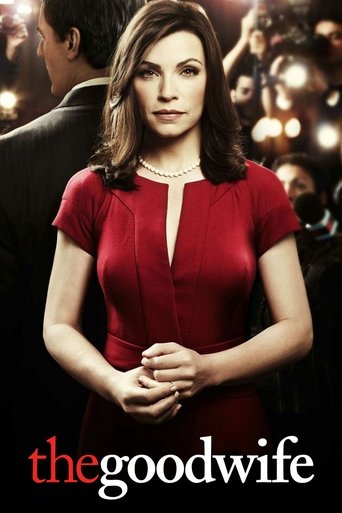
The Good Wife
Washington/Chicago political-legal drama with moral complexity; shares West Wing's smart, dialogue-driven ensemble appeal.

Homeland
National security thriller intersecting with White House and presidential politics; serious, prestige drama tone.
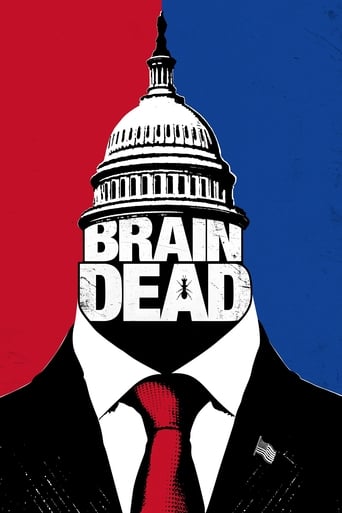
BrainDead
Washington DC Hill staffers, government dysfunction satire; same political setting with genre-bending twist.

The Comey Rule
Real White House political drama focusing on integrity vs. power; shares West Wing's earnest-official-in-crisis theme.
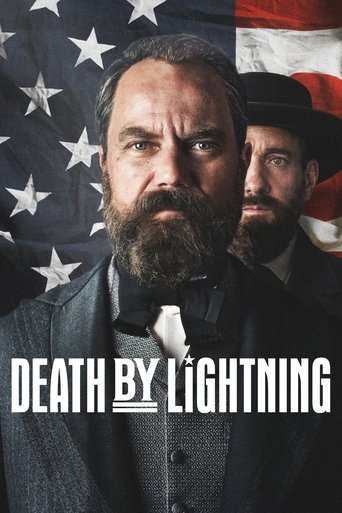
Death by Lightning
Presidential history miniseries starring Bradley Whitford; political drama exploring power, idealism, and American presidency.
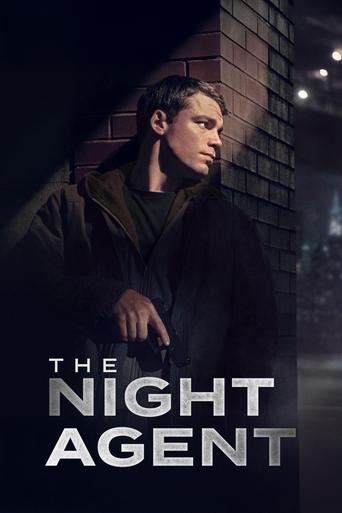
The Night Agent
White House–centered conspiracy thriller; West Wing setting with action-thriller execution for overlap audience.

Pearson
Power lawyer navigates Chicago city-hall politics; shares the competent-outsider-in-government-power theme.
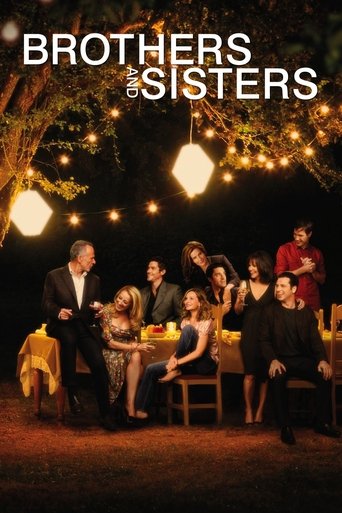
Brothers and Sisters
Political family drama with a senator storyline; shares ensemble cast drama and moral idealism, lighter political element.
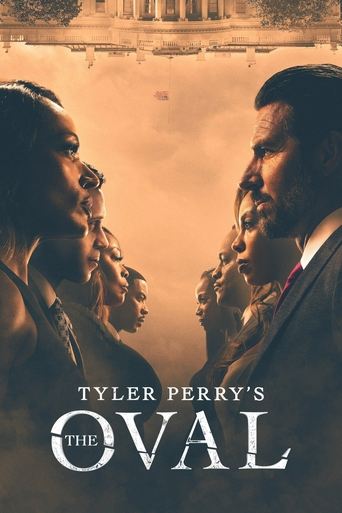
Tyler Perry's The Oval
White House drama setting with first family intrigue; superficially similar premise, soap-opera execution.

Parks and Recreation
Idealistic public servant comedy; shares West Wing's belief in government doing good, lighter tone for crossover fans.
How Good Is The West Wing?
Ratings across IMDb and TMDB, plus our verdict.
Where to Watch The West Wing
Streaming, rental, and purchase options across 40+ countries.
United States
USStream
4 Netflix
 HBO Max Amazon Channel
 Netflix Standard with Ads
 HBO Max
Buy
4 Apple TV Store
 Amazon Video
 Fandango At Home
 Amazon DVD / Blu-ray
Available in 24 countries
Frequently asked about The West Wing
Common questions people search for, with answers written by us at MoviesPack.
Why does President Bartlet hide his MS diagnosis for so long?
Bartlet was diagnosed with a relapsing-remitting form of multiple sclerosis before he ran for president, and he chose not to disclose it out of fear it would end his political career before it began. He and a small circle of aides decided the condition was manageable enough that it wouldn't impair his ability to serve. The cover-up becomes a major ethical crisis in Season 2 when the truth finally surfaces, forcing Bartlet to face whether he defrauded voters by concealing the diagnosis.
What leads President Bartlet to order the assassination of Shareef, and why is it morally significant?
Bartlet orders the extrajudicial killing of Qumari Defense Minister Abdul Shareef after intelligence confirms he financed a domestic terrorist plot, but Shareef cannot be prosecuted through legal channels because doing so would destabilize a fragile US-Qumari relationship. The decision haunts Bartlet because it represents a president acting as judge, jury, and executioner outside any legal framework. The show frames it as a genuine moral tragedy rather than a clear-cut victory, and Bartlet confesses the act to his priest, framing it as a sin he knowingly committed.
What is the significance of Bartlet's 'What is the next right thing?' decision at the end of Season 4?
After Zoey Bartlet is kidnapped, President Bartlet invokes the 25th Amendment and temporarily cedes power to Republican Speaker of the House Glen Allen Walken, removing himself because he fears his personal anguish over his daughter would compromise his judgment. This act is portrayed as one of Bartlet's most selfless moments — prioritizing the country's welfare over his own authority. It also raises the dramatic question of whether a president can truly be impartial when his family is threatened, a tension the show never fully resolves.
Why does Leo McGarry's past addiction become such a defining storyline?
Leo's history of alcohol and prescription drug addiction is weaponized against the administration when it leaks to the press, forcing the White House to decide whether to stand by him or distance themselves politically. Bartlet's unconditional defense of Leo is meant to illustrate the depth of their friendship and Bartlet's personal loyalty, but it also raises questions about whether the president is protecting a friend at the expense of transparency. Leo's arc argues that recovery and public service are not mutually exclusive, though the show acknowledges the political cost of that position.
How does the show resolve the tension between Toby Ziegler's idealism and the compromises of real governance?
Toby serves as the administration's moral conscience throughout the series, consistently pushing Bartlet toward bolder, more principled positions even when they are politically costly. His arc ends in tragedy when he leaks classified information about a secret military shuttle to save the lives of astronauts, an act of conscience that gets him fired and charged with a federal crime. Bartlet ultimately pardons him off-screen, but the resolution is deliberately unsatisfying — the show suggests that pure idealism inside a political system will always collide with institutional loyalty, and the cost is personal ruin.
Recent Updates
New Trailer: The West Wing
New Trailer: The Bridges of Madison County