
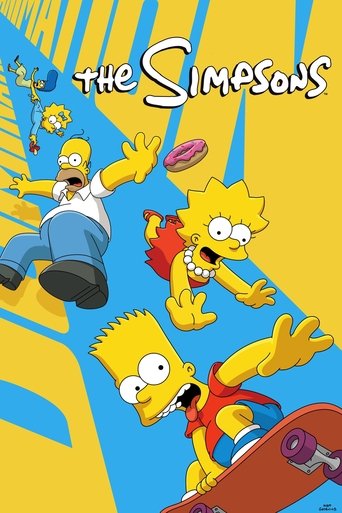
Shows Like The Simpsons
Set in Springfield, the average American town, the show focuses on the antics and everyday adventures of the Simpson family; Homer, Marge, Bart, Lisa and Maggie, as well as a virtual cast of thousands. Since the beginning, the series has been a pop culture icon, attracting hundreds of celebrities to guest star. The show has also made name for itself in its fearless satirical take on politics, media and American life in general.
Ranked by shared creators, cast, themes, genre, and network — not just generic recommendations.
The Tracey Ullman Show
The Simpsons debuted as animated shorts on this show; shares Dan Castellaneta and Julie Kavner before spin-off.
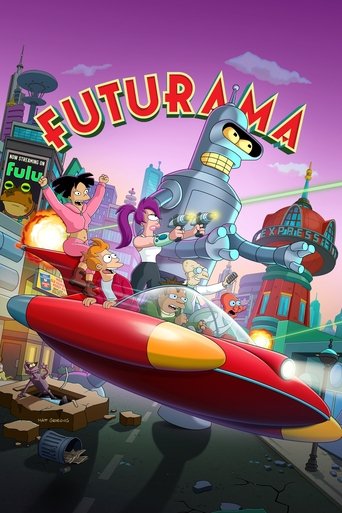
Futurama
Created by Matt Groening; same adult animated comedy DNA, social satire, and ensemble voice cast overlap.
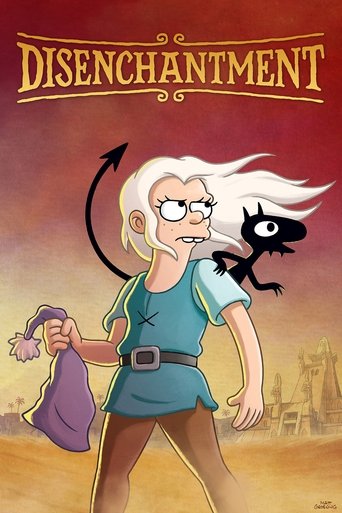
Disenchantment
Third Matt Groening series; shares adult animated tone, absurdist humor, and several returning voice actors.
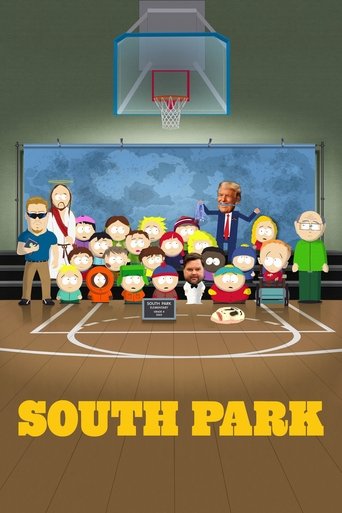
South Park
Animated, school-age kids, relentless social and political satire, adult audience — the closest tonal rival.
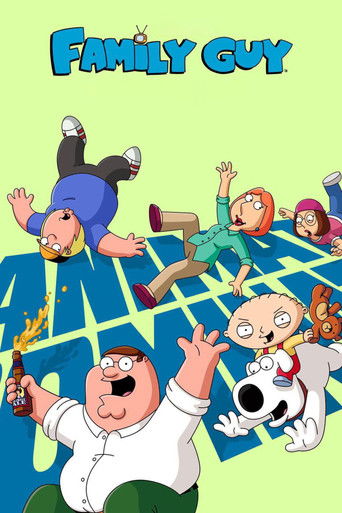
Family Guy
Dysfunctional animated family sitcom, adult humor, social satire; directly modeled on The Simpsons formula.

King of the Hill
Adult animated family sitcom set in middle America; same primetime Fox block, grounded satirical humor.
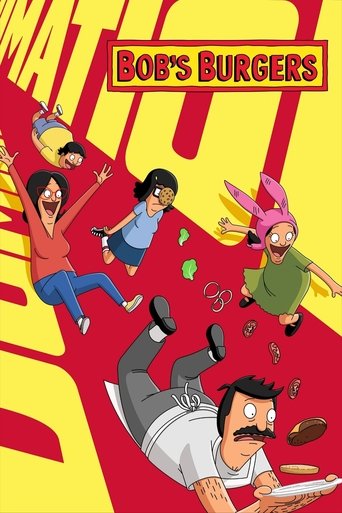
Bob's Burgers
Animated dysfunctional family sitcom, warm adult humor, primetime Fox Animation Sunday — direct shelf neighbor.
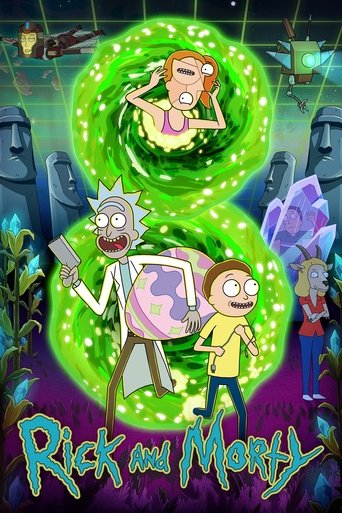
Rick and Morty
Adult animated family with sharp social satire and irreverent humor; dysfunctional multi-generational dynamic.
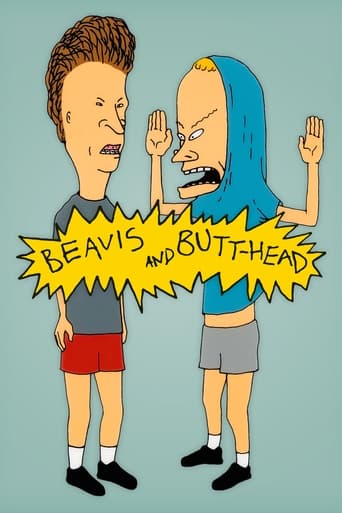
Beavis and Butt-Head
Adult animation satirizing American culture and media; same 1990s primetime adult-animation wave.
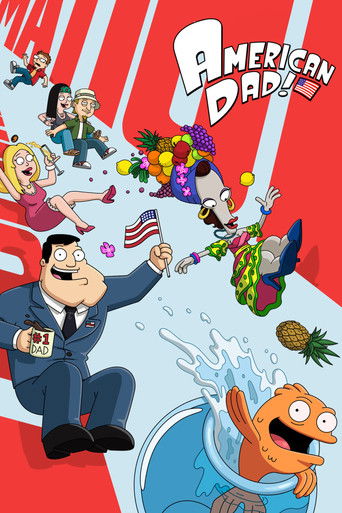
American Dad!
Seth MacFarlane adult animated family sitcom with social satire; inhabits same Fox Animation Sunday slot.
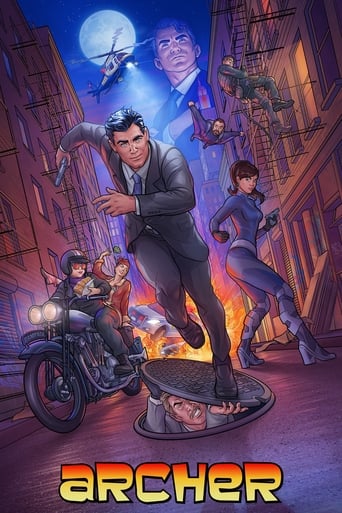
Archer
Adult animated comedy with razor-sharp social satire, pop-culture parody, and devoted adult audience.
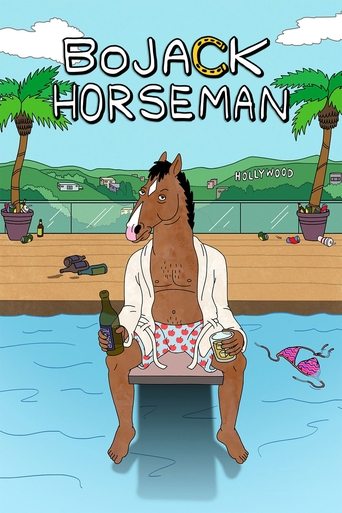
BoJack Horseman
Adult animated satire of American culture and celebrity; dysfunctional characters, dark humor beneath comedy.
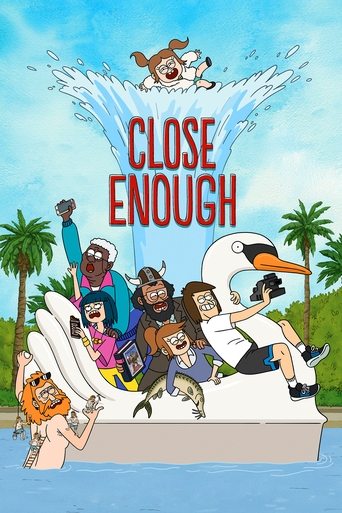
Close Enough
Adult animated family sitcom with surreal humor; shares dysfunctional-family-navigating-suburban-life premise.

Bless the Harts
Adult animated family struggling for the American dream; working-class humor mirrors The Simpsons' core premise.

The Cleveland Show
Seth MacFarlane adult animated family spin-off; blended family sitcom with social commentary.
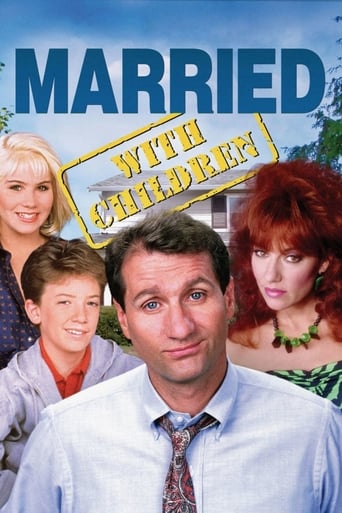
Married... with Children
Dysfunctional working-class family sitcom that premiered alongside The Simpsons on Fox; shared satirical DNA.
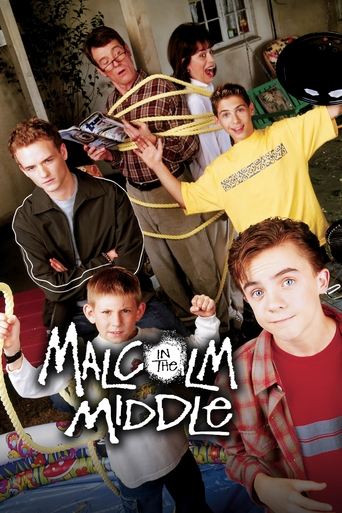
Malcolm in the Middle
Dysfunctional middle-class family sitcom with sharp social satire; shares gifted-kid-in-chaotic-home premise.
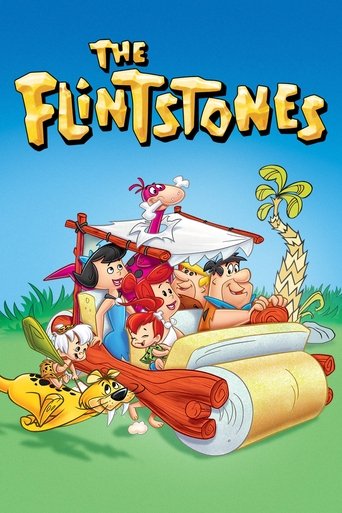
The Flintstones
The animated family sitcom The Simpsons directly descended from; same nuclear-family-in-town-setting template.
Animaniacs
Animated comedy with adult-layered parody and satire; shares ensemble cast and subversive pop-culture humor.
The Addams Family
Satirical inversion of the perfect American nuclear family in sitcom form; tonal ancestor The Simpsons echoes.
How Good Is The Simpsons?
Ratings across IMDb and TMDB, plus our verdict.
Where to Watch The Simpsons
Streaming, rental, and purchase options across 40+ countries.
United States
USStream
6 Disney Plus
 fuboTV
 YouTube TV
 FXNow
FXNow Hulu
Hulu FOX One Amazon Channel
Buy
5 Apple TV Store
 Amazon Video
 Fandango At Home
 Amazon DVD / Blu-ray
 Barnes & Noble
Available in 73 countries
Frequently asked about The Simpsons
Common questions people search for, with answers written by us at MoviesPack.
Why does Homer Simpson keep his job at the nuclear power plant despite being wildly incompetent?
Mr. Burns retains Homer largely because Homer's blunders are consistently survivable — Burns values cheap, exploitable labor over competence, and Homer's union membership makes dismissal legally complicated. Several episodes also reveal that Homer has accidentally stumbled into outcomes that benefit the plant, making Burns reluctant to let him go entirely. The show frames this as a satire of how large institutions reward loyalty and inertia over merit.
What is the significance of Maggie Simpson shooting Mr. Burns in the season 6 cliffhanger 'Who Shot Mr. Burns?'
Maggie shot Burns accidentally after he reached into her stroller and inadvertently took her lollipop while fumbling for his own fallen item — the shooting was not a deliberate act of vengeance. The clue was embedded in an anagram Burns muttered while falling ('SEMPs' rearranged to name the shooter), but the resolution deliberately subverted expectations by making the culprit the least likely suspect. The storyline parody-highlighted the then-cultural phenomenon of prime-time mystery cliffhangers like Dallas's 'Who Shot J.R.?'
Why does Bart Simpson call Homer by his first name rather than 'Dad' in early episodes?
In the earliest seasons, Bart frequently called Homer 'Homer' as a way of establishing his irreverent, anti-authority personality and signaling that their relationship was unusually peer-like rather than traditionally paternal. The writers used it to underscore Bart's refusal to conform to conventional family roles. As the series matured and Homer's emotional depth grew, Bart shifted predominantly to calling him 'Dad,' reflecting a subtle softening of the dynamic.
What is the backstory behind the recurring mystery of who actually built Springfield and why its geography is intentionally inconsistent?
Springfield's founding is explored in episodes like 'Marge vs. the Monorail' and various flashback segments, which attribute the town's origins to a pair of settlers — Jebediah Springfield and Shelbyville Manhattan — who split over a disagreement about cousin marriage and founded rival towns. The town's deliberately contradictory geography (placed in different U.S. states depending on the episode) is an intentional creative choice by Matt Groening to keep Springfield a universal stand-in for any American town rather than a specific real location. This ambiguity has been confirmed by the writers as purposeful, with the location described as 'any state but not a specific one.'
What happened to Sideshow Bob's redemption arc and why does he keep returning to villainy?
Sideshow Bob (Robert Underdunk Terwilliger Jr.) repeatedly attempts genuine rehabilitation — he marries, has a son, and at several points appears to have left his obsession with Bart behind — but the show consistently resets him to antagonist status because his humiliation at Bart's hands and his own overweening ego make lasting change impossible for him. Episodes such as 'Sideshow Bob's Last Gleaming' and 'The Bob Next Door' show that even when Bob pursues legitimate goals, he cannot resist pivoting to murderous revenge the moment Bart is involved. His arc is a dark-comedy meditation on recidivism and the idea that some people are defined entirely by their grudges.
Recent Updates
New Trailer: The Simpsons