Shows Like Star Trek
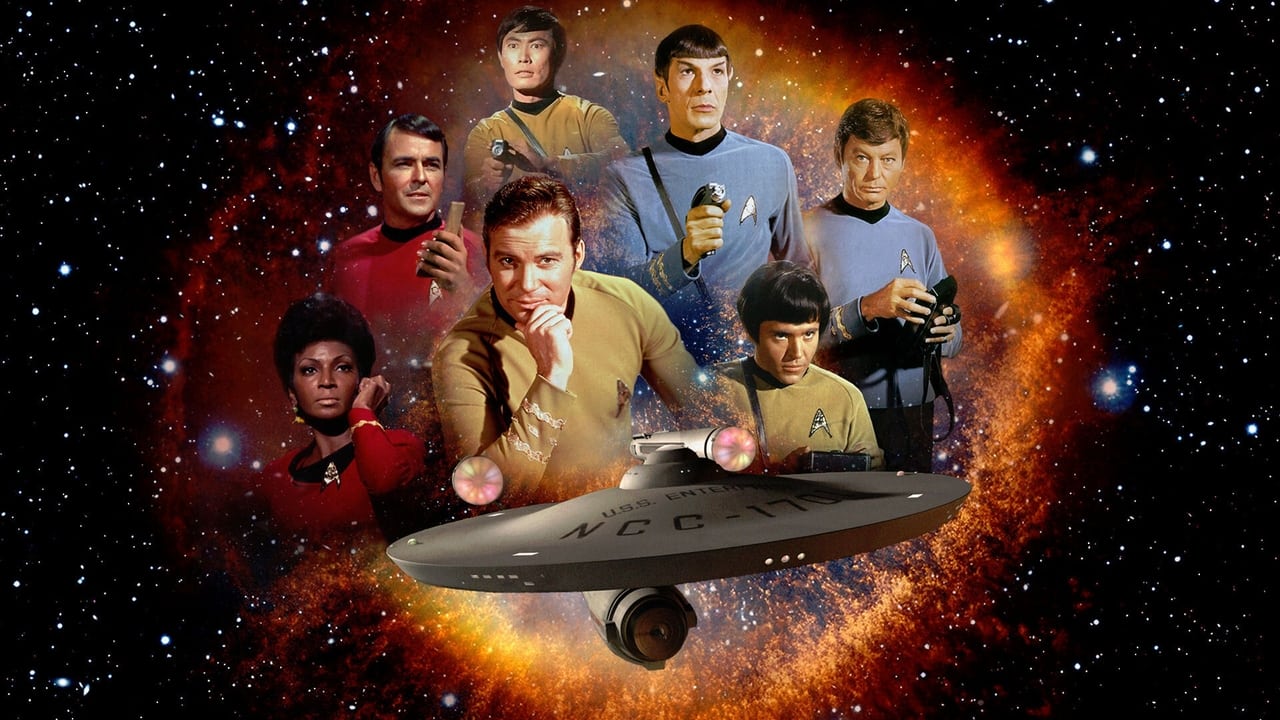
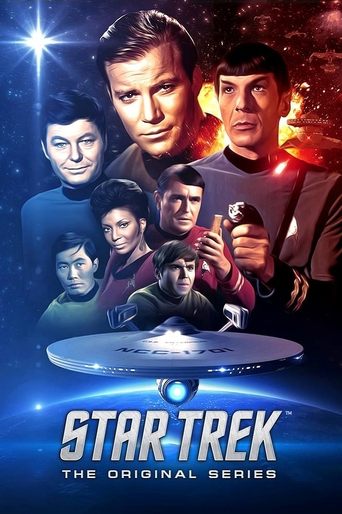
Space. The Final Frontier. The U.S.S. Enterprise embarks on a five year mission to explore the galaxy. The Enterprise is under the command of Captain James T. Kirk with First Officer Mr. Spock, from the planet Vulcan. With a determined crew, the Enterprise encounters Klingons, Romulans, time paradoxes, tribbles and genetic supermen led by Khan Noonian Singh. Their mission is to explore strange new worlds, to seek new life and new civilizations, and to boldly go where no man has gone before.
Ranked by shared creators, cast, themes, genre, and network — not just generic recommendations.
Star Trek: The Next Generation
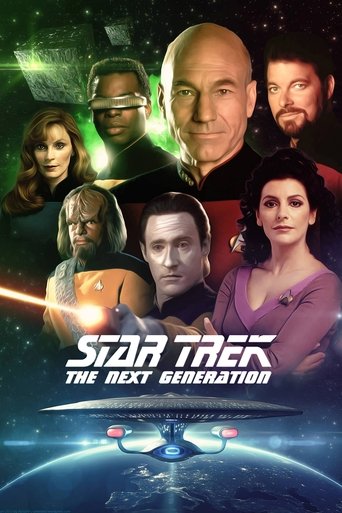
Same franchise, same creator Roddenberry, same Starfleet/Federation universe set a century later.
Star Trek: Deep Space Nine
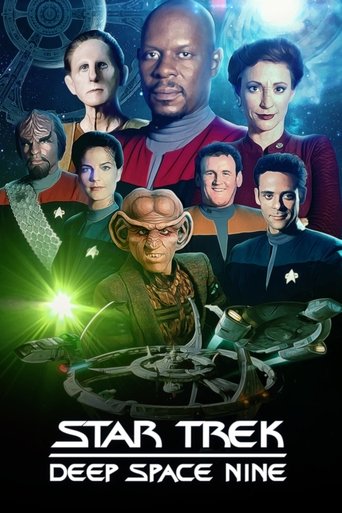
Core Trek franchise; shares universe, themes, characters, and the 24th-century Federation setting.
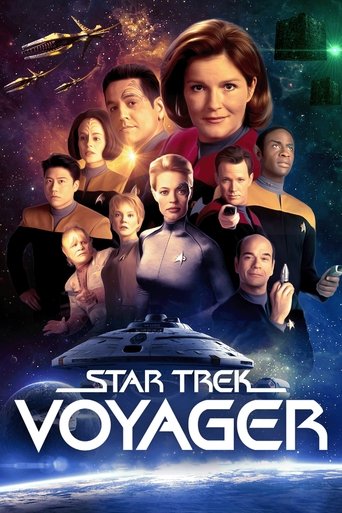
Star Trek: Voyager
Trek franchise; lost-in-space premise still delivers episodic exploration with Starfleet crew dynamics.
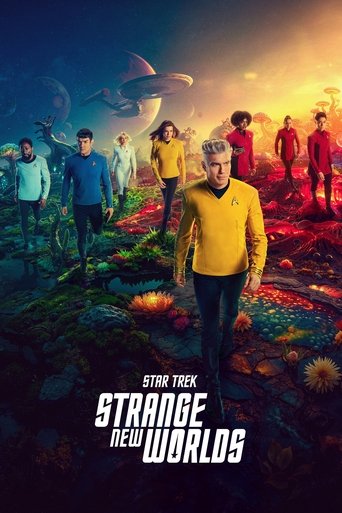
Star Trek: Strange New Worlds
Direct prequel to TOS featuring Pike, Spock, and the Enterprise in the same episodic planet-of-the-week format.
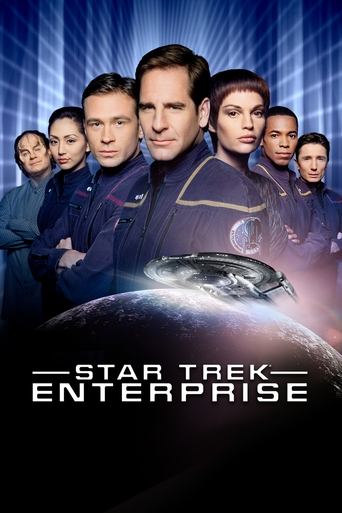
Star Trek: Enterprise
Trek franchise prequel showing the founding of Starfleet, same exploration mission and crew-drama formula.
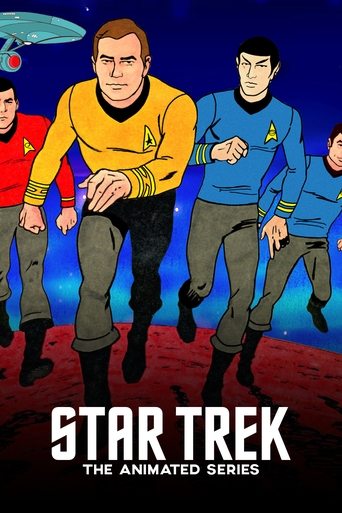
Star Trek
Animated continuation of TOS with the same cast and Roddenberry-produced fifth-year mission stories.
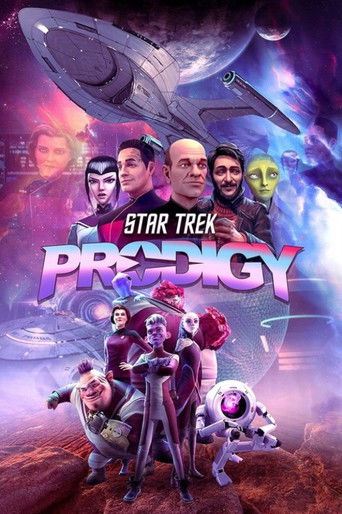
Star Trek: Prodigy
Trek franchise; young crew aboard a Starfleet vessel recaptures the exploratory spirit of TOS in animated form.
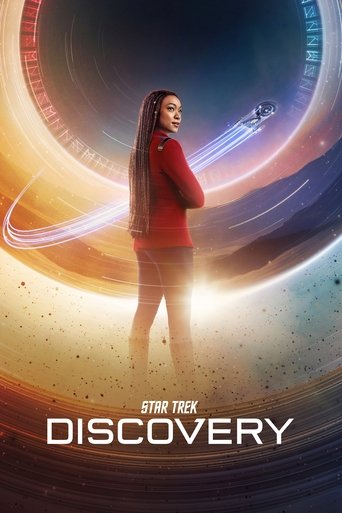
Star Trek: Discovery
Core Trek franchise; set near TOS era, same Federation lore, direct canon connections to Kirk's universe.
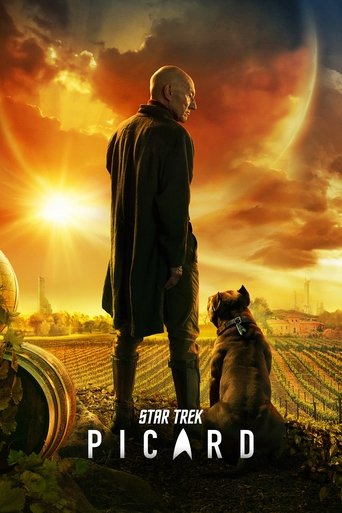
Star Trek: Picard
Core Trek franchise continuation; follows TNG's Picard in the post-Nemesis 24th-century Federation.
Earth: Final Conflict
Created by Gene Roddenberry; alien-contact and conspiracy sci-fi reflecting his humanist optimism.

Andromeda
Based on Roddenberry's notes; captain rebuilds a fallen interstellar commonwealth — clear Trek DNA.
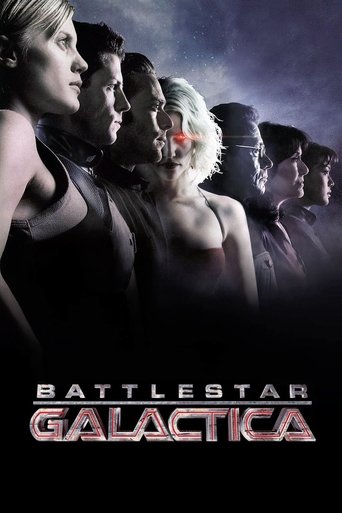
Battlestar Galactica
Prestige space-crew drama exploring humanity, identity, and survival — the serious-SF peer to Trek.
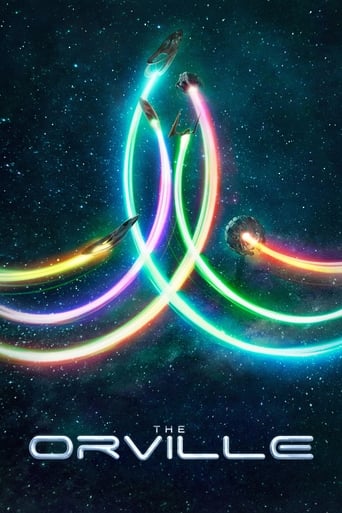
The Orville
Explicit love-letter to TOS/TNG; episodic space-exploration format with moral-dilemma storytelling.
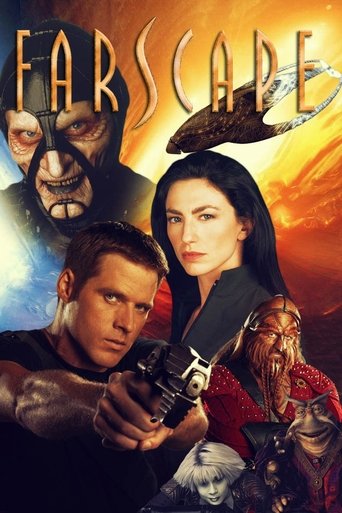
Farscape
Human lost in alien space, multicultural crew on a living ship — shares TOS's wonder and ensemble spirit.
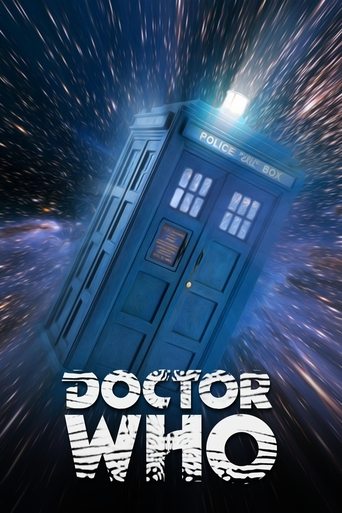
Doctor Who
Same era, same episodic format; optimistic alien traveler exploring the universe raises identical moral questions.
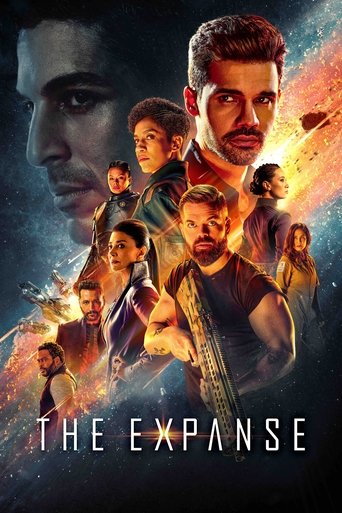
The Expanse
Hard sci-fi space-opera with political depth and a crew-driven narrative; the modern prestige Trek cousin.
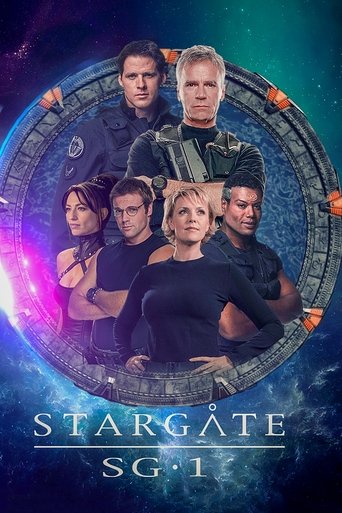
Stargate SG-1
Team-based exploratory sci-fi with a military unit visiting alien worlds each episode; tonal overlap with TOS.
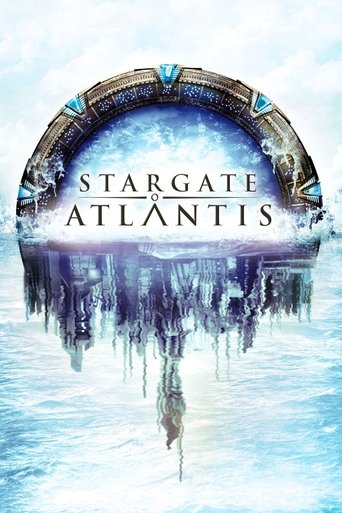
Stargate Atlantis
Expedition crew in a distant galaxy; ensemble dynamics and episodic alien-world missions echo Trek's formula.
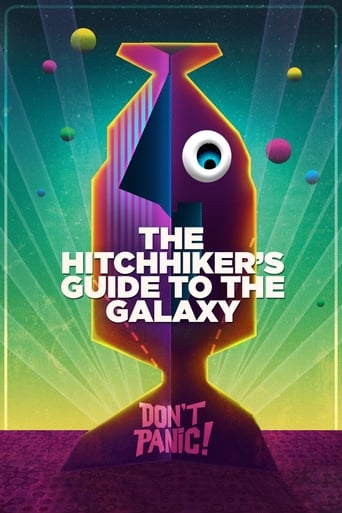
The Hitchhiker's Guide to the Galaxy
Satirical British sci-fi exploring a bizarre galaxy; shares TOS's wit and wonder, different tone.
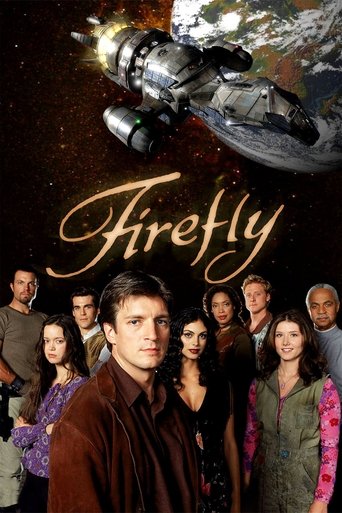
Firefly
Beloved ensemble crew on a spaceship navigating a frontier; character dynamics and fan devotion mirror Trek's.
How Good Is Star Trek?
Ratings across IMDb and TMDB, plus our verdict.
Where to Watch Star Trek
Streaming, rental, and purchase options across 40+ countries.
United States
USStream
5 Paramount Plus Premium
 Paramount Plus Essential
 Paramount Plus Apple TV channel
 Paramount+ Amazon Channel
 Paramount+ Roku Premium Channel
Free with Ads
1 Pluto TV
Buy
4 Amazon Video
 Apple TV Store
 Fandango At Home
 Amazon DVD / Blu-ray
Available in 17 countries
Frequently asked about Star Trek
Common questions people search for, with answers written by us at MoviesPack.
Why does Spock constantly suppress his emotions despite being half-human?
Spock was raised on Vulcan under a strict cultural philosophy that views emotion as a source of irrationality and conflict, with logic held as the highest virtue. His human mother Amanda and Vulcan father Sarek represent the tension he internalizes — choosing Vulcan discipline over his human half is, ironically, itself an emotional decision rooted in his desire to belong on Vulcan. This internal conflict resurfaces throughout the series, most notably when he is forced to act on feeling, revealing that his suppression is an ongoing struggle rather than a resolved state.
What is the Prime Directive and why do Kirk and his crew violate it so often?
The Prime Directive (Starfleet General Order 1) forbids interference with the natural development of pre-warp civilizations, intended to prevent the Federation from imposing its values or disrupting alien cultures. Kirk repeatedly bends or outright breaks it because he operates from a humanist moral framework — when he judges that a civilization is suffering preventable harm or has been corrupted by outside influence already, he acts. The show uses these violations as deliberate ethical debate material, with Kirk, Spock, and McCoy representing competing philosophies: pragmatic morality, strict logic, and emotional compassion.
What happened to the original USS Enterprise crew at the end of the five-year mission?
The original series concludes without showing the formal end of the five-year mission, as the show was cancelled after three seasons. The broader Star Trek canon, established in the films, reveals that the mission did eventually conclude and the crew were reassigned or promoted — Kirk was made Admiral, Spock returned to Vulcan to pursue the Kolinahr ritual of purging all emotion, and McCoy retired from Starfleet. These threads are picked up directly in Star Trek: The Motion Picture (1979).
What is the significance of the episode 'The City on the Edge of Forever' and why is Edith Keeler's death necessary?
In this episode, Kirk and Spock travel back to 1930s Earth through the Guardian of Forever and discover that social worker Edith Keeler must die in a traffic accident — if she survives, her pacifist movement delays US entry into World War II, allowing Nazi Germany to develop the atomic bomb first and win the war, erasing the future the Federation exists within. Kirk falls in love with Keeler, making the moment he allows her death one of the most emotionally devastating in the series. The episode explores the paradox of moral sacrifice: doing the right thing for the universe requires Kirk to commit what feels like a personal act of cruelty.
What is the nature of the Q Continuum introduced in the franchise, and how does it connect back to Roddenberry's original themes?
The Q Continuum is an omnipotent extradimensional collective of beings who exist outside normal space-time, first introduced in Star Trek: The Next Generation but rooted in Roddenberry's recurring interest in god-like entities judging humanity — a theme present in the original series in episodes like 'Where No Man Has Gone Before' and 'Errand of Mercy.' Roddenberry believed humanity was on trial, perpetually being tested to prove it had outgrown its violent, irrational past and was worthy of exploring the cosmos. Q literalizes this metaphor, positioning the Enterprise crew — and humanity — as defendants whose behavior across the series constitutes the evidence.
Recent Updates
New Trailer: Live and Let Die
Live and Let Die now streaming on YouTube (FR)
Live and Let Die now streaming on Google Play Movies (FR)
Live and Let Die now streaming on Pathé Home (FR)
Live and Let Die now streaming on Rakuten TV (FR)