Shows Like Squid Game
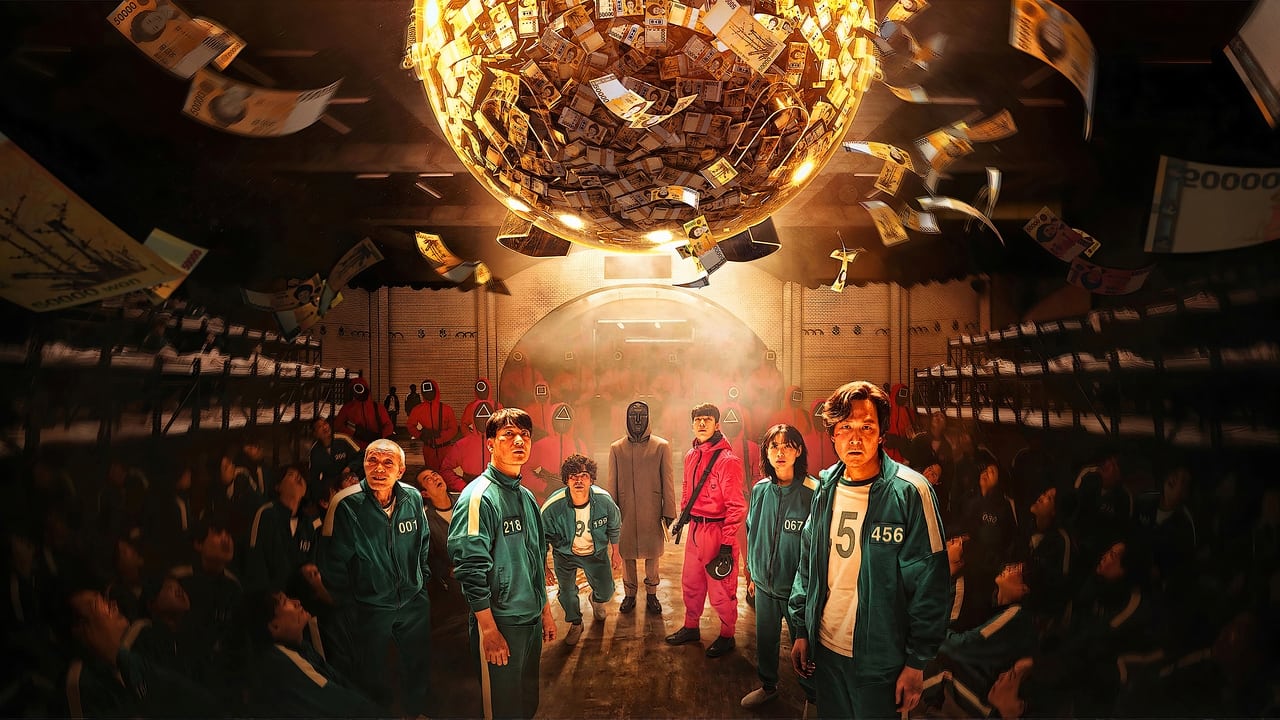
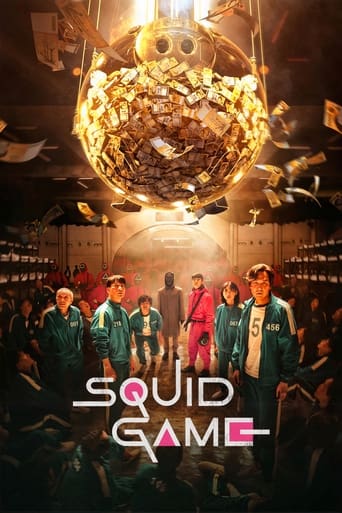
Hundreds of cash-strapped players accept a strange invitation to compete in children's games. Inside, a tempting prize awaits — with deadly high stakes.
Ranked by shared creators, cast, themes, genre, and network — not just generic recommendations.

Squid Game: The Challenge
Official reality spinoff recreating Squid Game's children's games with 456 real contestants competing for $4.56M.

Alice in Borderland
Players trapped in deserted Tokyo forced into deadly multi-stage games with their lives as the stake — closest structural twin.

The 8 Show
Eight debt-ridden strangers locked in a building earning money by prolonging a deadly show — Korean, same cash-desperation premise.
Most Dangerous Game
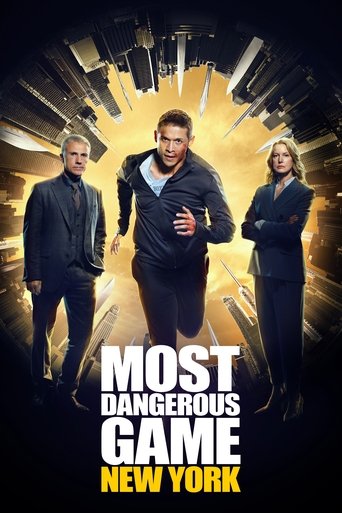
Terminal patient accepts a deadly game where he's hunted for prize money — death-game survival with a ticking-clock twist.

Panic
Small-town graduates risk their lives each summer in escalating deadly challenges for life-changing prize money.

3%
Brazilian dystopian series: only 3% of candidates pass brutal elimination trials to reach an elite utopia — pure death-game structure.

Sweet Home
Korean Netflix survival thriller — isolated residents fight monstrous transformations; same director of tension, Korean ensemble desperation.
Busted!
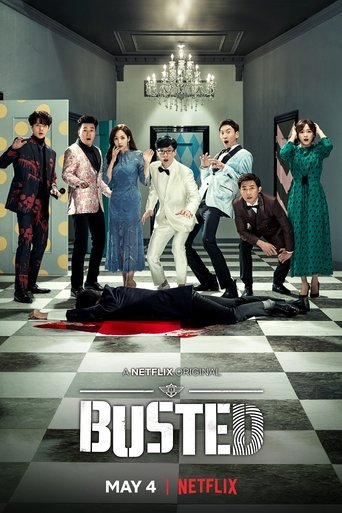
Korean game-mystery variety show with real stakes and puzzle-solving; shares the playful-game-with-consequences Korean format DNA.
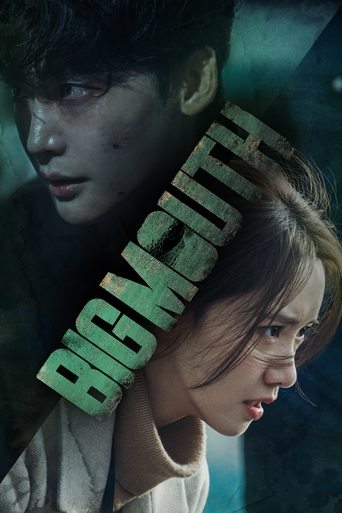
Big Mouth
Korean thriller where an ordinary man must survive a deadly conspiracy inside a power structure — desperate survival, social critique.

Bad Guys
Korean ensemble of criminals deployed in high-risk missions; shares Squid Game's morally grey group dynamics and visceral tension.
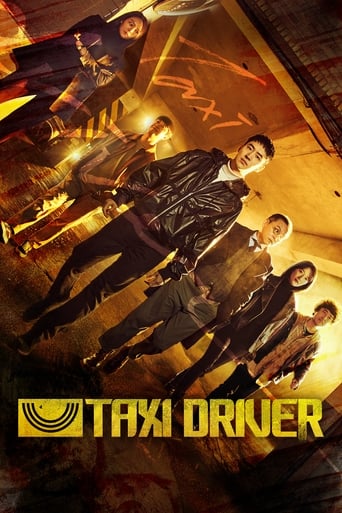
Taxi Driver
Korean action-thriller with secret organization using elaborate setups against injustice — stylized, propulsive, same production energy.
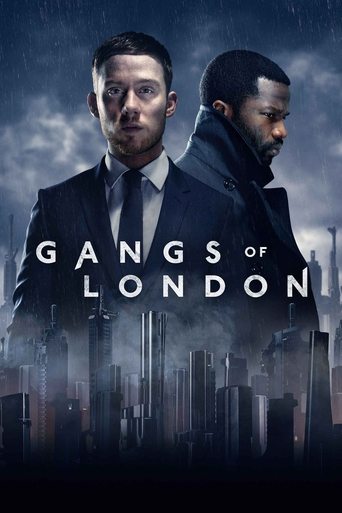
Gangs of London
Brutally violent ensemble crime drama with factions playing deadly power games — shares Squid Game's choreographed violence and hierarchy.
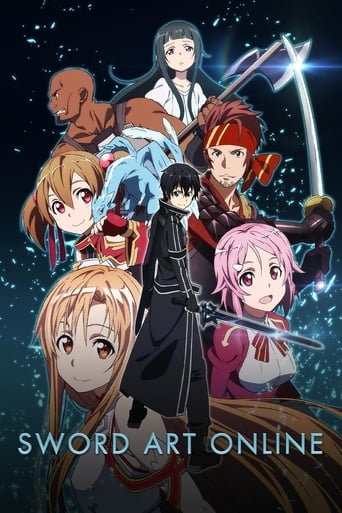
Sword Art Online
Players trapped in a virtual game where death is real — anime version of the death-game premise with RPG skin.
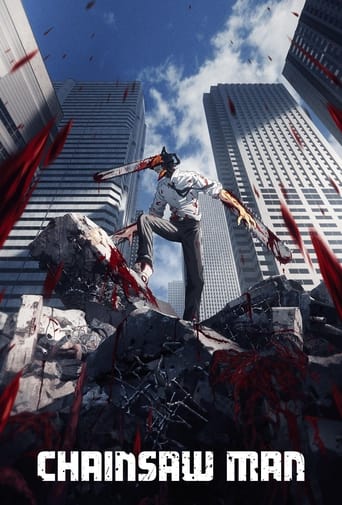
Chainsaw Man
Debt-driven protagonist forced into lethal combat — shares Squid Game's economic desperation and grotesque cruelty in an anime format.

Love, Death & Robots
Anthology of dark, violent survival and death scenarios — thematically overlapping for fans drawn to Squid Game's grim imagination.
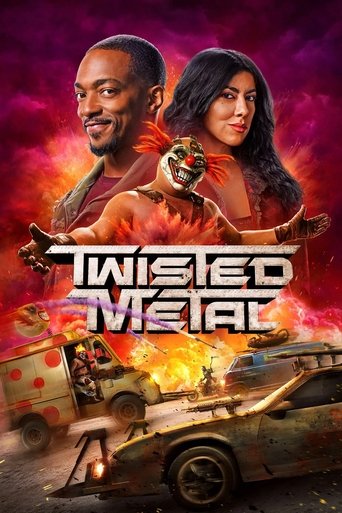
Twisted Metal
Post-apocalyptic tournament with lethal stakes played for survival — shares the deadly-contest framework in a darkly comedic register.
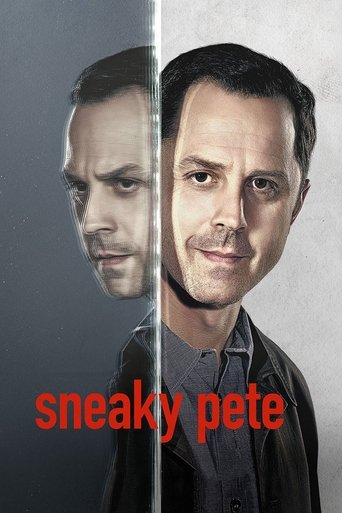
Sneaky Pete
Con man in life-or-death survival mode outwitting dangerous people — psychological high-stakes game of wits rather than physical contests.

Outer Banks
Teen ensemble in escalating dangerous situations for high reward — lighter in tone but shares the high-stakes chase-survival energy.

Citadel
Covert agents manipulated by a secret power structure — shares Squid Game's theme of hidden controllers pulling strings over pawns.
How Good Is Squid Game?
Ratings across IMDb and TMDB, plus our verdict.
Where to Watch Squid Game
Streaming, rental, and purchase options across 40+ countries.
United States
USStream
2 Netflix
 Netflix Standard with Ads
Available in 131 countries
Frequently asked about Squid Game
Common questions people search for, with answers written by us at MoviesPack.
Why does the Front Man turn out to be a former police officer?
Oh Il-nam, the game's founder, previously ran the games and recruited winners or survivors to become staff. In-ho (the Front Man) won the games in 2015 and was subsequently recruited to oversee future iterations, suggesting the organization deliberately targets past winners who understand desperation and survival. His role as Front Man explains why he monitors his brother Jun-ho so efficiently — he knows exactly how the games operate from the inside. His arc illustrates how the system perpetuates itself by converting victims into enforcers.
What is the significance of Oh Il-nam being a player and the game's creator?
Oh Il-nam (Player 001) is revealed in the finale to be the wealthy founder of the games, who chose to participate as a dying man seeking one last thrill and genuine human connection. His friendship with Gi-hun was real on some level, but it also served as a final experiment to test whether a stranger would show compassion to a dying old man — a bet he made with a fellow billionaire. His presence as a player deliberately blurs the line between predator and prey, showing that the games exist to entertain the ultra-wealthy who have lost all meaning in life. His death at the end of Episode 9 closes his arc as both participant and architect.
Why does Gi-hun dye his hair red at the end of Season 1 and refuse to board the plane?
Gi-hun's red hair signals a psychological break from the passive, drifting person he was throughout the series — it is a visual marker of rage and transformation rather than recovery. His refusal to board the plane to see his daughter suggests he cannot move on while the games continue, having just witnessed the recruiter (salesman) approaching another desperate man on the street. The final scene positions him not as a trauma survivor trying to heal, but as someone who has decided to confront the organization directly. Creator Hwang Dong-hyuk confirmed the choice reflects Gi-hun's shift from victim to potential agent of resistance.
What does the glass bridge game reveal about the nature of knowledge and survival?
The glass bridge (Episode 7) pits players against a fifty-fifty guessing game unless someone has specialized knowledge — the glass worker Cho Sang-woo exploits this by concealing that Player 017's expertise in glass could identify tempered versus regular panes by sound. The game is designed so that early players are essentially sacrificed to give later players information, exposing how the wealthy designers engineer scenarios where accumulated knowledge only marginally improves odds. Sang-woo's decision to push Player 017 off the bridge before he can fully use his expertise is a pivotal moral turning point, showing how survival logic corrupts even sympathetic characters. The episode is widely read as a critique of class systems where specialized labor is exploited and then discarded.
Why did Sae-byeok (Player 067) keep her backstory about her family hidden from the group?
Kang Sae-byeok is a North Korean defector whose mother is still trapped in the North and whose younger brother is in a Seoul orphanage — she entered the games solely to win enough money to reunite her family. She withholds this because vulnerability in the games is a liability, and she has survived by trusting no one since defecting. Her gradual openness with Gi-hun in the final episodes underscores how the games force isolation even among people who might otherwise form genuine bonds. Her death at Sang-woo's hands just before the final game is especially brutal because it comes after she has already accepted losing, having been mortally wounded in the glass bridge game.
Recent Updates
New Teaser: Squid Game
New Trailer: Squid Game