

Shows Like Six Feet Under
When death is your business, what is your life? For the Fisher family, the world outside of their family-owned funeral home continues to be at least as challenging as—and far less predictable than—the one inside.
Ranked by shared creators, cast, themes, genre, and network — not just generic recommendations.
True Blood
Alan Ball creator post-SFU; HBO prestige drama with dark themes, mortality, and Southern Gothic tone.
Transparent
Dysfunctional LA family upended by a parent's revelation; dark comedy-drama, death, identity — closest spiritual sibling to SFU.
Succession
Dysfunctional family clinging to a patriarch's legacy; dark humor, sibling rivalry, HBO prestige — tonal and structural peer.
Horace and Pete
Family business passed down through generations, sibling strain, dark comedy, grief — intimate prestige drama with SFU's DNA.
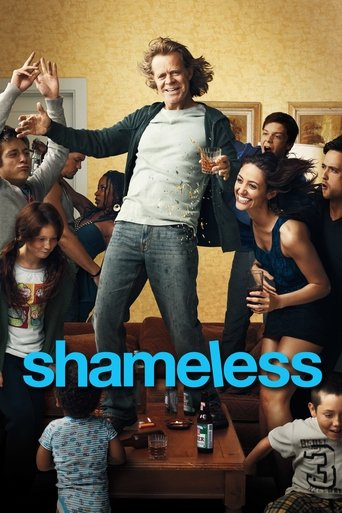
Shameless
Chaotic American family held together despite absent/destructive parent; dark comedy, sibling bonds, raw emotional drama.
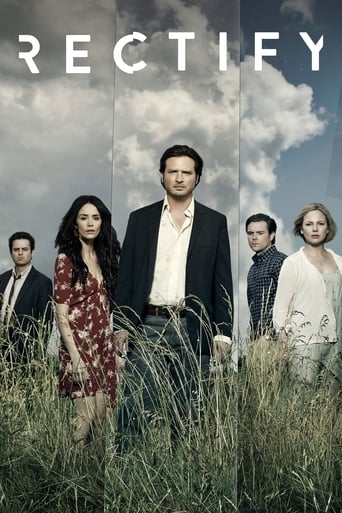
Rectify
Quiet, literary drama about death, guilt, and a family fractured by loss; SFU-level emotional depth and slow-burn prestige.
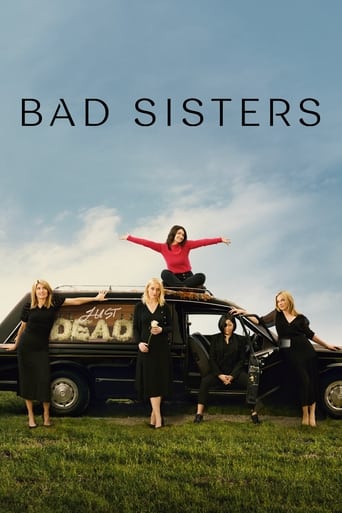
Bad Sisters
Tight-knit sisters, a death at the center, dark comedy tone, family loyalty under pressure — strong thematic overlap.
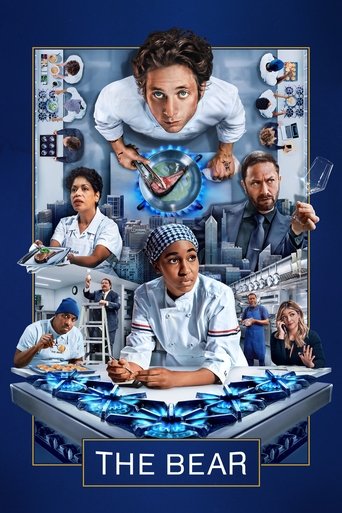
The Bear
Family business inherited after a sibling's death; grief, dysfunction, and found family in a high-pressure workplace.
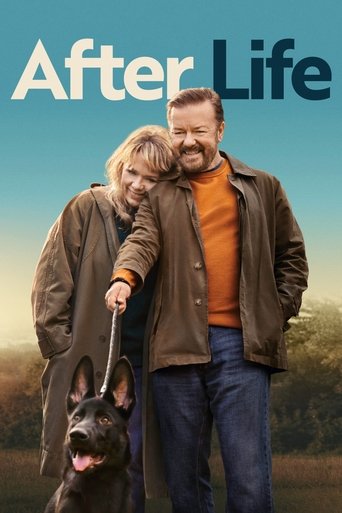
After Life
Grief and mortality as the engine of dark comedy; widower confronting death daily — emotionally adjacent to SFU's core.

Dead to Me
Death as the inciting event, dark comedy-drama around grief and secrets — shares SFU's tonal blend of humor and loss.

Weeds
Suburban widow's dark comedy; death triggers the premise, dysfunctional family, Showtime prestige era contemporary with SFU.
Bloodline
Dysfunctional family with dark secrets, sibling conflict, and a death that fractures everything — dark dramatic tone aligns well.
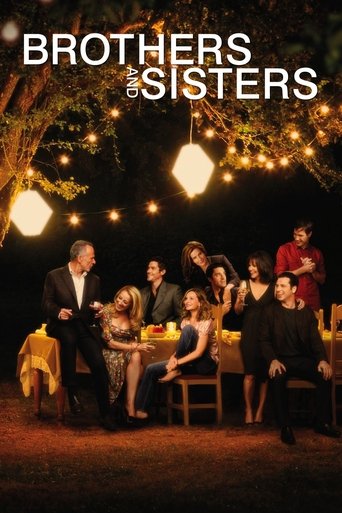
Brothers and Sisters
Death of the father sets off a large family drama; Rachel Griffiths stars; family secrets and sibling dynamics mirror SFU.

Sharp Objects
HBO dark family drama; death, trauma, dysfunctional Southern family — gothic tone and prestige execution echo SFU.
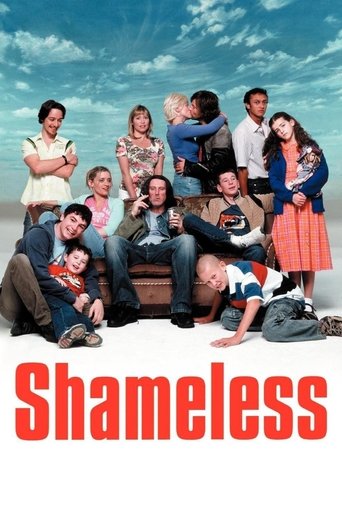
Shameless
Original UK version: dysfunctional working-class family, dark comedy, sibling survival — raw and tonally compatible with SFU.
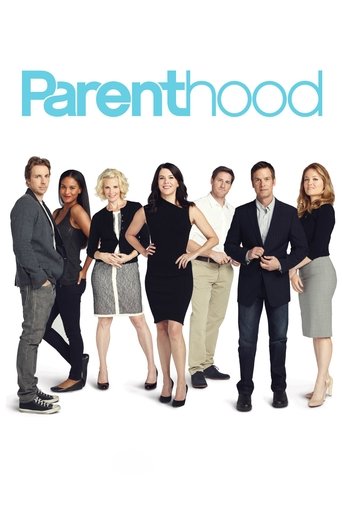
Parenthood
Stars Peter Krause in a sprawling family drama; warmer tone than SFU but same ensemble family structure and emotional depth.

Back to Life
UK dark comedy about returning home after trauma; dysfunctional family and deadpan death-adjacent themes — lighter cousin.

This Is Us
Family drama centered on grief and loss across generations; shares emotional weight but is more sentimental than SFU.

Russian Doll
Death as recurring dark comedy device; philosophical exploration of mortality — thematic cousin with different execution.
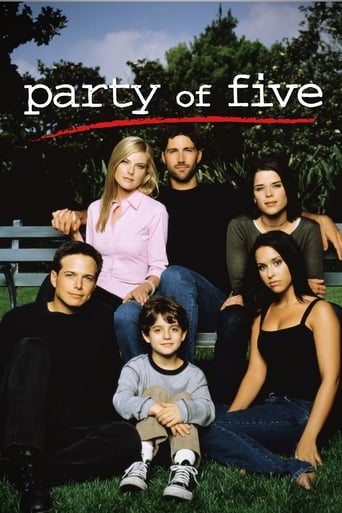
Party of Five
Orphaned siblings running their lives after parental death; family drama with death at its origin — distant but real connection.
How Good Is Six Feet Under?
Ratings across IMDb and TMDB, plus our verdict.
Where to Watch Six Feet Under
Streaming, rental, and purchase options across 40+ countries.
United States
USStream
2 HBO Max Amazon Channel
 HBO Max
Buy
4 Amazon Video
 Apple TV Store
 Fandango At Home
 Amazon DVD / Blu-ray
Available in 96 countries
Frequently asked about Six Feet Under
Common questions people search for, with answers written by us at MoviesPack.
Why does Nathaniel Fisher Sr. keep appearing as a ghost after his death?
Nathaniel Sr. manifests as a recurring hallucination — or possibly a spiritual presence — experienced primarily by Nate and other family members as a way of processing grief, guilt, and unresolved feelings about him. The show intentionally blurs the line between supernatural visitation and psychological projection, never definitively confirming which it is. His appearances typically surface when a character is at a crossroads, making him function as both a conscience and a mirror for the living Fisher family.
What causes Nate Fisher's sudden death near the end of the series?
Nate dies from a massive hemorrhagic stroke caused by an arteriovenous malformation (AVM) in his brain, a condition he had been aware of since early in the series but largely tried to ignore or minimize. He had undergone surgery for it before but the AVM eventually proved fatal. His death is particularly shocking because it occurs shortly after he marries Maggie and just as he was seemingly moving away from Brenda, reinforcing the show's theme that death arrives without warning or narrative convenience.
Did Ruth ever truly find happiness, and what does her journey represent thematically?
Ruth's arc is one of the series' most poignant — she spends most of the show suppressing her own desires after decades of self-effacement within her marriage and family role. She cycles through relationships (Hiram, George, and her complicated dynamic with her children) searching for selfhood rather than just companionship. By the finale she has found a degree of peace, though the show suggests her happiness is hard-won and imperfect, embodying the series' central argument that self-knowledge comes late and at great cost.
What is the significance of the series finale's flash-forward sequence?
The finale closes with Claire driving away from Los Angeles toward her future in New York, triggering a series of flash-forwards that show the deaths of every major character. This device serves as the show's ultimate thematic statement: that knowing how everyone dies does not diminish the value of their lives, but rather underscores the preciousness of the time in between. It is one of television's most deliberate series endings, forcing the audience to sit with mortality in a way that mirrors what the Fisher family has done for five seasons.
Why does David struggle so profoundly with his identity throughout the series?
David is gay in a family and profession where he felt compelled to hide that fact, and the series traces how that long concealment warped his relationship with himself, his faith, and others. Even after coming out, he battles internalized shame and a need for control that stems from years of performing a false version of himself. His kidnapping and assault in Season 4 becomes the catalyst for a deeper psychological unraveling, forcing him to confront fear and vulnerability he had always buried beneath propriety and competence.
Recent Updates
New Trailer: Six Feet Under