

Shows Like Shameless
Chicagoan Frank Gallagher is the proud single dad of six smart, industrious, independent kids, who without him would be... perhaps better off. When Frank's not at the bar spending what little money they have, he's passed out on the floor. But the kids have found ways to grow up in spite of him. They may not be like any family you know, but they make no apologies for being exactly who they are.
Ranked by shared creators, cast, themes, genre, and network — not just generic recommendations.
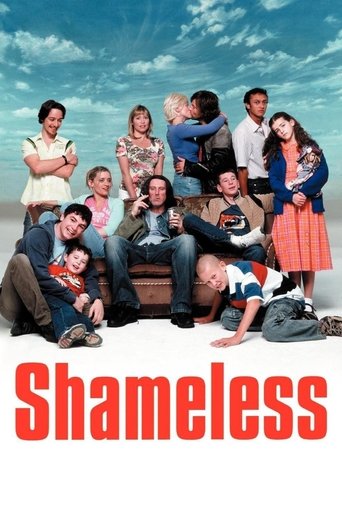
Shameless
The original UK series — same creator Paul Abbott, same Gallagher family premise, direct source of the US remake.

Weeds
Dark cable comedy-drama, single parent breaking rules to keep family afloat, drugs, serialized Showtime tone.

It's Always Sunny in Philadelphia
Long-running dark comedy about a dysfunctional group with crude humor, no-redemption arcs, working-class edge.

Six Feet Under
Serialized premium cable, deeply dysfunctional family, dark comedy woven into drama, same adult prestige audience.
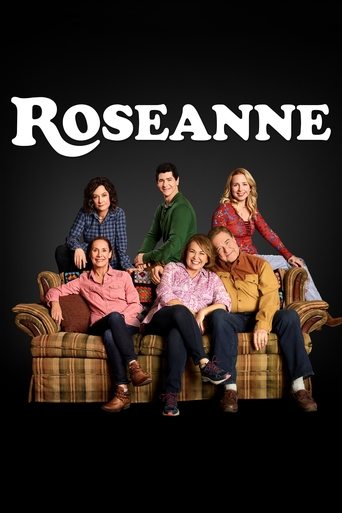
Roseanne
Working-class Midwest dysfunctional family, dark humor, economic struggle — closest network-era DNA to Shameless.
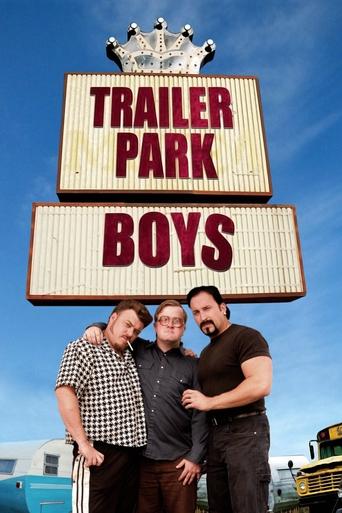
Trailer Park Boys
Dysfunctional found-family of lovable criminals scraping by; dark comedy, serialized chaos, cult adult audience.
Horace and Pete
Dark tragicomedy, alcoholism at the core, dysfunctional family history, serialized, bleak adult tone.

Nurse Jackie
Showtime dark comedy-drama built around addiction and deception; same cable tone and no-easy-answers ethos.

The Bear
Chicago working-class setting, Jeremy Allen White lead, family grief and dysfunction, intense drama-comedy hybrid.

The Riches
Outlaw dysfunctional family living outside the system, dark comedy-drama tone, same cable serialization.
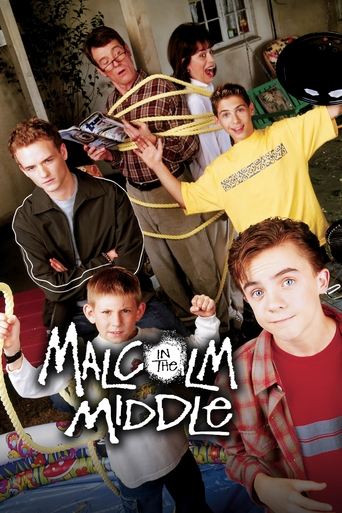
Malcolm in the Middle
Working-class chaotic sibling-heavy family, dark family comedy DNA — lighter tone but same dysfunctional energy.

Parenthood
Serialized big-family drama with messy real-life parenting struggles; warmer tone but same sprawling family format.
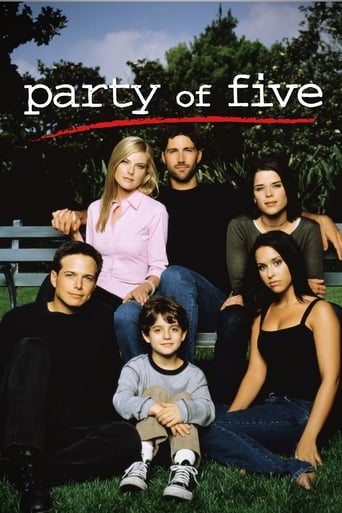
Party of Five
Older siblings raising younger ones after parents are gone — core Shameless premise, though teen-drama tone.

Misfits
UK working-class young adults in trouble with the law, dark comedy edge, same irreverent tone as UK Shameless.

Succession
Dysfunctional siblings in a toxic family power struggle, dark comedy-drama — opposite class but same family rot.

Bloodline
Dysfunctional adult siblings hiding dark secrets; serialized and dark, but thriller-dominant with little comedy.

Casual
Sibling-cohabiting dysfunctional family, dark comedy, but smaller, quieter, upper-middle-class — softer edge.

Mom
Addiction/recovery in a multi-generational dysfunctional family; thematically adjacent but multi-cam sitcom format.

Everwood
Single-father raising kids after loss; serialized family drama, but warm small-town tone — opposite emotional register.
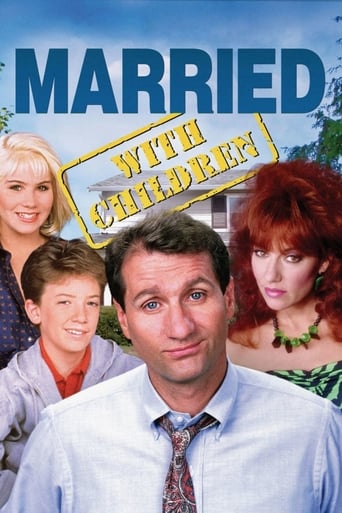
Married... with Children
Chicago dysfunctional family with crude humor; same working-class setting but pure sitcom — no darkness or serialization.
How Good Is Shameless?
Ratings across IMDb and TMDB, plus our verdict.
Where to Watch Shameless
Streaming, rental, and purchase options across 40+ countries.
United States
USStream
2 Netflix
 Netflix Standard with Ads
Buy
5 Amazon Video
 Apple TV Store
 Fandango At Home
 Amazon DVD / Blu-ray
 Barnes & Noble
Available in 135 countries
Frequently asked about Shameless
Common questions people search for, with answers written by us at MoviesPack.
Why does Frank Gallagher constantly sabotage his children despite occasionally showing he loves them?
Frank is a severe alcoholic whose addiction overrides his paternal instincts at nearly every turn, causing him to prioritize his next drink or scam over his children's welfare. The show portrays him as a man with genuine charm and occasional bursts of love, but whose disease and profound selfishness make sustained parental care impossible. His rare moments of genuine affection — such as his grief over Monica or his complicated bond with Shameless — serve to underline the tragedy rather than redeem him.
What happened to Monica Gallagher and how did her absence shape the Gallagher children?
Monica Gallagher abandoned the family early in the children's lives, struggling with severe bipolar disorder and substance abuse, and reappears periodically throughout the series before dying of a brain bleed in Season 7. Her absence forced Fiona to essentially become a surrogate mother to her younger siblings from childhood, defining Fiona's entire identity and personal sacrifices across the series. The children's varying responses to Monica — from Ian's inherited bipolar disorder to Lip's distrust of unstable women — trace directly back to her abandonment.
Why does Ian Gallagher eventually embrace his bipolar disorder diagnosis after initially rejecting it?
Ian spends several seasons in denial and self-destruction after his diagnosis, partly because accepting it meant accepting he shared something fundamental with Monica, the mother who abandoned him. His arc shifts when he witnesses the damage his untreated episodes inflict on the people he loves, particularly Mickey and his extended family. By later seasons Ian not only manages his condition with medication but channels it into activism, framing his disorder as part of his identity rather than a sentence.
What is the significance of the Gallagher house itself throughout the series?
The South Side Chicago house at 2119 South Homan Avenue functions as the show's central symbol of the family's survival and dysfunction — it is simultaneously a place of neglect and fierce belonging that the Gallaghers fight to keep through eviction threats, fires, and financial ruin. Multiple plotlines hinge on the threat of losing the house, which represents the one constant anchor for children who have no reliable parents. The house outlasting Frank and the scattering of the older children in the final seasons underscores the show's bittersweet thesis that the next generation may finally escape the cycle.
Why did Mickey Milkovich initially deny and violently suppress his relationship with Ian?
Mickey grew up under Terry Milkovich, a violently homophobic father who beat and sexually abused Mickey to 'cure' him when he discovered the relationship, even forcing Mickey to have sex with a sex worker in front of Ian. Mickey's denial and aggression were survival mechanisms in a household where being gay was met with literal violence, not merely social stigma. His eventual public coming-out in Season 4 and his long-arc reconciliation with Ian are presented as hard-won acts of courage against the specific trauma of his upbringing.
Recent Updates
New Teaser: Shameless
New Trailer: Shameless