Shows Like Shin Chan
Shin-chan, the boy next door, is a walking disaster, creating chaos wherever he goes. With the body of a child and the mind of an adult, Shinchan is wreaking more havoc than any child before. Shin-chan is carefree, optimistic and gets excited about everything. This 5 year-old likes to do things his way.
Ranked by shared creators, cast, themes, genre, and network — not just generic recommendations.
Crayon Shin-chan Spin-off
Same IP/franchise — Shin-chan characters in a new futuristic comedy format, shares four lead voice actors.
Doraemon
Defining peer of the same Shogakukan kids-anime era: manga-based, elementary school boy protagonist, absurdist daily-life gags.
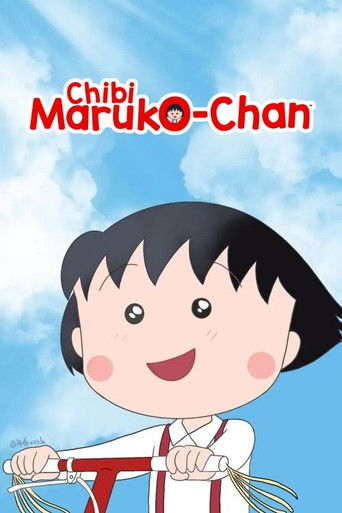
Chibi Maruko-chan
Near-twin concept: nostalgic slice-of-life Japanese childhood comedy, based on manga, overlapping era and fanbase.
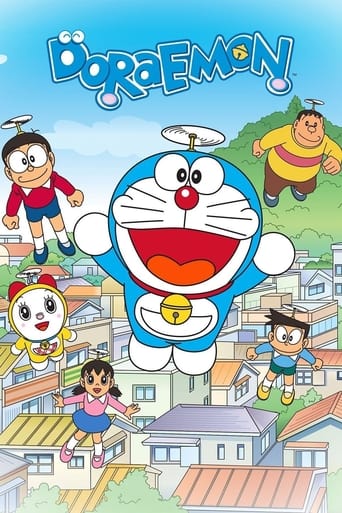
Doraemon
Direct reboot of the Shin-chan sibling franchise; same Toei/TV Asahi Sunday kids block, identical target demographic.
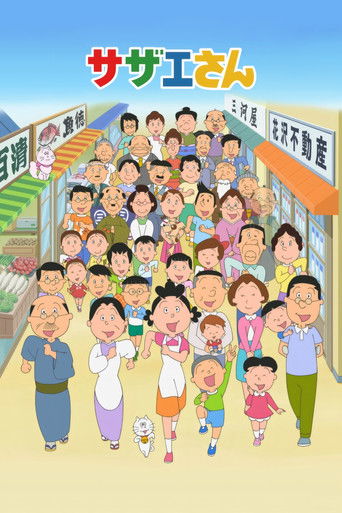
Sazae-san
The template for domestic Japanese family comedy anime; same everyday-chaos-with-lovable-family DNA, enormous shared audience.
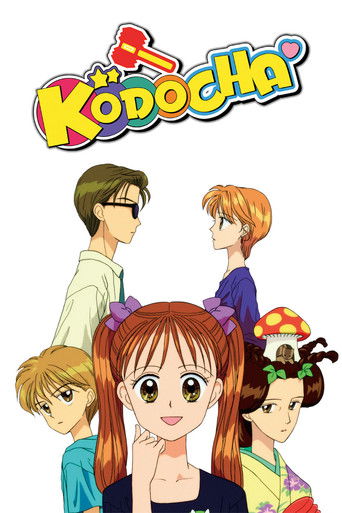
Kodocha
Kids-comedy anime, elementary school protagonist, high-energy slapstick and family drama; same 1990s manga-adaptation wave.
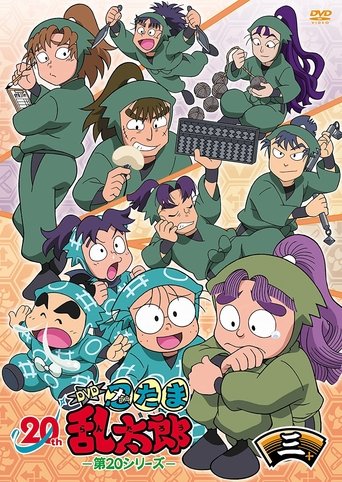
Ninja Boy Rantaro
Long-running manga-based kids comedy, mischievous child protagonist, same NHK/kids-block era and comedic energy.
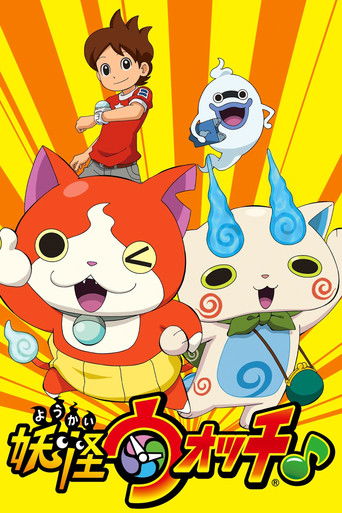
Yo-kai Watch ♪
Kids comedy anime, supernatural mischief, nostalgic keyword overlap, similar elementary-age protagonist and episodic gag format.
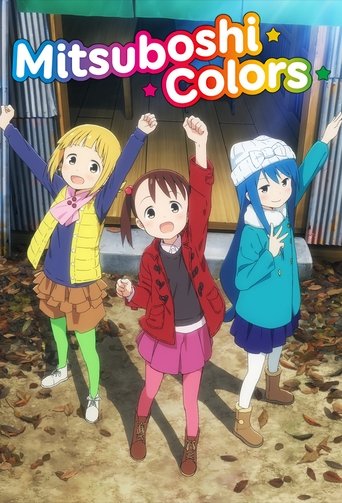
Mitsuboshi Colors
Mischievous children keyword, slice-of-life comedy, kids running amok in their neighborhood — tonal match to Shin-chan's chaos.
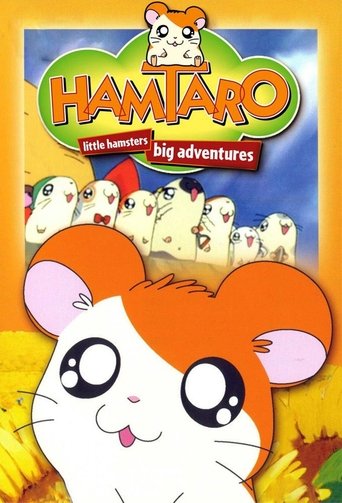
Hamtaro
Kids comedy anime from same TV Tokyo / manga pipeline; light episodic humor aimed at same pre-school/early-elementary audience.
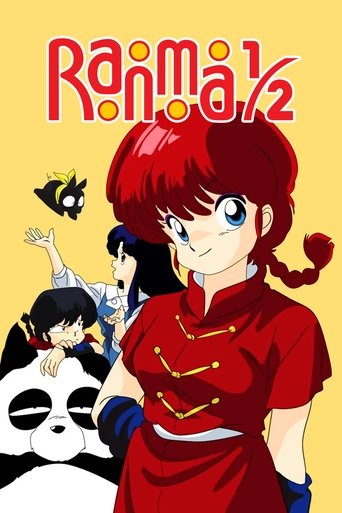
Ranma ½
Rumiko Takahashi manga comedy, physical slapstick gags, absurdist family situations — genre peer of Shin-chan's irreverent humor.
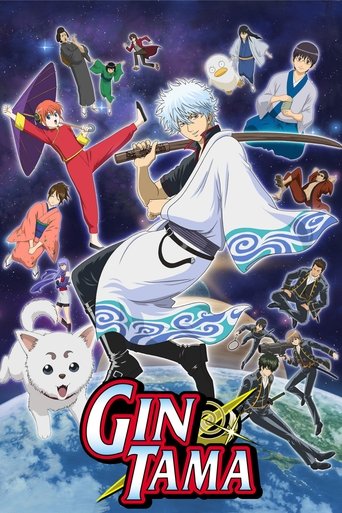
Gintama
Japanese anime famous for breaking-the-fourth-wall absurdist comedy; older audience but shares Shin-chan's anarchic irreverence.
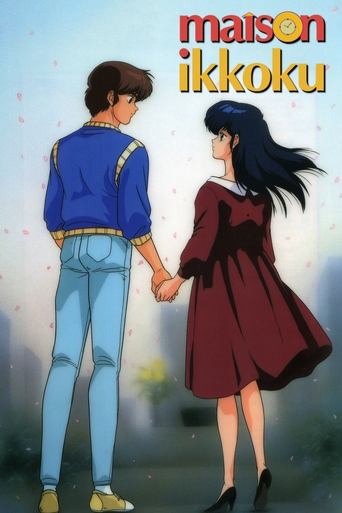
Maison Ikkoku
Classic manga-based slice-of-life comedy anime; adult-targeted romance but shares Shin-chan's chaotic ensemble and comedic warmth.
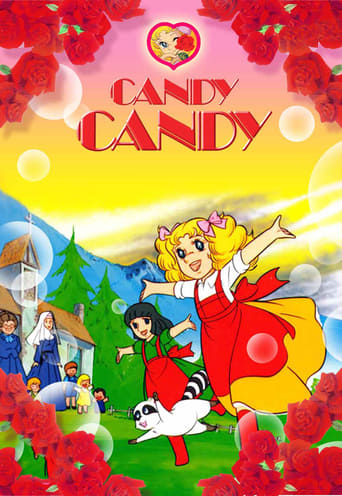
Candy Candy
Classic manga-adapted kids anime, nostalgic Japanese childhood associations; different tone (drama) but same vintage audience overlap.
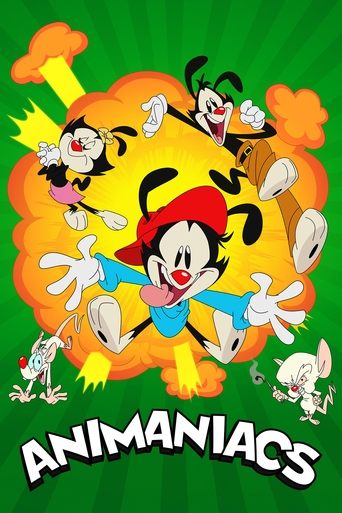
Animaniacs
Western animation with anarchic child characters wreaking domestic chaos — closest Western counterpart in spirit to Shin-chan.
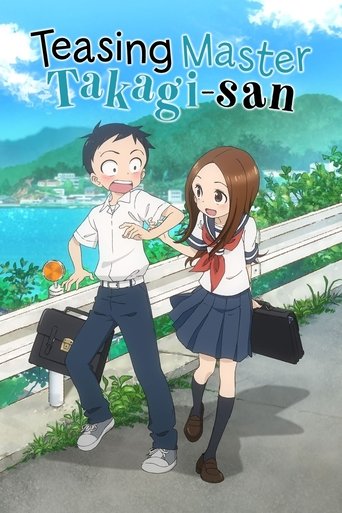
Teasing Master Takagi-san
Manga-based slice-of-life school comedy; softer romcom vibe but shares playful child humor and episodic low-stakes structure.
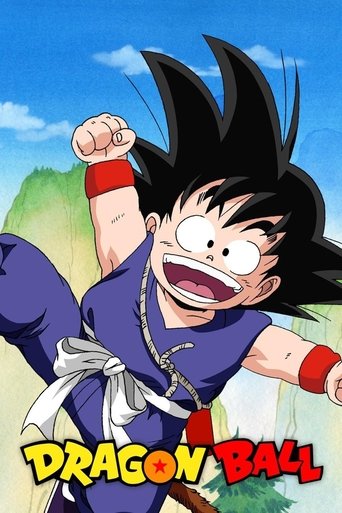
Dragon Ball
Same Toei/Fuji TV 1980s kids-anime landscape, mischievous child protagonist (young Goku) in comedic adventures — era-matched peer.
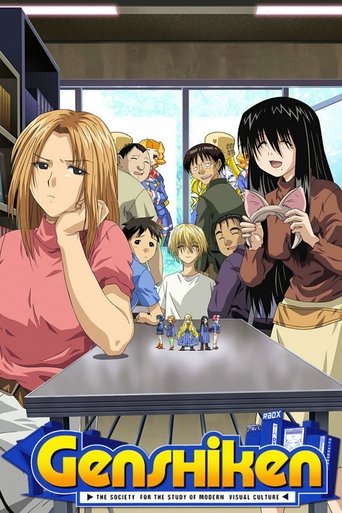
Genshiken
Otaku slice-of-life comedy anime; shares the manga-origin comedy-of-everyday-life format even if audience skews older.
How Good Is Shin Chan?
Ratings across IMDb and TMDB, plus our verdict.
Where to Watch Shin Chan
Streaming, rental, and purchase options across 40+ countries.
Austria
ATStream
1 Aniverse Amazon Channel
Available in 18 countries
Frequently asked about Shin Chan
Common questions people search for, with answers written by us at MoviesPack.
Why does Shin-chan constantly misbehave and embarrass his parents?
Shin-chan's misbehavior is not portrayed as malicious — he simply lacks the social filter most adults develop, acting purely on impulse and immediate desire. His behavior functions as a satirical mirror, exposing the absurdity of adult social norms by innocently ignoring them. Much of the humor comes from the contrast between his cheerful obliviousness and the mortified reactions of those around him.
What is the significance of Shin-chan's obsession with his pet dog Shiro?
Shiro is one of the few relationships in the show where Shin-chan displays genuine, uncomplicated affection. Unlike his interactions with adults, which are often antagonistic or comedic, Shin-chan's bond with Shiro reflects a sincere emotional attachment. Shiro also serves as a comedic foil, often reacting to household chaos with exaggerated canine drama.
How does the show depict the Nohara family dynamic, particularly between Hiroshi and Misae?
Hiroshi is portrayed as a put-upon salaryman who escapes into daydreams and beer, while Misae manages the household with barely contained frustration. Their marriage is depicted as loving but strained, with both parents often uniting in exasperation at Shin-chan's antics. The dynamic is a recurring satirical commentary on the pressures of middle-class Japanese family life in the 1990s.
Does Shin-chan ever show awareness that his behavior is inappropriate?
Occasionally Shin-chan demonstrates flashes of surprising emotional intelligence — comforting a crying classmate or understanding when a situation is genuinely serious — which suggests he is not unintelligent, just self-centered. These moments are used sparingly for emotional contrast, making them land more powerfully against the backdrop of his usual chaos. Most of the time, however, his transgressions are fully sincere rather than deliberate provocations.
What role does Shin-chan's kindergarten class and teacher Matsuzaka-sensei play in the show's recurring plots?
Youchien Futaba kindergarten and the perpetually frazzled Miss Matsuzaka provide the main setting outside the Nohara home, allowing the show to explore Shin-chan's social chaos beyond his family. Matsuzaka-sensei's attempts to maintain classroom order against Shin-chan and his friends — Kazama, Nene, Masao, and Bo — form a core comedic loop. Her visible romantic frustrations and career anxieties also make her a rounded character rather than a simple authority figure.