Shows Like Seinfeld
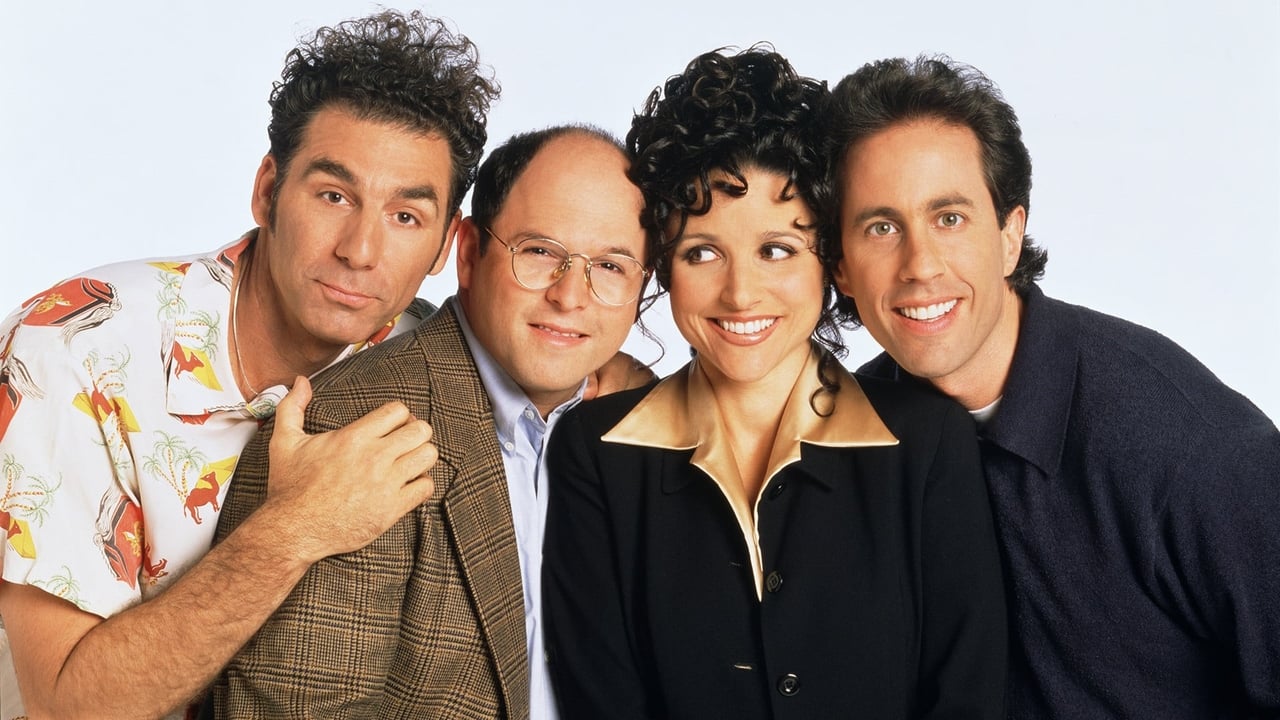
A stand-up comedian and his three offbeat friends weather the pitfalls and payoffs of life in New York City in the '90s. It's a show about nothing.
Ranked by shared creators, cast, themes, genre, and network — not just generic recommendations.

Curb Your Enthusiasm
Larry David (Seinfeld co-creator) plays himself in same observational, witty, irreverent NYC/LA comedy DNA
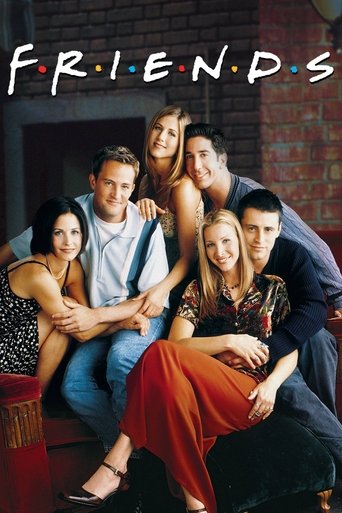
Friends
NBC Must-See TV era NYC ensemble sitcom, non-serialized hangout comedy, same audience and tone
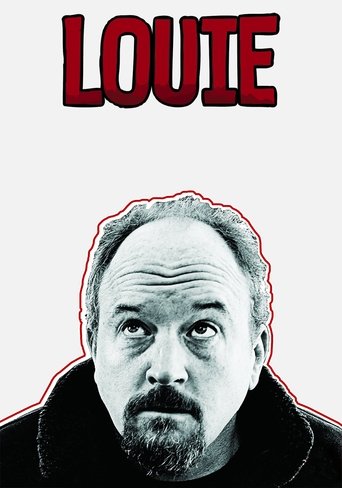
Louie
NYC stand-up comedian lead living everyday life, observational and witty, non-serialized episodic structure

Master of None
NYC 30-something observational comedy about dating and life minutiae, sharp/witty/irreverent tone

It's Always Sunny in Philadelphia
Ensemble of selfish, irreverent friends creating their own problems; non-serialized, no-consequences sitcom comedy
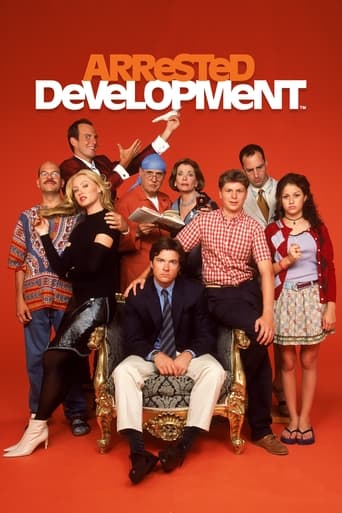
Arrested Development
Sharp, witty, irreverent ensemble comedy with self-absorbed characters; same cynical non-sentimental tone as Seinfeld
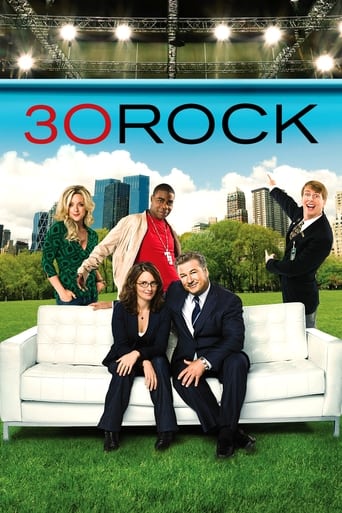
30 Rock
NYC workplace ensemble, witty/sharp/irreverent, stand-up comedy world adjacency; classic NBC Must-See TV spiritual successor

Broad City
NYC slice-of-life observational sitcom, irreverent hangout comedy about mundane city life, non-serialized
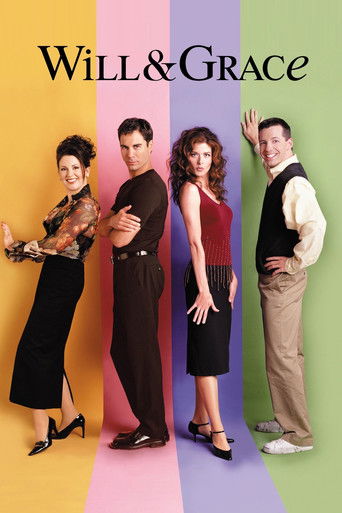
Will & Grace
NYC ensemble friends sitcom from the same NBC Must-See TV Thursday block, witty dialogue, non-serialized
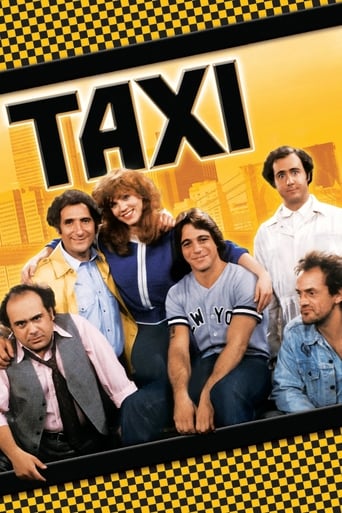
Taxi
NYC ensemble sitcom with sharp wit and eccentric characters; classic multi-cam peer in same comedic tradition
The Dick Van Dyke Show
Writer-led observational sitcom, sharp wit, ensemble cast; Seinfeld often cited this show as a key influence
I Love Lucy
Classic NYC sitcom ancestor; non-serialized comedic escalation and ensemble chemistry in the same tradition
Brooklyn Nine-Nine
NYC ensemble sitcom with sharp comedy, but procedural police workplace shifts tone away from pure observational

The Marvelous Mrs. Maisel
NYC stand-up comedy world, witty dialogue; but period drama with serialized arcs differs from Seinfeld's tone

Crashing
NYC stand-up comedy scene, comedian protagonist; smaller scale and more dramatic than Seinfeld's pure sitcom feel
The Cosby Show
Same NBC Thursday must-see era, NYC-set family sitcom; warmer and more sentimental than Seinfeld's cynical tone
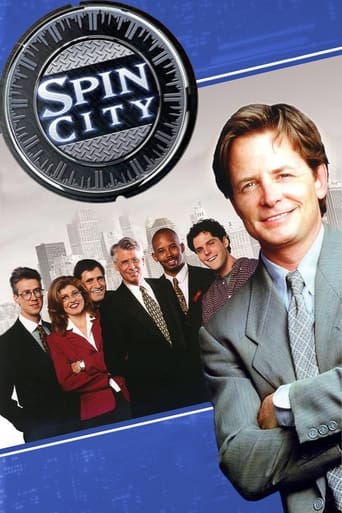
Spin City
NYC ensemble sitcom from same Must-See TV era; political workplace focus is adjacent but tone is compatible

Platonic
Modern sitcom about adult friendships and social awkwardness; shares Seinfeld's social comedy DNA in contemporary form
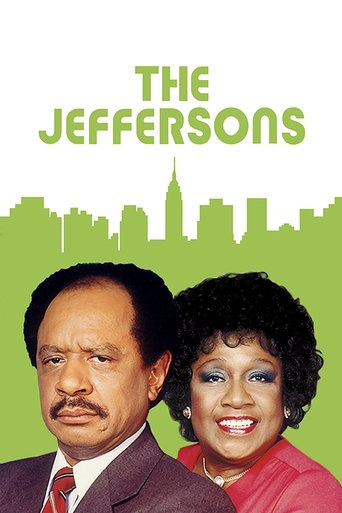
The Jeffersons
Classic NYC apartment sitcom with sharp ensemble; tonal cousin through NYC setting and snappy character comedy
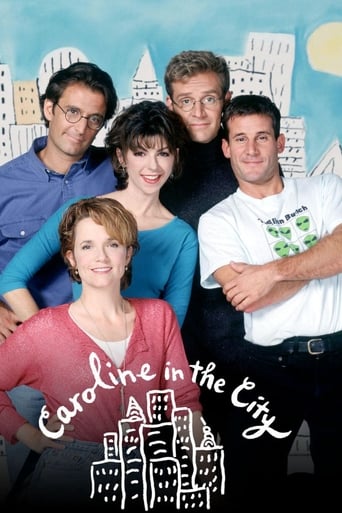
Caroline in the City
NBC Must-See TV era Manhattan sitcom; occupies same shelf as Seinfeld but lighter tone and less sharp writing
How Good Is Seinfeld?
Ratings across IMDb and TMDB, plus our verdict.
Where to Watch Seinfeld
Streaming, rental, and purchase options across 40+ countries.
United States
USStream
2 Netflix
 Netflix Standard with Ads
Buy
4 Apple TV Store
 Amazon Video
 Fandango At Home
 Amazon DVD / Blu-ray
Available in 131 countries
Frequently asked about Seinfeld
Common questions people search for, with answers written by us at MoviesPack.
Why do Jerry, George, Elaine, and Kramer get arrested in the series finale?
In the finale, the group witnesses a carjacking in a small Massachusetts town and instead of helping, they film it and mock the victim. They are arrested under a Good Samaritan law that requires bystanders to aid people in distress. Their trial brings back a parade of characters they wronged over the years, who testify to the group's chronic selfishness. They are ultimately convicted and sentenced to jail.
What is the deal with the 'Festivus' holiday and where did it come from within the show?
Festivus is an alternative holiday invented by Frank Costanza as a protest against the commercialization of Christmas. It features an unadorned aluminum pole instead of a tree, a 'Airing of Grievances' dinner ritual where participants tell others how they have disappointed them, and a 'Feats of Strength' where the holiday is not over until the head of household is pinned in a wrestling match. Frank claims he invented it after a brawl over a doll in a store convinced him the holidays had become too materialistic.
What happened to George's fiancée Susan and how does George react?
Susan Ross dies from licking toxic glue on the cheap wedding envelopes George insisted on buying to save money. George's immediate reaction upon being told by doctors is one of quiet, stunned relief rather than grief, which he struggles to conceal. The moment is played as darkly comic, underlining George's fundamental selfishness and his deep ambivalence about the engagement throughout the season. Her death frees him from a commitment he had been trying to escape.
What is the significance of the recurring 'no hugging, no learning' rule the show's creators followed?
Co-creator Larry David established the rule that characters would never grow, change, or learn meaningful lessons from their experiences — deliberately subverting the standard sitcom format where protagonists reflect and improve. This means the same selfish, petty behavior repeats across nine seasons without consequence until the finale. It is also why the group's relationships never meaningfully evolve; Jerry and Elaine dated before the show began but the show never pushes them back together or resolves that history in a sentimental way.
Why does Kramer always burst through Jerry's apartment door rather than knocking?
It is never explicitly explained within the show's lore — it is treated as simply an established character trait that Kramer has always had unimpeded access to Jerry's apartment. The gag implies a long-standing arrangement or that Jerry has given up enforcing any boundary with his neighbor. Kramer's entrances became one of the show's signature physical comedy beats, with Michael Richards timing them for maximum comedic impact each episode.
Recent Updates
New Teaser: Seinfeld
New Trailer: Seinfeld