Shows Like Brooklyn Nine-Nine
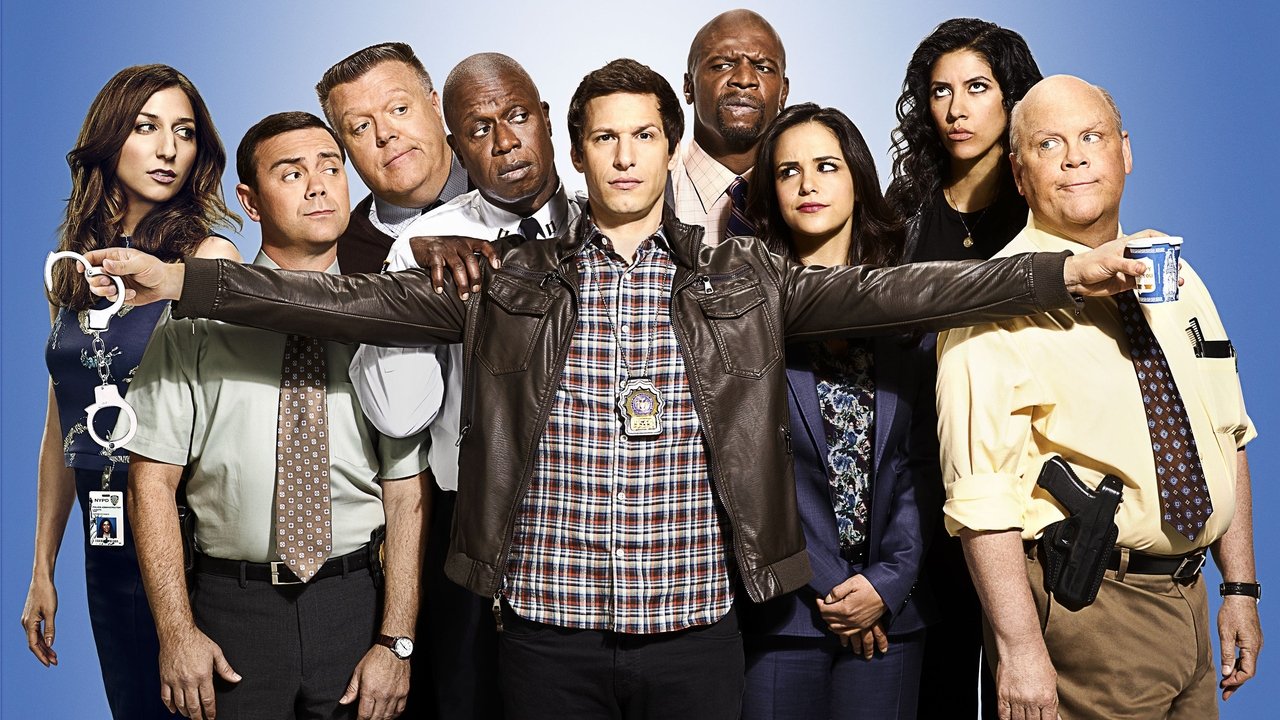
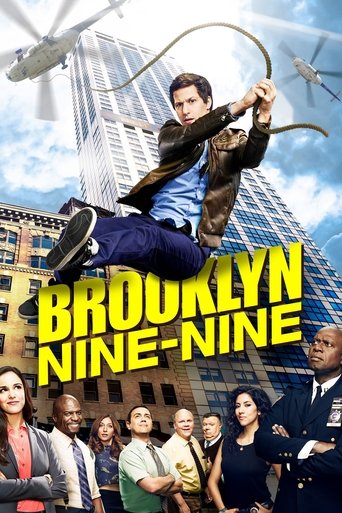
A single-camera ensemble comedy following the lives of an eclectic group of detectives in a New York precinct, including one slacker who is forced to shape up when he gets a new boss.
Ranked by shared creators, cast, themes, genre, and network — not just generic recommendations.

Parks and Recreation
Co-created by Michael Schur; same single-camera ensemble workplace comedy DNA, warm optimistic tone, beloved ensemble.

The Good Place
Michael Schur creation; shares writers, ensemble warmth, comedy style, and several core cast members with B99.

Digman!
Created by Andy Samberg; stars Samberg + Melissa Fumero — direct franchise extension of B99 talent.
Reno 911!
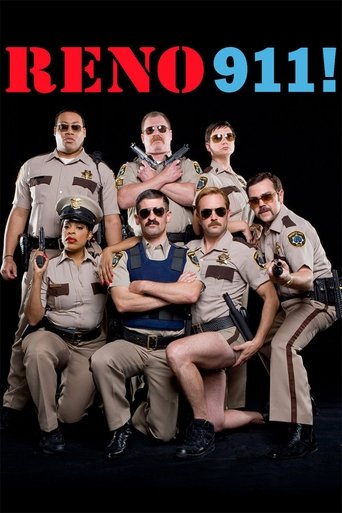
Police precinct comedy with shared cast (Joe Lo Truglio); absurdist cop humor and ensemble format closely mirror B99.
Barney Miller
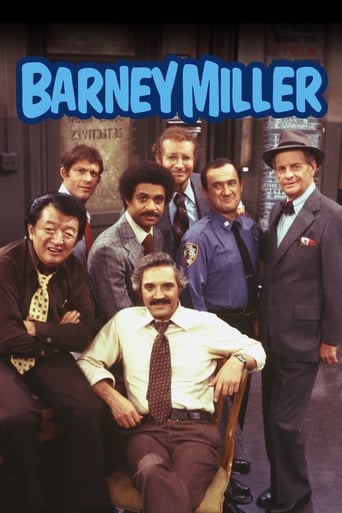
NYC police precinct ensemble workplace sitcom; widely cited as the spiritual predecessor B99 is modeled on.

Abbott Elementary
Single-camera ensemble workplace comedy with mockumentary warmth and optimistic tone matching B99 beat for beat.

Angie Tribeca
Police comedy spoof with LAPD precinct ensemble; same comedic genre and workplace-cop format as B99.
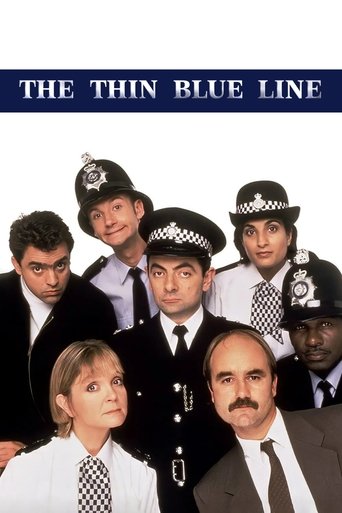
The Thin Blue Line
British police station sitcom with bumbling ensemble and satirical workplace humor; strong genre parallel to B99.
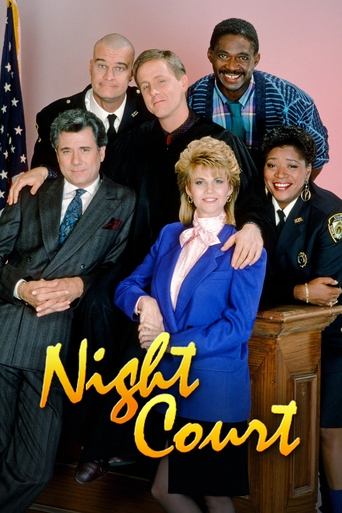
Night Court
NYC legal workplace ensemble sitcom with eccentric cast and warm comedic tone; clear structural sibling to B99.
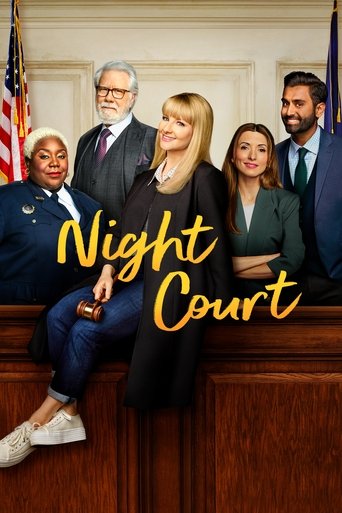
Night Court
Revival of the NYC courthouse ensemble comedy; same optimistic oddball-crew format fans of B99 respond to.
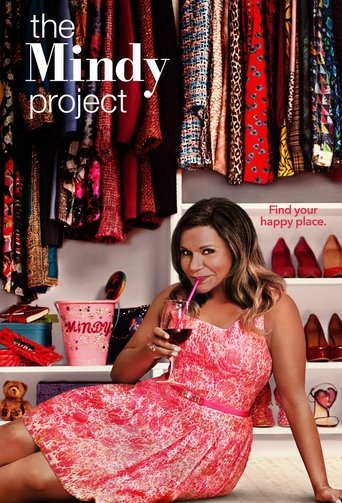
The Mindy Project
NYC single-camera workplace ensemble comedy from the same era with a warm, character-driven comedic sensibility.
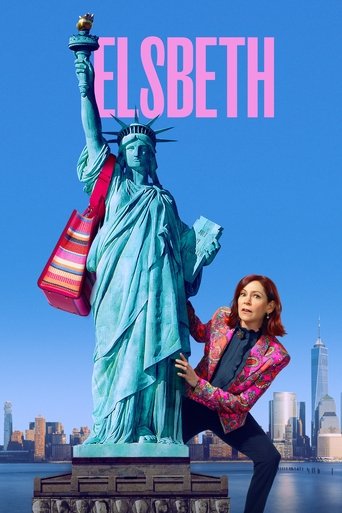
Elsbeth
NYPD-adjacent comedy-crime with eccentric lead and NYC precinct setting; lighter tone bridges comedy and crime.

Scrubs
Single-camera ensemble workplace comedy with heartfelt humor and found-family core; tonal and structural sibling.
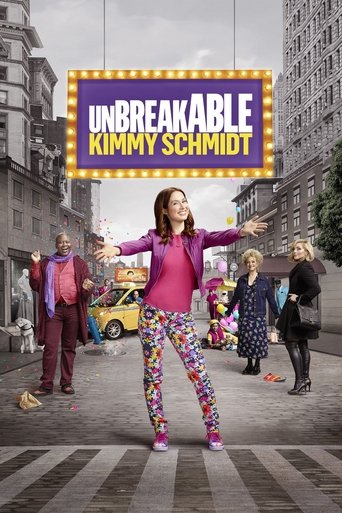
Unbreakable Kimmy Schmidt
NYC single-camera comedy with relentless optimism and sharp ensemble; Schur-adjacent creative lineage.
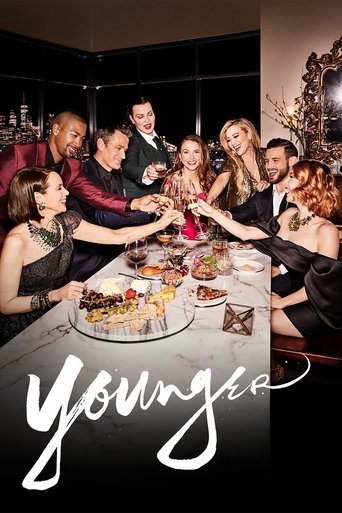
Younger
NYC workplace ensemble comedy with ensemble chemistry and sitcom structure; softer overlap but consistent co-watch.

Broad City
NYC single-camera comedy with irreverent humor and ensemble energy; shares city/era but no police precinct angle.
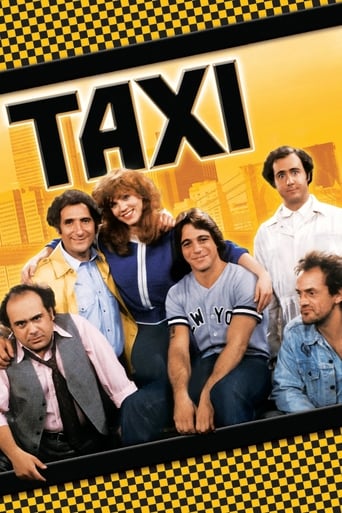
Taxi
NYC workplace ensemble sitcom with eccentric coworkers and found-family formula; shares structure, different setting.
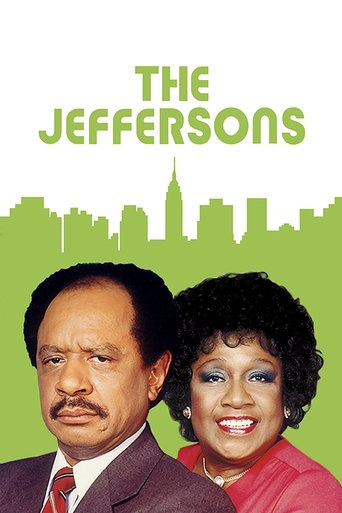
The Jeffersons
Classic NYC sitcom with sharp character writing; shares city and ensemble comedy DNA but no workplace/police overlap.
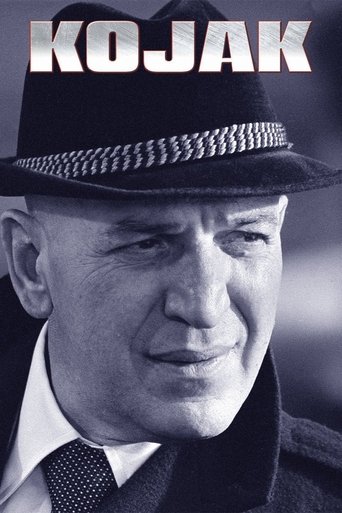
Kojak
NYPD detective show in NYC; shares precinct/detective setting but is a serious drama — included for discovery only.
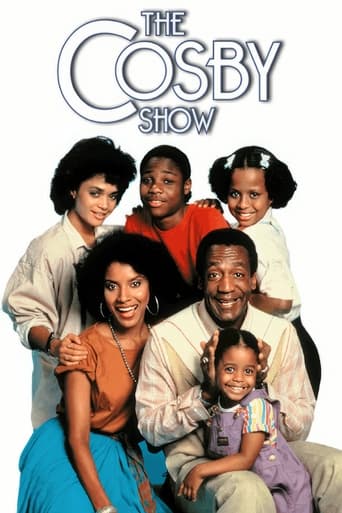
The Cosby Show
Brooklyn-set ensemble sitcom with warm family humor; shares NYC borough and ensemble comedy format distantly.
How Good Is Brooklyn Nine-Nine?
Ratings across IMDb and TMDB, plus our verdict.
Where to Watch Brooklyn Nine-Nine
Streaming, rental, and purchase options across 40+ countries.
United States
USStream
4 Peacock Premium
 Peacock Premium Plus
 Netflix
 Netflix Standard with Ads
Buy
6 Apple TV Store
 Fandango At Home
 Amazon Video
 GRUV
GRUV Barnes & Noble
 Amazon DVD / Blu-ray
Available in 130 countries
Frequently asked about Brooklyn Nine-Nine
Common questions people search for, with answers written by us at MoviesPack.
Why does Jake Peralta act immature despite being a genuinely gifted detective?
Jake's immaturity is rooted in his abandonment issues — his father, Roger Peralta, was largely absent during his childhood, leaving Jake emotionally stunted and reliant on humor and pop-culture references as a coping mechanism. Despite this, his instincts and deductive skills are real, and the show frames his goofiness not as a flaw that contradicts his talent but as an integral part of how he processes the world. Over the course of the series he gradually matures, particularly through his relationship with Amy and his evolving father figure dynamic with Holt.
What is the significance of the Pontiac Bandit arc and why does Jake keep letting Doug Judy go?
Doug Judy, alias the Pontiac Bandit, becomes Jake's recurring nemesis-turned-unlikely-friend across multiple seasons. Each time Jake gets close to arresting him, Judy provides intelligence on a larger criminal that makes releasing him the tactically correct call — but the deeper reason Jake lets him go is that a genuine friendship develops between them, something the show plays both for comedy and for sincere emotional weight. Their dynamic explores how Jake connects with people outside the rigid structures of law enforcement, and Judy ultimately turns his life around, with the finale arc depicting his wedding as a moment of real redemption.
How does Captain Holt's stoic personality connect to his backstory as a gay Black officer in the NYPD?
Holt's almost robotic emotional control is a direct product of decades spent navigating a police force that was hostile to both his race and his sexuality — he learned early that showing vulnerability gave his opponents ammunition and that professionalism was the only armor available to him. This backstory, gradually revealed through conversations with Jake and Rosa, recontextualizes his apparent coldness as a form of hard-won resilience rather than indifference. The show treats his arc as one of its most serious, depicting how systemic prejudice can permanently shape a person's emotional expression even after the external hostility has lessened.
What happens to the Nine-Nine precinct at the end of the series and why does Jake leave the NYPD?
In the final season, Jake and Amy discover that the NYPD's culture of systemic racism and institutional corruption is too entrenched for them to keep ignoring — a reckoning the show frames through the lens of real-world events following the 2020 protests over police brutality. Jake ultimately resigns from the force not because of a specific incident but because he and Amy decide their son Mac deserves a father who isn't complicit in a broken system. The finale is bittersweet: the squad reunites for one last case, then scatters, with the Nine-Nine itself being disbanded and the characters moving into new chapters of their lives.
Why does Rosa Diaz keep her personal life so private, and what does her coming-out arc reveal about her character?
Rosa's extreme privacy is established early as a core personality trait — she has kept almost every detail of her life, including her real name (revealed to be Rosa Diaz only later), hidden from her colleagues for years out of an intense need to maintain boundaries. Her coming-out as bisexual in Season 5 is therefore particularly significant because it is the first time she voluntarily makes herself vulnerable to people outside her immediate family, and the episode specifically addresses how her parents struggle to accept it. The arc emphasizes that Rosa's walls are not about shame but about self-protection, and choosing to come out to the precinct represents a genuine deepening of trust in the people she has worked alongside.
Recent Updates
New Trailer: Brooklyn Nine-Nine
New Teaser: Brooklyn Nine-Nine