Shows Like Pili
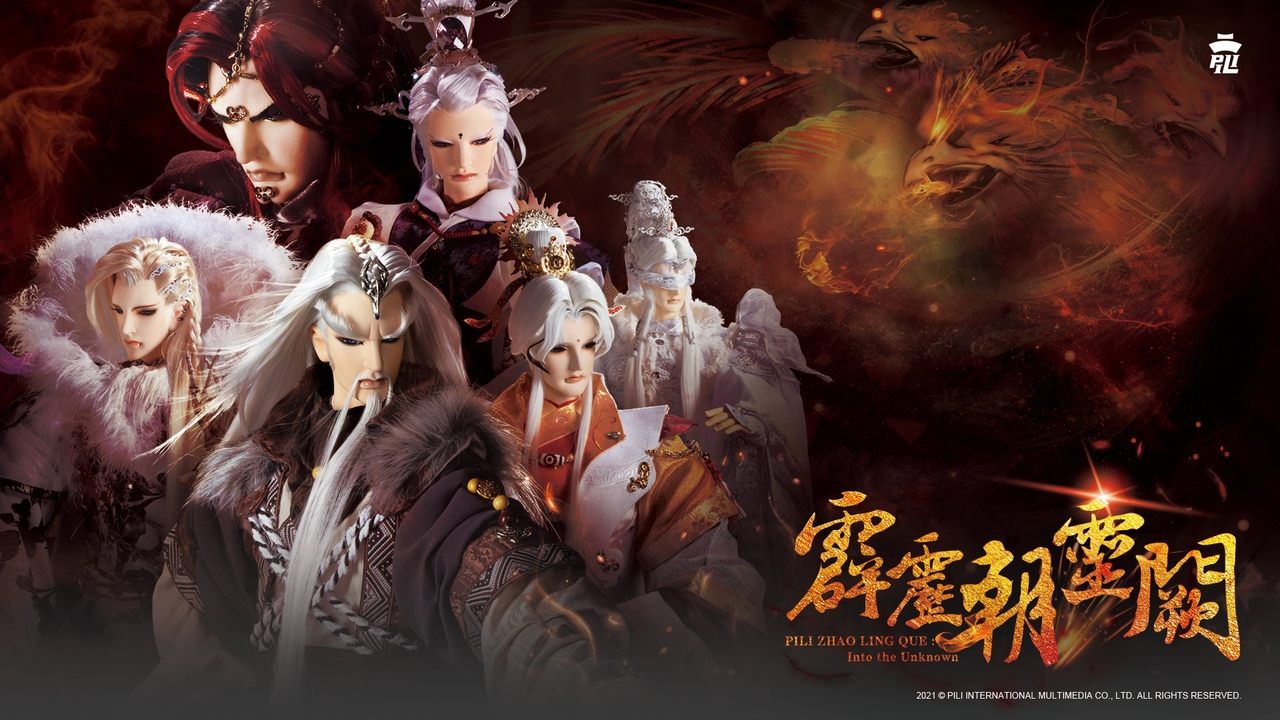
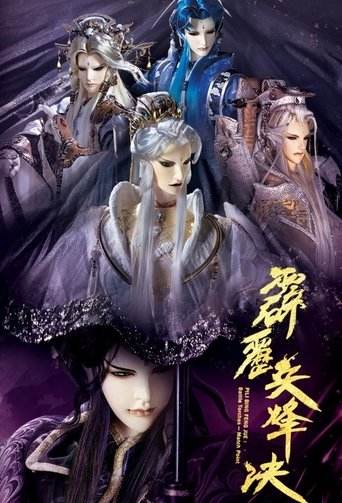
Pili is a puppet show from Taiwan. It is made by Pili International Multimedia. The TV series started in 1985, and it still continues today. It is one of the most popular TV shows in Taiwan. Pili puppet show is performed by many kinds of puppets, some of them are cool, some are intelligent, and some are funny. Unlike traditional puppet shows, Pili puppet show uses state-of-the-art animation to help present its fighting art. The delicate design of the appearance and characteristics of each puppet has made Pili puppet show a well-known entertainment in Taiwan.
Ranked by shared creators, cast, themes, genre, and network — not just generic recommendations.
Thunderbolt Fantasy
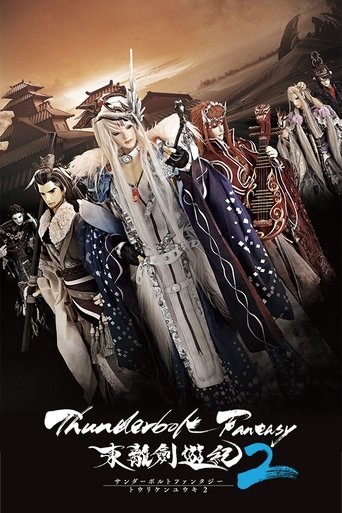
Co-produced by Pili International Multimedia; same glove-puppetry format, wuxia universe, creators, and aesthetic
The Legend of the Condor Heroes
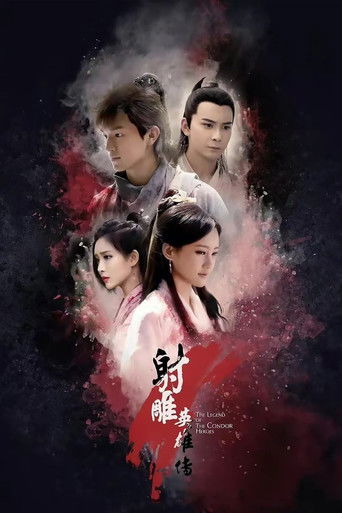
Wuxia serialized drama, same genre/tone/Chinese martial-arts fantasy audience as Pili
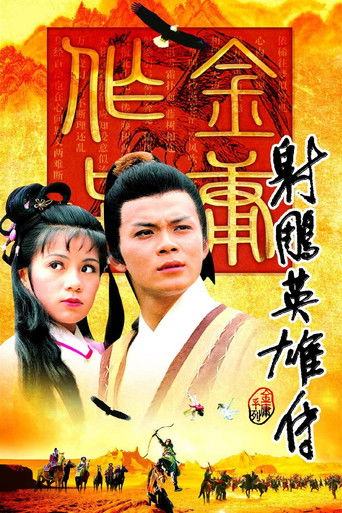
The Legend of the Condor Heroes
Classic TVB wuxia adaptation; same Jin Yong martial-arts world, serialized format, and Taiwanese/HK audience overlap
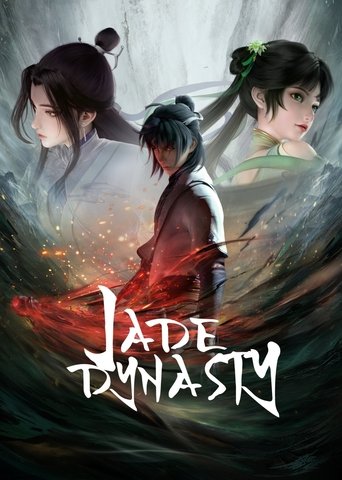
Jade Dynasty
Chinese animated fantasy with swordplay and costume drama; shares wuxia aesthetic and Chinese fantasy audience
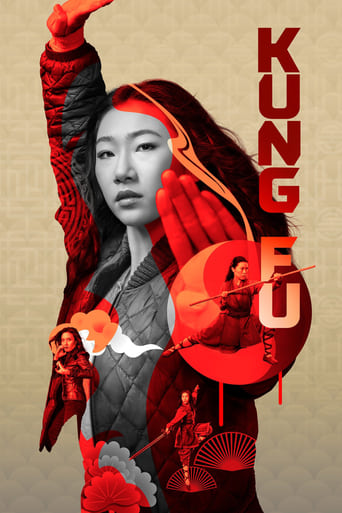
Kung Fu
Martial-arts action-drama centered on Chinese cultural identity; shares kung fu genre and serialized adventure format

Love Between Lines
Chinese serialized drama with mystery and period flavor; shares the Chinese-drama audience even if romance-heavy vs. wuxia
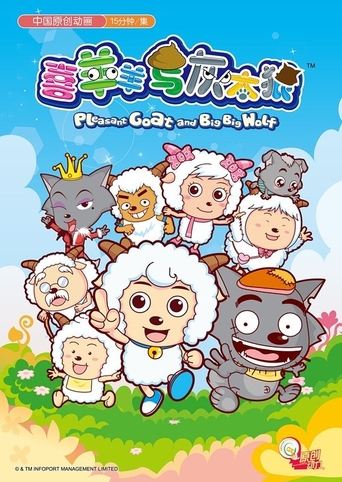
Pleasant Goat and Big Big Wolf
Chinese animated series with adventure/comedy; shares Chinese animated-entertainment audience, though aimed much younger
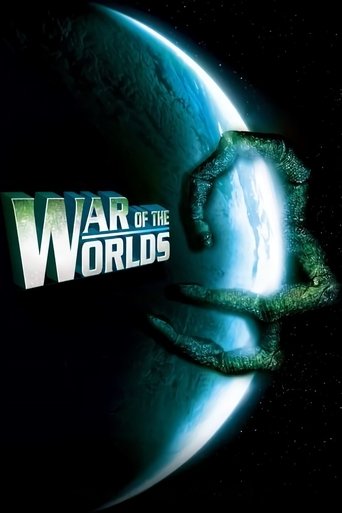
War of the Worlds
Late-1980s genre action-adventure serial; shares the serialized adventure format and era, though sci-fi Western vs. wuxia puppet

Black Sails
High-quality serialized action-adventure with strong dramatic arcs and ensemble cast; tonal peer for adult action-drama fans
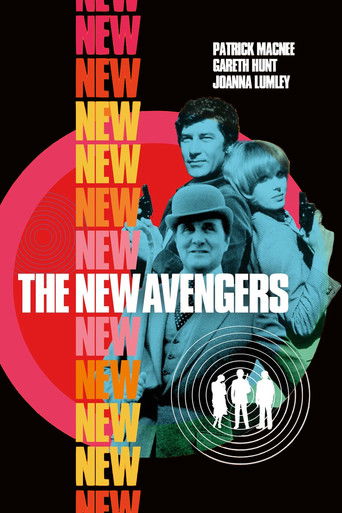
The New Avengers
Serialized action-adventure with colorful heroic characters; shares the pulp adventure tone across genres
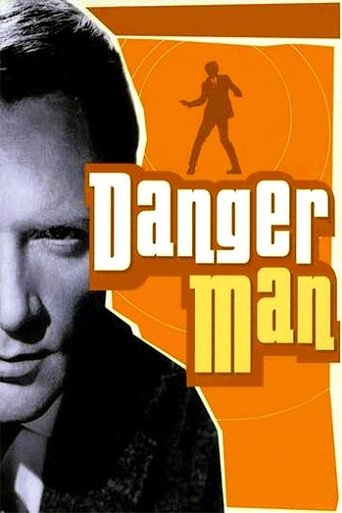
Danger Man
Classic serialized action-adventure hero; distant tonal cousin in the broader action-serial tradition

The Terminal List: Dark Wolf
Action-drama serial with strong protagonist and tight pacing; very distant cousin—modern military vs. wuxia puppet
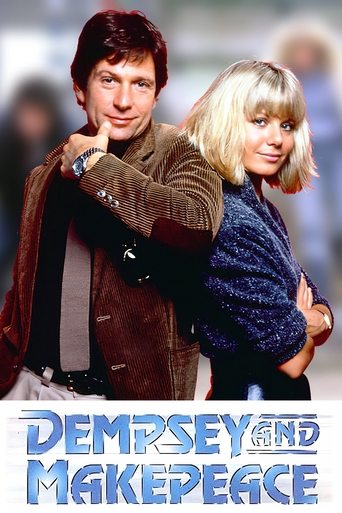
Dempsey and Makepeace
1980s action-drama serial; shares the era and serialized adventure format at the most general level

Scarecrow and Mrs. King
1980s action-adventure serial with heroic leads; shares only the broad serialized action-drama tradition

WWE NXT
Kept only as placeholder—athletic performance spectacle with scripted drama; extremely distant from wuxia puppet show

WWE ECW
Scripted performance-sport drama; barely qualifies—included only to fill 20 ranked slots
WWE Superstars
Scripted performance-sport drama; weakest fit—retained only to complete 20 ranked entries
How Good Is Pili?
Ratings across IMDb and TMDB, plus our verdict.
Where to Watch Pili
Streaming, rental, and purchase options across 40+ countries.
Austria
ATStream
3 Amazon Arthaus Channel
 Allstars Amazon Channel
 Studiocanal Presents ALLSTARS Amazon Channel
Buy
1 Amazon Video
Available in 14 countries
Frequently asked about Pili
Common questions people search for, with answers written by us at MoviesPack.
Who is Su Huan-jen and what drives his journey throughout the series?
Su Huan-jen is the central hero of the Pili universe, a wandering swordsman of extraordinary skill and quiet moral conviction who operates outside the corrupt martial-arts establishment. His journey is shaped by a relentless pursuit of justice for the weak, loyalty to a small circle of companions, and the burden of being misunderstood or feared by rivals who cannot match his power. Unlike traditional wuxia heroes, Su Huan-jen rarely seeks glory, which makes his interventions feel like acts of conscience rather than ambition.
What is the significance of the Dark City (Hei-bang) and how does it function as an antagonist force?
The Dark City represents a shadow power structure that mirrors and subverts the orthodox martial-arts world, built on manipulation, assassination contracts, and the corruption of talented fighters. Its leaders orchestrate conflicts from the background, turning heroes against each other to weaken any force that could challenge their dominance. The organization's recurring presence across story arcs establishes it as a systemic evil rather than a single villain, reflecting the show's theme that true danger comes from hidden institutions rather than open enemies.
How does the character Ye Xiao-chai contrast with Su Huan-jen philosophically?
Ye Xiao-chai embodies a more cynical and self-interested worldview, using his considerable intelligence and combat ability primarily for personal survival and occasional profit rather than altruistic goals. The contrast with Su Huan-jen creates ongoing dramatic tension, as Ye is drawn into heroic situations almost against his own declared values, suggesting the show questions whether moral detachment is truly sustainable for someone with his capabilities. Over time his actions complicate the audience's reading of heroism by showing that reluctant good deeds can matter as much as idealistic ones.
What role does fate and prophecy play in the lore of the Pili world?
Prophetic texts, cursed weapons, and destiny-bound bloodlines recur throughout Pili as narrative engines that trap characters in conflicts they did not choose. Several story arcs hinge on the interpretation of ancient prophecies, with rival factions each claiming a different reading to justify their actions, underscoring the show's interest in how power uses mysticism as a tool of control. Characters who try to escape their fated roles frequently find that resistance itself becomes part of the prophecy's fulfillment, reinforcing a fatalistic undercurrent beneath the action.
Why does Su Huan-jen so often choose to walk away rather than eliminate defeated enemies?
Su Huan-jen's repeated decision to spare or release enemies reflects his belief that killing a defeated opponent who no longer poses a threat is a corruption of martial virtue rather than an expression of it. The show frames this not as naivety but as a deliberate philosophical stance: true strength is demonstrated by restraint, and permanent enmity is often manufactured by those who benefit from cycles of revenge. This habit also functions as a recurring plot device, since spared enemies sometimes reform, sometimes return as greater threats, keeping the moral question genuinely unresolved rather than presenting mercy as always correct.