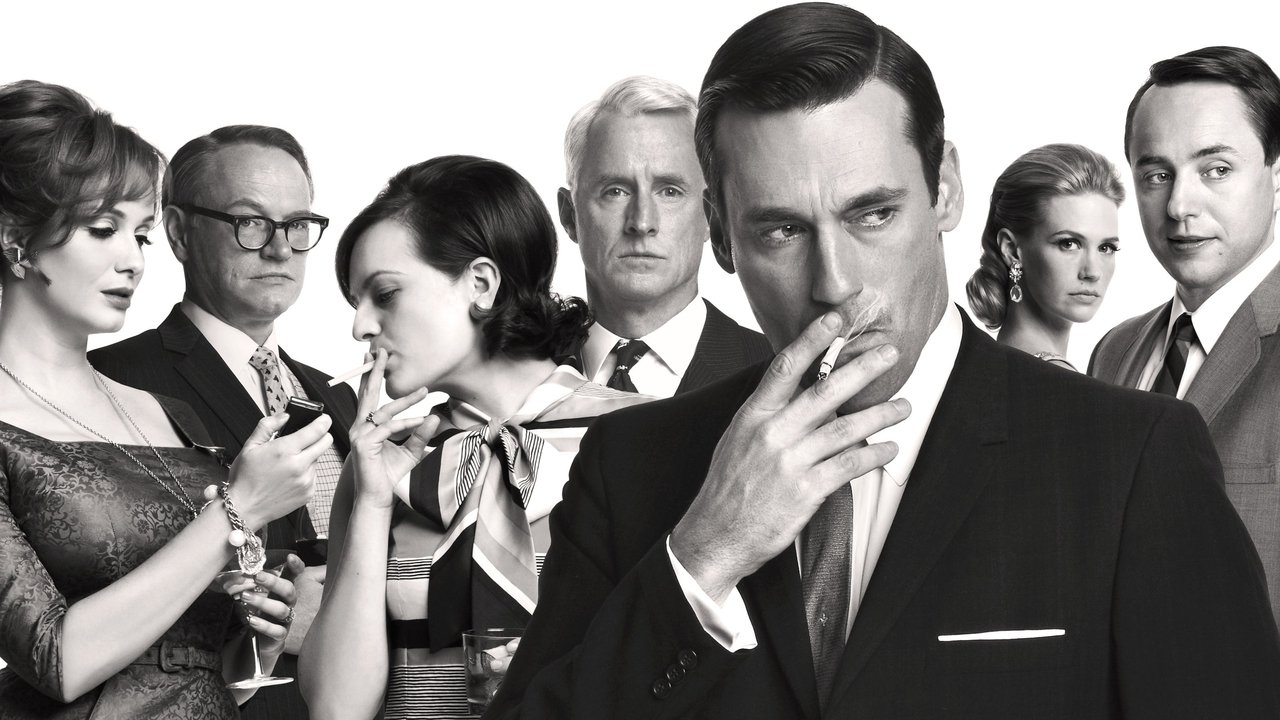
Shows Like Mad Men
Set in 1960-1970 New York, this sexy, stylized and provocative drama follows the lives of the ruthlessly competitive men and women of Madison Avenue advertising.
Ranked by shared creators, cast, themes, genre, and network — not just generic recommendations.
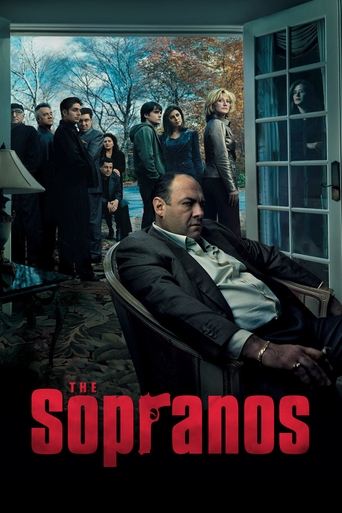
The Sopranos
The defining antihero prestige drama; direct spiritual ancestor of Mad Men's tone, moral ambiguity, and HBO-era standard.
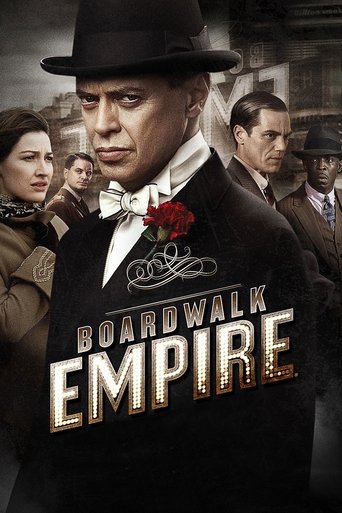
Boardwalk Empire
Terence Winter (Sopranos writer) created this period American power drama; same prestige pedigree, antihero ambition, HBO craft.
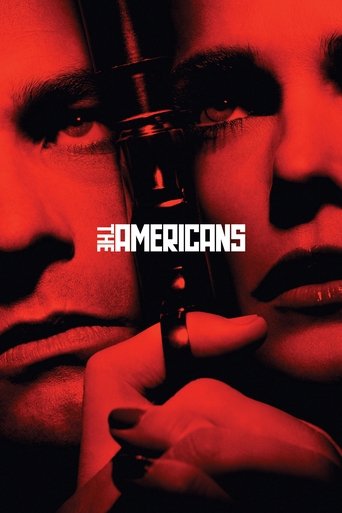
The Americans
Marriage as performance, identity as costume — a Cold War prestige drama mirroring Mad Men's double-life and suburban rot themes.

Halt and Catch Fire
AMC period workplace drama about ambition, creativity, and self-invention — the closest structural twin to Mad Men in tone and setting.

Masters of Sex
1960s period drama exploring sexuality, ambition, and gender dynamics — shares Mad Men's era, themes, and character-study depth.

Vinyl
Martin Scorsese/Terence Winter's 1970s NYC music-industry drama; same prestige DNA, male ambition, and period American excess.
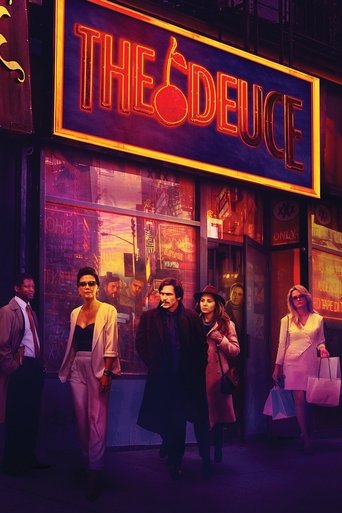
The Deuce
David Simon's 1970s New York period drama; same unflinching look at American institutions, capitalism, and moral compromise.
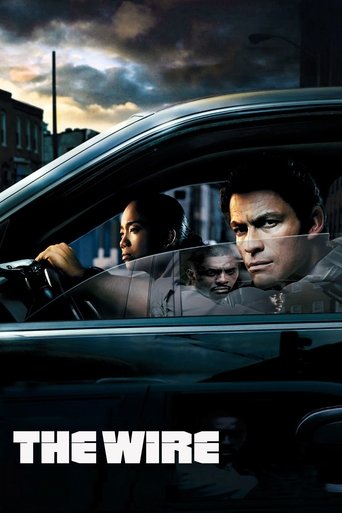
The Wire
David Simon's institutional masterwork; shares Mad Men's novelistic ambition, ensemble depth, and critique of American systems.
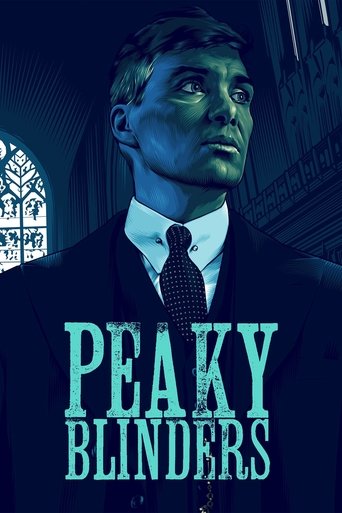
Peaky Blinders
Period crime drama built around a charismatic, self-destructive antihero rising through ambition — tonally and structurally aligned.

Mrs. America
1970s period drama examining gender, power, and politics — explores the same cultural fault lines Mad Men depicts from inside.
Fellow Travelers
Mid-20th-century period drama about hidden identity, desire, and performance across decades — shares Mad Men's era and emotional register.
Hell on Wheels
AMC period drama following a driven antihero reshaping American industry — same network, similar ambition arc, darker frontier setting.

The Newsreader
1986 newsroom period workplace drama; male ambition, institutional power, and complex gender dynamics echo Mad Men's core concerns.
A Young Doctor's Notebook
Stars Jon Hamm; dark period drama with unreliable identity and self-destruction — stylistically different but shares talent and tone.

Flack
PR workplace drama about a brilliant, self-destructive woman in a high-stakes industry — female Mad Men energy in a modern London setting.
Bridgerton
Period drama about social performance, marriage, and hidden desire — shares the theme of identity-as-performance in a gendered society.

The Bold Type
NYC magazine workplace drama; lighter tone but shares the media-industry setting and women navigating professional ambition.

Younger
NYC publishing-world workplace comedy-drama about reinvention and professional identity — distant but shares the industry backdrop.

Girls
NYC character study of ambition, self-delusion, and identity — tonal contrast but shares prestige-drama DNA and cultural New York lens.
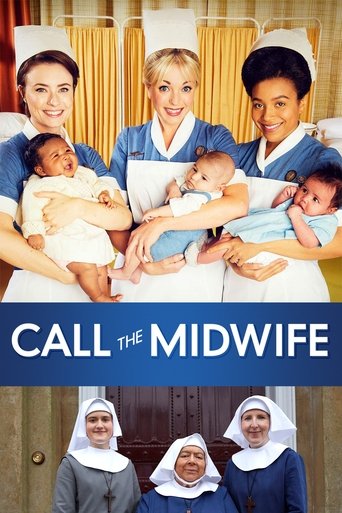
Call the Midwife
1950s period drama with strong ensemble and social conscience — era proximity and thoughtful tone connect it distantly to Mad Men.
How Good Is Mad Men?
Ratings across IMDb and TMDB, plus our verdict.
Where to Watch Mad Men
Streaming, rental, and purchase options across 40+ countries.
United States
USStream
8 HBO Max Amazon Channel
 Philo
Philo AMC Plus Apple TV channel
 AMC+ Amazon Channel
 AMC+
AMC+ YouTube TV
 Spectrum On Demand
 HBO Max
Free with Ads
3 Plex Player
 Plex Channel
 Xumo Play
Buy
4 Apple TV Store
 Amazon Video
 Fandango At Home
 Amazon DVD / Blu-ray
Available in 66 countries
Frequently asked about Mad Men
Common questions people search for, with answers written by us at MoviesPack.
Who is Don Draper really, and how did he steal the identity?
Don Draper was born Dick Whitman, the illegitimate son of a prostitute, raised in poverty by his father's wife. During the Korean War, his commanding officer Don Draper was killed in an accidental explosion, and Dick switched their dog tags, assuming the dead man's identity to escape his past. He built an entirely new life under the stolen name, which he guards as a secret throughout the series — the constant threat of exposure drives much of his anxiety and self-destructive behavior.
What does the series finale's Coca-Cola ad moment mean for Don Draper?
In the final scene, Don is shown meditating at a California retreat, then the famous 1971 'Hilltop' Coca-Cola commercial plays, implying he returned to advertising and channeled his spiritual breakthrough into that iconic campaign. The ending is deliberately ambiguous — it suggests Don ultimately reverted to using genuine emotion as a commodity rather than achieving true personal transformation. Matthew Weiner intended the ambiguity to reflect whether Don found peace or simply found a new way to sell.
Why does Betty Draper accept her terminal cancer diagnosis so calmly?
Betty is diagnosed with advanced lung cancer in the final season and chooses to face death with rigid stoicism rather than fight it aggressively, insisting on minimal treatment and writing a letter instructing Sally on how to handle her funeral. This mirrors Betty's lifelong coping mechanism: maintaining an idealized, controlled exterior while suppressing emotional pain beneath the surface. Her calm acceptance reads as both her deepest strength and a final expression of the emotional repression that defined her entire adult life.
What is the significance of the recurring falling man imagery in the opening credits?
The silhouetted man falling past skyscraper advertisements in the title sequence is a visual metaphor for Don Draper's precarious existence — a man constructed entirely from image and artifice who is perpetually at risk of falling from the false life he has built. It also evokes the 'Falling Man' photograph from 9/11, situating the show's meditation on American identity within a longer arc of national reckoning. Creator Matthew Weiner described it as representing the way advertising men of the era built a world of comfort and aspiration while standing on unstable ground.
Did Peggy Olson and Don Draper ever have a romantic relationship?
Peggy and Don never have a romantic or sexual relationship; their bond is instead the most emotionally honest relationship either character has. Don saw in Peggy a genuine talent that reminded him of his own ambition, and he mentored her at a time when women were not taken seriously in creative roles. Peggy, in turn, is one of the few people Don shows real vulnerability to — most explicitly in the Season 4 episode 'The Suitcase,' where they spend the night working together and Don breaks down after learning of Anna Draper's death.
Recent Updates
New Trailer: Mad Men