

Shows Like Lucifer
Bored and unhappy as the Lord of Hell, Lucifer Morningstar abandoned his throne and retired to Los Angeles, where he has teamed up with LAPD detective Chloe Decker to take down criminals. But the longer he's away from the underworld, the greater the threat that the worst of humanity could escape.
Ranked by shared creators, cast, themes, genre, and network — not just generic recommendations.

iZombie
Supernatural being solves murders alongside detective; witty comedy-drama tone; same CW-era audience and episodic-plus-serial structure.

Angel
Vampire detective in LA solving supernatural cases; brooding but charming lead; crime + fantasy blend with serialized mythology.

Forever
Immortal man partners with NYPD detective; supernatural lead + procedural crime + romantic tension + wit — near-identical formula.

Grimm
Supernatural-powered detective solves monster-linked crimes; same police-procedural-plus-fantasy structure and adult audience.
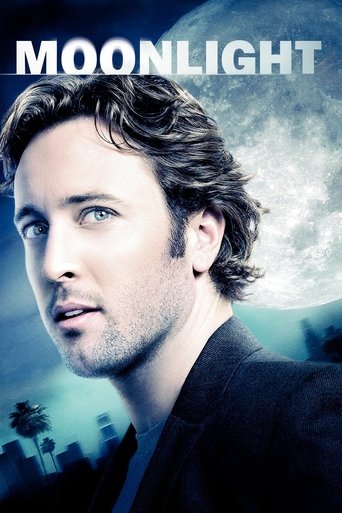
Moonlight
Vampire PI in LA solving crimes; supernatural lead + human female partner + romance + crime — direct structural parallel.

Helstrom
Marvel/comic-based supernatural protagonists hunting demonic evil; devil mythology + crime-adjacent investigations + adult tone.

Gotham
DC comic adaptation; crime procedural with supernatural/villain escalation; police detective lead; overlapping comic-fan audience.

Castle
Charming, witty civilian co-leads with NYPD detective solving murders; banter-driven romantic tension; same procedural-comedy-drama blend.

Penny Dreadful: City of Angels
Devil/Santa Muerte mythology in LA crime setting; supernatural vs. evil forces; darker tone but shares supernatural-crime genre space.

Supernatural
Hunters fight demons and angels in episodic-plus-serial format; shares devil/angel lore and overlapping supernatural-fantasy fanbase.

Nancy Drew
Supernatural mystery procedural with serialized lore; same genre shelf but skews younger (CW teen demo vs. adult Lucifer audience).

The Exorcist
Devil/demonic possession as central threat; shares supernatural-evil mythology but is horror-drama, not comedy-procedural.

Alien Nation
Non-human protagonist partners with LAPD detective in LA; buddy-cop supernatural/sci-fi variant; tonal lightness and fish-out-of-water theme.

Lethal Weapon
Witty buddy-cop procedural in LA with mismatched partners; banter-driven humor and action-comedy tone match Lucifer's lighter register.

Angie Tribeca
LAPD comedy procedural with absurdist wit; same LA-cop setting and comedic approach, stripped of supernatural element.

Mr. Mercedes
Retired detective hunts serial killer; dark crime-drama procedural tone; overlaps on cat-and-mouse suspense but lacks supernatural hook.

Dexter: New Blood
Supernaturally-coded vigilante outsider navigating law enforcement; dark moral ambiguity and crime genre overlap; much darker in tone.

Perry Mason
LA-set noir crime drama with morally complex lead; neo-noir procedural craft overlaps, but no supernatural or comedic element.

L.A.'s Finest
LAPD female detective duo in LA; procedural action-drama shares setting and cop-duo dynamic but is straight crime with no fantasy.

Ballard
LAPD detective in LA hunting a serial killer; shares procedural crime DNA and LA setting but is a straight drama without supernatural elements.
How Good Is Lucifer?
Ratings across IMDb and TMDB, plus our verdict.
Where to Watch Lucifer
Streaming, rental, and purchase options across 40+ countries.
United States
USStream
2 Netflix
 Netflix Standard with Ads
Buy
5 Amazon Video
 Apple TV Store
 Fandango At Home
 GRUV
GRUV Amazon DVD / Blu-ray
Available in 131 countries
Frequently asked about Lucifer
Common questions people search for, with answers written by us at MoviesPack.
Why did Lucifer leave Hell and come to Los Angeles?
Lucifer grew bored and disillusioned with his role as ruler of Hell, feeling it was an unjust punishment assigned to him by God rather than a role he chose. He abandoned Hell seeking freedom and the ability to live on his own terms, eventually opening the Lux nightclub in Los Angeles. His arrival on Earth is not simply a vacation — it represents his ongoing rebellion against his Father and his desire to understand his own nature outside of divine expectation.
What is the significance of Lucifer's devil face and why can some people see it while others cannot?
Lucifer's devil face is his true supernatural visage, which he initially hides from humans using his angelic good looks. In early seasons it is implied that people who are genuinely guilty or evil are more susceptible to seeing it, though this rule is inconsistent. Later the show reframes it: the devil face reflects how Lucifer sees himself — when he accepts his true nature rather than feeling self-loathing, his appearance changes. Chloe eventually sees it not out of guilt but because Lucifer fully reveals himself to her.
Why does Lucifer become vulnerable and mortal around Chloe Decker?
Lucifer is normally invulnerable to physical harm, but around Chloe he can be injured and even killed by ordinary means. It is revealed that God had a hand in Chloe's existence — she was a 'miracle,' a human born through divine intervention — and her presence near Lucifer strips away his supernatural protection. This vulnerability is not a weakness imposed on him maliciously; it is later interpreted as God's way of giving Lucifer the ability to truly connect with and love a human being on equal terms.
What happens to souls in Hell on the show, and why do some remain there while others move on?
In the show's lore, souls that end up in Hell are not sent there by God or Lucifer as punishment — they send themselves there through their own guilt and inability to forgive themselves. Each soul is trapped in a personal 'Hell loop,' reliving their worst moment or greatest guilt on an endless cycle. Souls can leave Hell if they genuinely let go of their guilt, and Lucifer's role was essentially that of a jailer keeping the damned contained rather than a torturer. This distinction is central to Lucifer's own arc, as he resents being blamed for evil when humans condemn themselves.
How does the series finale resolve Lucifer's arc and what does he ultimately become?
In the finale, Lucifer chooses to return to Hell permanently — not as a punishment or exile, but voluntarily, to become a healer of souls. Rather than ruling Hell as a king, he begins actively helping trapped souls work through their guilt and move on to Heaven. Chloe eventually dies of old age on Earth and joins Lucifer in Hell as his partner in this redemptive work. The ending reframes Lucifer's entire journey: he finds his true purpose not in rebellion or in Heaven, but in compassionate service to the damned.
Recent Updates
New Trailer: Lucifer