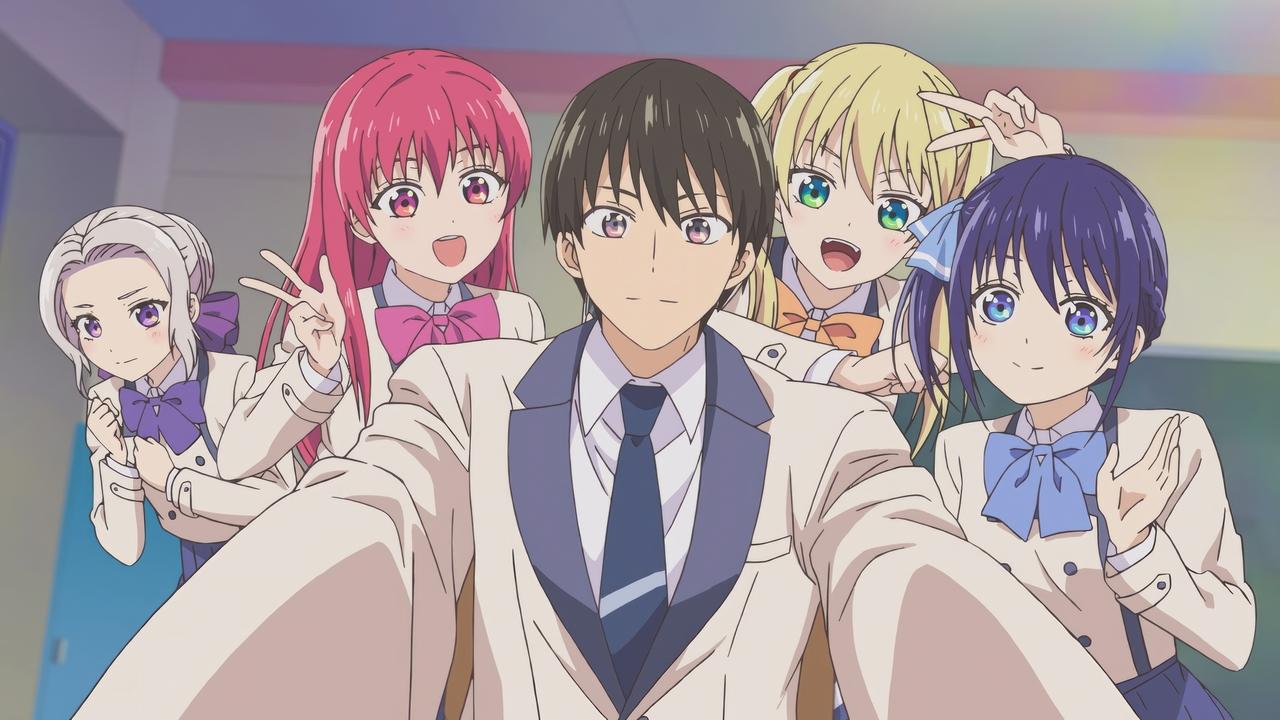

Shows Like Girlfriend, Girlfriend
Naoya Mukai has loved Saki Saki since grade school, and when she finally accepts his feelings, he's at his happiest. But one day, a cute girl named Nagisa Minase confesses to him! Not wishing to choose only one over another, Naoya chooses to go out with both of them!! What will be of this love triangle that challenges morality itself?
Ranked by shared creators, cast, themes, genre, and network — not just generic recommendations.

The 100 Girlfriends Who Really, Really, Really, Really, REALLY Love You
Consensual polygamy romcom anime with a growing girlfriend roster; same absurdist comedic energy and shounen harem premise.

Kaguya-sama: Love Is War
High school romcom anime with sharp comedic timing and romantic tension; overlapping audience and tone despite no harem element.
Osamake: Romcom Where the Childhood Friend Won't Lose
Love-triangle harem romcom in high school; rivals vying for the same guy, same comedic chaos and Ayane Sakura overlap.

A Couple of Cuckoos
Forced-cohabitation love triangle romcom anime; multiple girls, comedic misunderstandings, same high school shounen DNA.
Rent-a-Girlfriend
Shounen harem romcom with a hapless MC juggling multiple romantic relationships; highly similar tone and fan base.
Pseudo Harem
One girl playing multiple personas to simulate a harem for her boyfriend; comedy-first school romcom with harem meta-commentary.
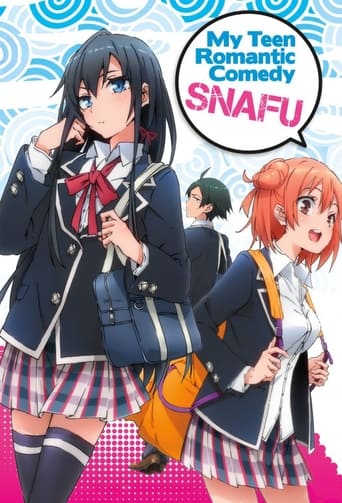
My Teen Romantic Comedy SNAFU
High school romcom anime with a love triangle and strong character comedy; tonal overlap despite no explicit harem framing.

Horimiya: The Missing Pieces
High school romcom anime; established couple side-stories with warm comedy — same school slice-of-life romcom feel.
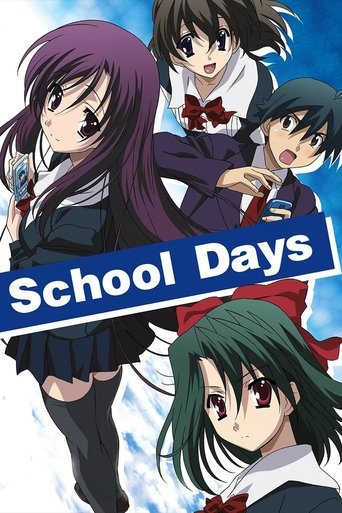
School Days
High school love-triangle anime involving multiple romantic entanglements; tonal opposite (dark) but direct thematic mirror.

The Dreaming Boy Is a Realist
School romcom anime with oblivious romantic miscommunication; same shounen slice-of-life high school romcom niche.

Our Dating Story: The Experienced You and the Inexperienced Me
High school established-couple romcom anime; same school comedy feel, overlapping cast (Aoi Koga).

Shikimori's Not Just a Cutie
High school romcom anime with an established couple; comedy and cute moments, same slice-of-life school romcom tone.
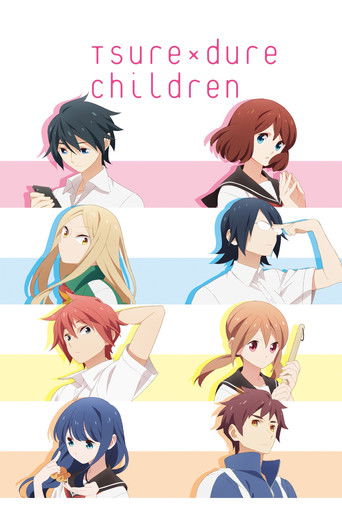
Tsuredure Children
Short-form anthology of high school love confessions; comedic and heartfelt romcom energy in the same school setting.
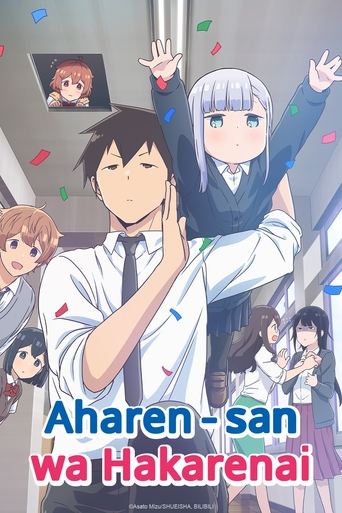
Aharen-san wa Hakarenai
High school romcom slice-of-life with comedy-first approach; quirky couple dynamic appeals to the same romcom audience.
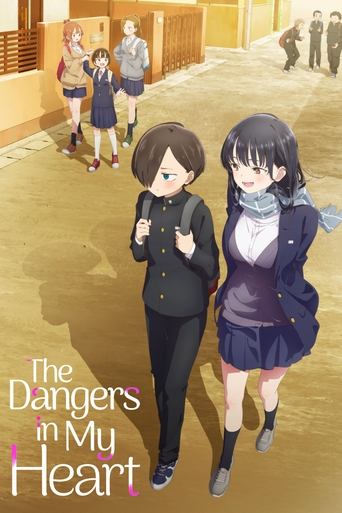
The Dangers in My Heart
Middle school slow-burn romance anime; sweet comedic tone and character growth overlap with G×G's romcom fanbase.
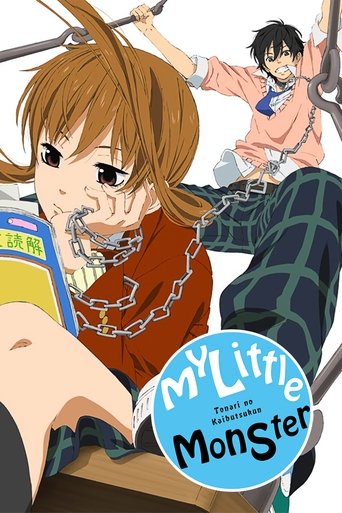
My Little Monster
Shoujo high school romcom with love polygon; shares school romance comedy but targets a different demographic.

Blue Spring Ride
Shoujo school romance with love triangle; emotional rather than comedic, but appeals to overlapping anime romance fans.

Good Morning Call
Live-action J-drama with cohabitation and love triangle; shares romantic comedy premise but different medium and tone.
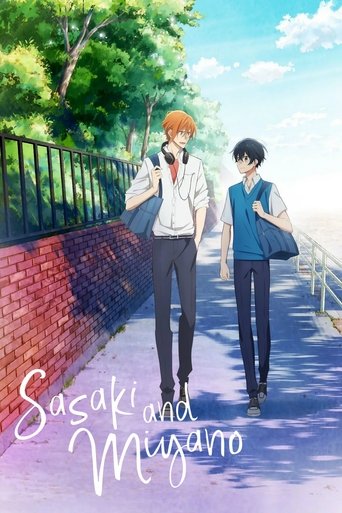
Sasaki and Miyano
High school slow-burn romance anime; shares school setting and character warmth but targets BL audience, no harem element.
How Good Is Girlfriend, Girlfriend?
Ratings across IMDb and TMDB, plus our verdict.
Where to Watch Girlfriend, Girlfriend
Streaming, rental, and purchase options across 40+ countries.
United States
USStream
2 Crunchyroll
 Crunchyroll Amazon Channel
Buy
2 Apple TV Store
 Amazon Video
Available in 110 countries
Frequently asked about Girlfriend, Girlfriend
Common questions people search for, with answers written by us at MoviesPack.
Why does Naoya insist on pursuing a simultaneous relationship with both Saki and Milika rather than simply choosing one?
Naoya's core motivation is radical honesty — he refuses to cheat or deceive, so when he develops feelings for Milika, he believes the only ethical path is to be fully transparent and ask both girls to agree to the arrangement. He genuinely cannot bring himself to abandon either relationship, viewing concealment as worse than the unconventional arrangement itself. This obsessive commitment to honesty, however misguided, drives nearly every conflict in the series.
What is Saki's internal conflict about accepting the dual-girlfriend arrangement?
Saki reluctantly agrees to the arrangement primarily because she fears losing Naoya entirely if she refuses, reasoning that sharing him is better than not having him at all. She struggles throughout the series with jealousy and wounded pride, often acting tsundere to mask how deeply she is hurt. Her arc explores the tension between wanting Naoya exclusively and her inability to simply walk away from the relationship they have built since childhood.
Why does Milika move into Naoya and Saki's home, and how does that escalate the central tension?
Milika forces her way into the living situation by threatening to reveal the dual-relationship arrangement to their families and the public unless she is given equal access to Naoya. Her presence under the same roof transforms the abstract emotional triangle into a daily, inescapable contest, forcing Saki and Milika to coexist and, gradually, interact as something closer to reluctant allies than pure rivals. The cohabitation premise is the engine for most of the series' comedic and dramatic conflicts.
What role does Shino play in the story, and what is the significance of her secret feelings?
Shino is Naoya's childhood friend who harbors deep romantic feelings for him but keeps them hidden, choosing instead to act as a confidant and occasional co-conspirator. Her unrequited love adds a fourth emotional dimension to the love polygon and raises questions about whether honesty truly governs the group's dynamics, since Shino's feelings remain largely unacknowledged. Her presence implicitly critiques Naoya's arrangement by showing that someone who genuinely loves him from the sidelines receives far less attention than the two girls he formally accepts.
Does the series offer any resolution to whether the dual-relationship arrangement is sustainable or morally justified?
The series leans toward presenting the arrangement as genuinely chaotic and emotionally costly rather than a tidy fantasy, with characters repeatedly facing jealousy, social stigma, and misunderstandings that test everyone's commitment to the agreement. Rather than delivering a clean moral verdict, the narrative keeps all three participants in an unresolved but evolving dynamic, suggesting that the arrangement functions only because of extraordinary emotional effort and tolerance for pain. The open-ended progression implies the question of sustainability is intentionally left for readers to judge rather than answered by the plot.
Recent Updates
New Trailer: Girlfriend, Girlfriend