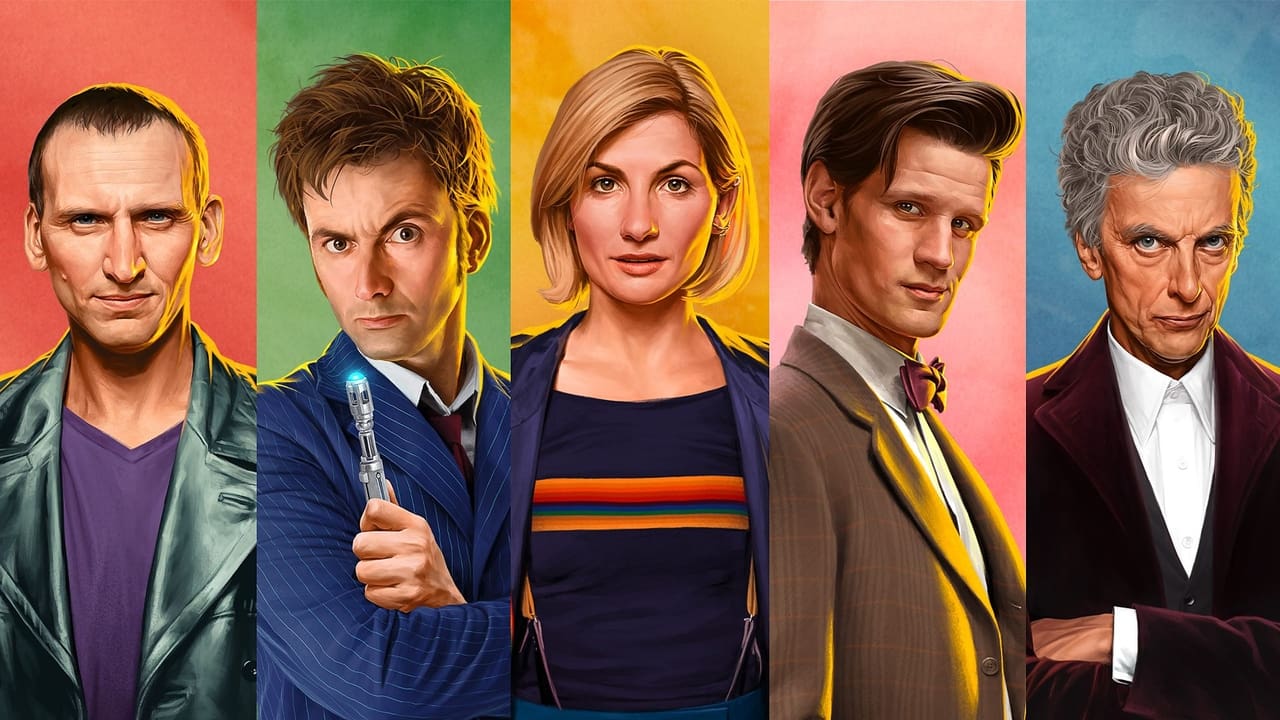

Shows Like Doctor Who
The Doctor is a Time Lord: a 900 year old alien with 2 hearts, part of a gifted civilization who mastered time travel. The Doctor saves planets for a living—more of a hobby actually, and the Doctor's very, very good at it.
Ranked by shared creators, cast, themes, genre, and network — not just generic recommendations.
Doctor Who
The original series — same franchise, same TARDIS, same Time Lord; direct predecessor to the 2005 revival.
Doctor Who
Same franchise continuation with Ncuti Gatwa; same universe, same showrunner lineage (RTD returned).
The Sarah Jane Adventures
Direct Doctor Who spin-off by Russell T Davies; Sarah Jane is a recurring Doctor companion, same universe.
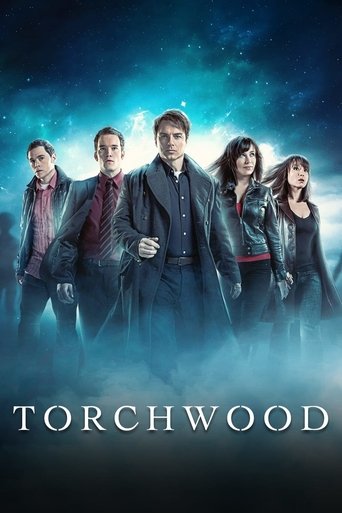
Torchwood
Doctor Who spin-off by Russell T Davies; Captain Jack Harkness, same Whoniverse, adult-oriented tone.
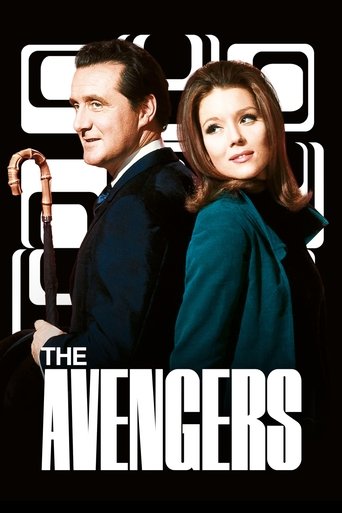
The Avengers
Created by Sydney Newman (also co-created Doctor Who); quintessential British sci-fi adventure with same witty tone.
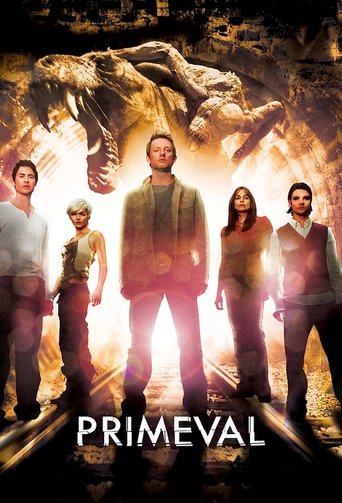
Primeval
British sci-fi adventure; anomalies threatening Earth, serialized team format, same BBC-adjacent audience.
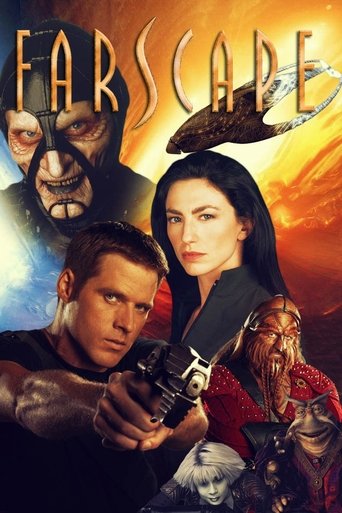
Farscape
Quirky, serialized sci-fi adventure following an outsider navigating alien worlds; similar wit and emotional depth.
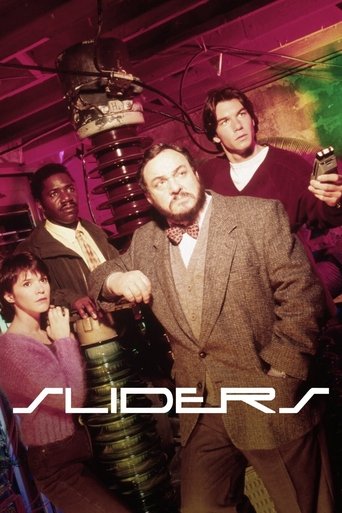
Sliders
Dimension-hopping adventure with a small team; episodic format, each 'slide' a new world, same genre DNA.
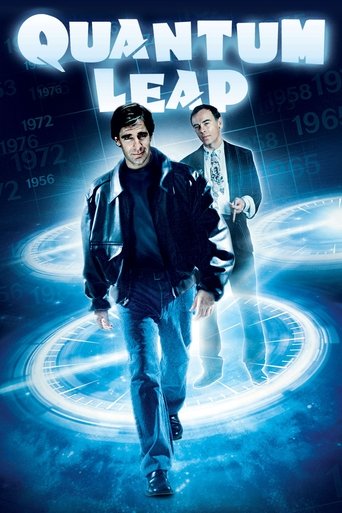
Quantum Leap
Time-travel anthology adventure; lone traveler fixing history with a companion guide, whimsical and humane tone.

Timeless
Serialized time-travel adventure drama; small team jumps through history battling a shadowy threat, similar energy.
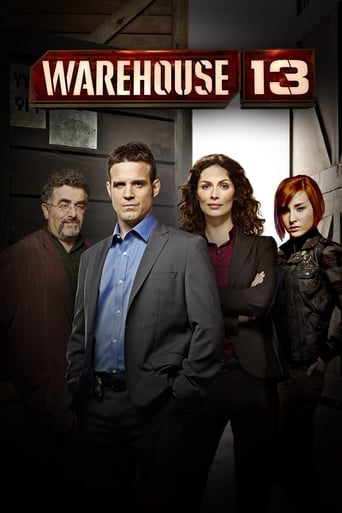
Warehouse 13
Quirky sci-fi adventure with artifact-hunting agents; same witty banter, serialized mythology, broad family appeal.
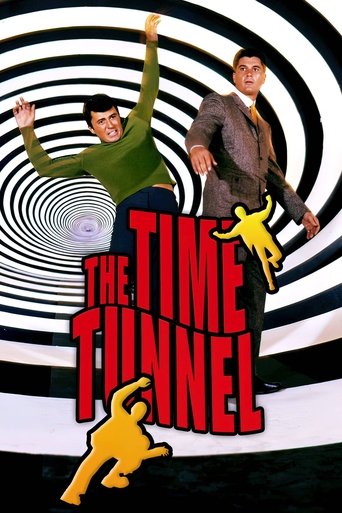
The Time Tunnel
Classic time-travel adventure series; scientists leap through history each episode, same genre blueprint.
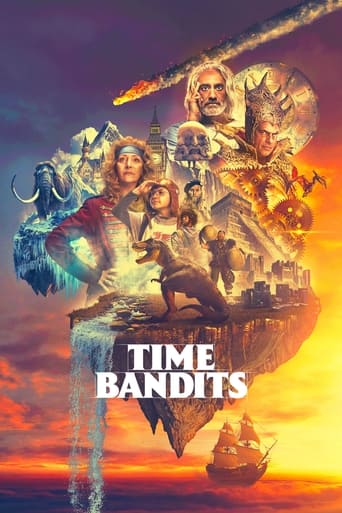
Time Bandits
Time-traveling adventure comedy by Taika Waititi; irreverent tone, history-hopping, family-friendly appeal.
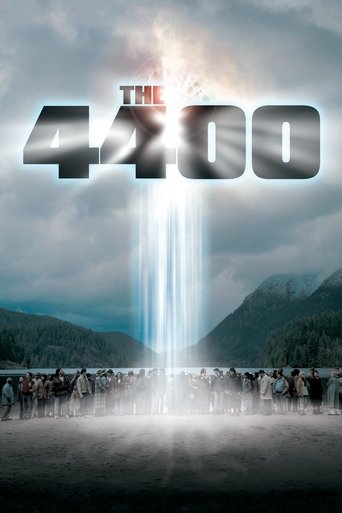
The 4400
Serialized sci-fi drama with mystery and paranormal phenomena; similar audience but no time-travel protagonist.
Seven Days
Secret-government time-travel sci-fi; same loop premise but procedural structure and more grounded tone.
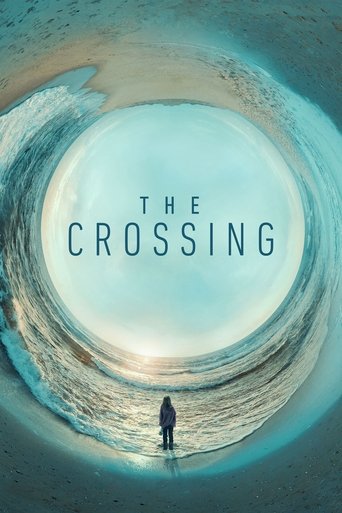
The Crossing
Refugees from the future arrive in the present; time-travel sci-fi drama but thriller-leaning, less adventurous.

Falling Skies
Alien invasion serialized drama; shares sci-fi/alien DNA but darker, militaristic, no time travel or whimsy.

Andromeda
Gene Roddenberry space opera; serialized sci-fi with a crew restoring civilization, similar scale but tonally different.
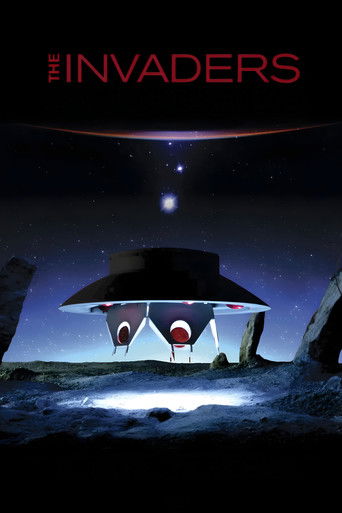
The Invaders
Alien infiltration sci-fi thriller; shares alien-on-Earth premise but paranoid/noir tone, no time travel or humor.
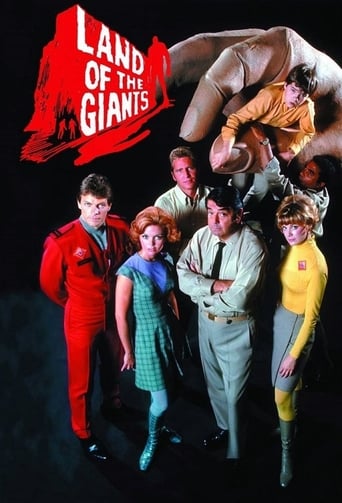
Land of the Giants
Irwin Allen sci-fi adventure with a stranded crew; shares era and adventure format but different premise and tone.
How Good Is Doctor Who?
Ratings across IMDb and TMDB, plus our verdict.
Where to Watch Doctor Who
Streaming, rental, and purchase options across 40+ countries.
United States
USStream
6 Philo
Philo AMC Plus Apple TV channel
 AMC+ Amazon Channel
 AMC+ Roku Premium Channel
 Spectrum On Demand
 Kanopy
Free with Ads
2 Hoopla
 The Roku Channel
Buy
4 Amazon Video
 Fandango At Home
 Amazon DVD / Blu-ray
 GRUV
GRUVAvailable in 12 countries
Frequently asked about Doctor Who
Common questions people search for, with answers written by us at MoviesPack.
Why does the Doctor regenerate instead of dying?
Time Lords possess a biological ability called regeneration, which allows them to cheat death by transforming every cell in their body, producing an entirely new physical form and somewhat altered personality. The process was introduced in 1966 to allow the show to continue after William Hartnell's departure, and later formalised in the lore as a trait unique to Time Lords from Gallifrey. A Time Lord can regenerate up to twelve times, giving them thirteen incarnations in total, though the Doctor has been granted additional regeneration cycles more than once.
Who or what is the Master, and why does he keep opposing the Doctor?
The Master is a renegade Time Lord and the Doctor's oldest friend-turned-nemesis, having known the Doctor since childhood on Gallifrey. His obsession with power and conquest directly conflicts with the Doctor's protective attitude toward the universe, but their history also means the rivalry is deeply personal rather than purely ideological. In the revived series it is revealed that as a child the Master stared into the Untempered Schism — a gap in the fabric of reality — and was driven partially mad, hearing a rhythmic drumbeat in his head that the Time Lords had implanted as part of a contingency plan.
What happened to Gallifrey and the other Time Lords?
During the Last Great Time War, the Doctor used a weapon called the Moment to destroy both the Daleks and Gallifrey simultaneously, apparently killing all Time Lords to end the war — a decision that haunted him as the self-styled 'War Doctor.' The Tenth Doctor's era later revealed the Time Lords had planned to sacrifice all of reality to ascend beyond physical existence, justifying the Doctor's choice. In the Eleventh Doctor's era it was retconned that the Doctor, with help from all his incarnations, instead froze Gallifrey in a pocket universe rather than destroying it, though it remained inaccessible for a long time.
What is the significance of 'Bad Wolf' in Series 1?
Throughout Series 1 of the revived show, the phrase 'Bad Wolf' appears as a recurring message scattered across time and space — graffiti, broadcast names, alien words — that the Doctor and Rose keep encountering without understanding why. At the series finale Rose absorbs the entire time vortex from the heart of the TARDIS, briefly becoming the near-omnipotent entity known as Bad Wolf. In that state she scatters the words 'Bad Wolf' throughout history as a message to herself, a self-creating loop that ensures she will find the TARDIS and gain the power needed to save the Doctor from the Daleks.
Why does the TARDIS look like a 1960s British police box?
The TARDIS has a chameleon circuit that is supposed to disguise it as an ordinary object in whatever environment it lands. When the Doctor first arrived in 1960s London, the circuit malfunctioned and locked the exterior in the shape of a Metropolitan Police telephone box that was common on British streets at the time. The Doctor has never repaired the circuit, partly through neglect and partly because he has grown fond of the blue box appearance, making it an accidental but iconic part of the ship's identity.
Recent Updates
New Trailer: Doctor Who