Movies Like The Godfather
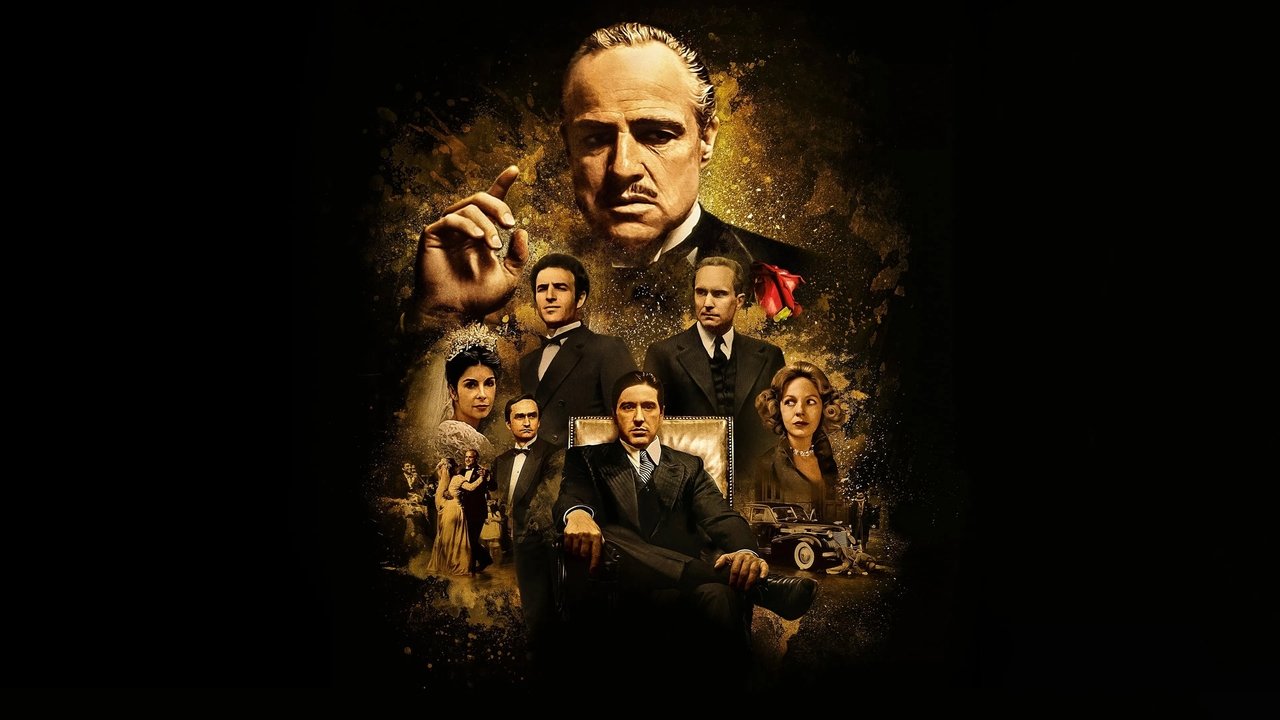
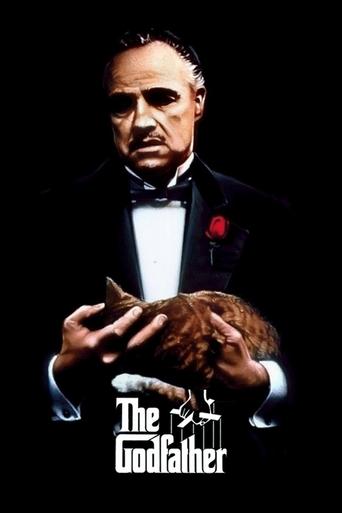
Spanning the years 1945 to 1955, a chronicle of the fictional Italian-American Corleone crime family. When organized crime family patriarch, Vito Corleone barely survives an attempt on his life, his youngest son, Michael steps in to take care of the would-be killers, launching a campaign of bloody revenge.
Ranked by shared directors, cast, themes, genre, and era — not just generic recommendations.
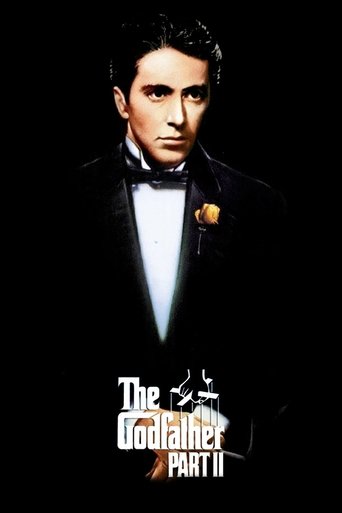
The Godfather Part II
Direct sequel in the Corleone saga; same director, overlapping cast, continues the exact story
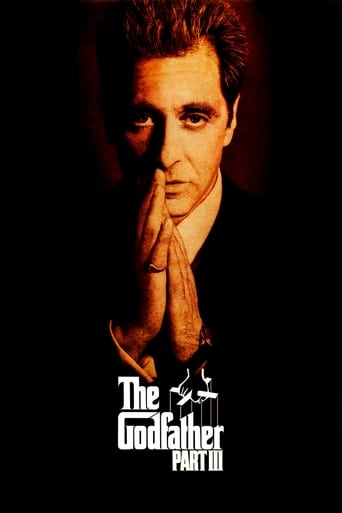
The Godfather Part III
Third entry in the Corleone franchise; Coppola, Pacino, Keaton, Shire — same universe

GoodFellas
Scorsese's Italian-American mafia epic; same prestige crime genre, tone, and audience
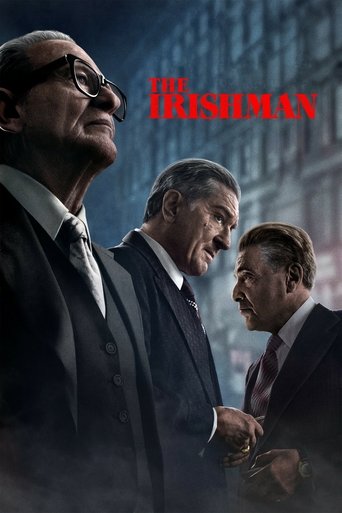
The Irishman
Scorsese mafia epic starring Pacino & De Niro; meditative crime saga matching Godfather's scale
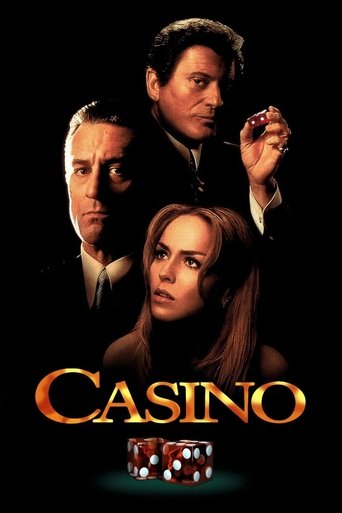
Casino
Scorsese, De Niro, Pesci — organized crime rise-and-fall epic with same gravitas and style
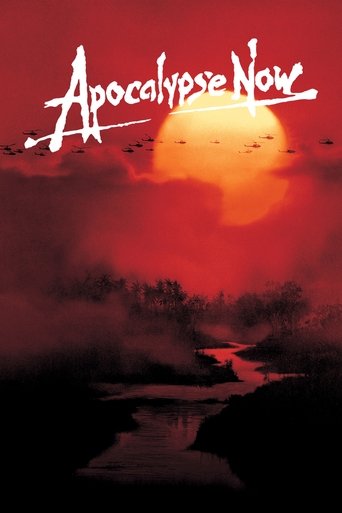
Apocalypse Now
Coppola directed; shares Brando & Duvall; epic, morally complex portrait of power and violence
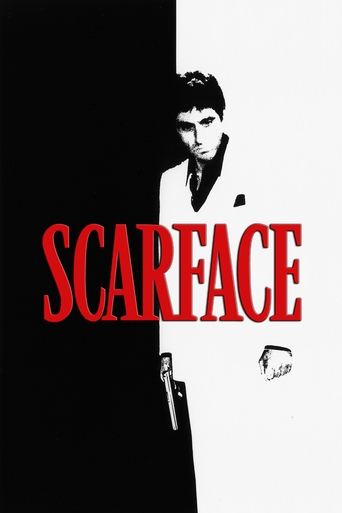
Scarface
Al Pacino crime rise-and-fall; same criminal empire theme, intense drama, iconic status
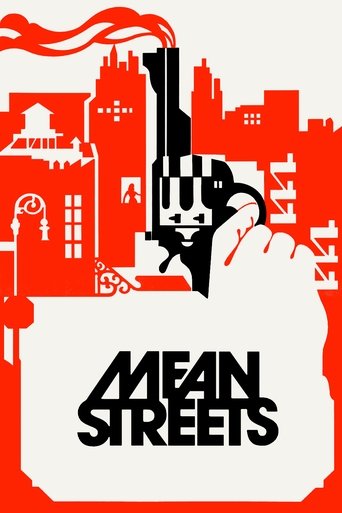
Mean Streets
Scorsese's Italian-American crime drama; same neighborhood, loyalty, and moral weight
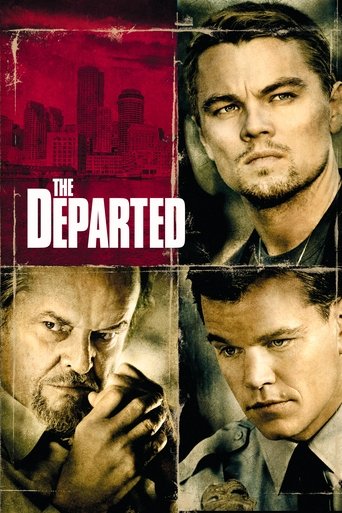
The Departed
Scorsese crime masterpiece; organized crime, betrayal, complex loyalties — prestige crime peer
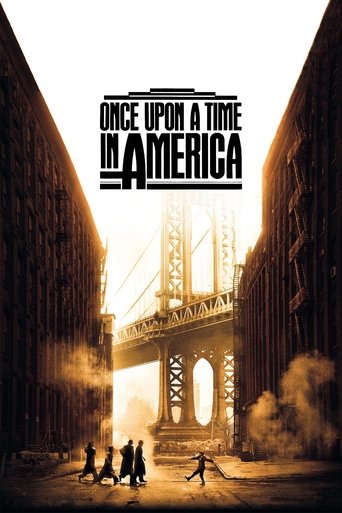
Once Upon a Time in America
Sergio Leone epic; Jewish-American crime family over decades, same epic scope and melancholy
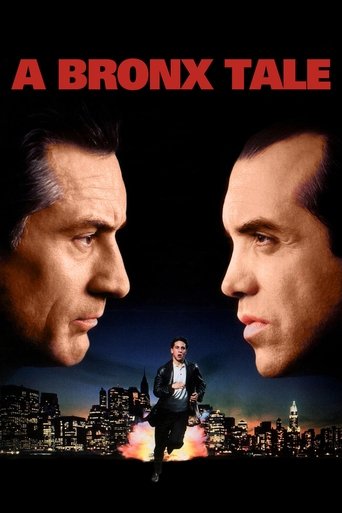
A Bronx Tale
Italian-American mafia family drama; father-son loyalty conflict mirrors Michael/Vito dynamic
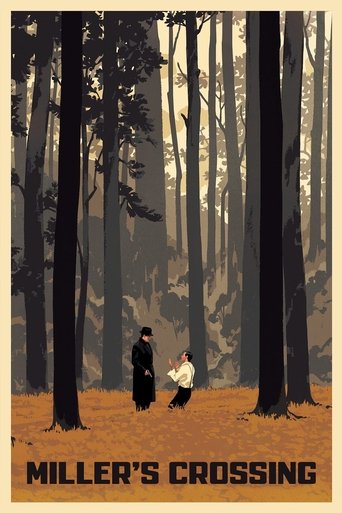
Miller's Crossing
Coen Brothers crime masterpiece; mob war, loyalty, betrayal — prestige crime with identical audience
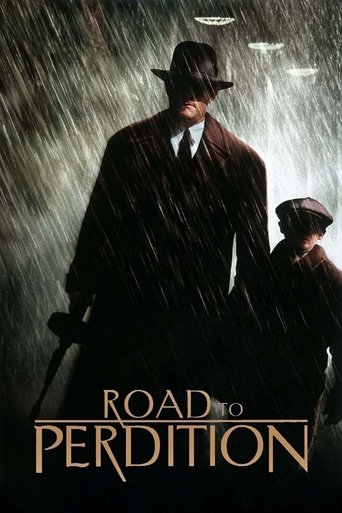
Road to Perdition
Crime family drama about father-son bonds within the mob; same tone, themes, and prestige weight
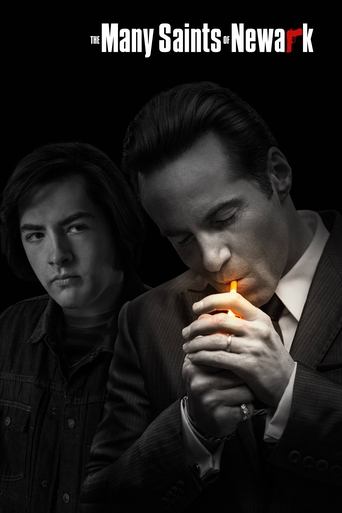
The Many Saints of Newark
Italian-American mafia family origin story; Sopranos prequel directly adjacent to Godfather's niche
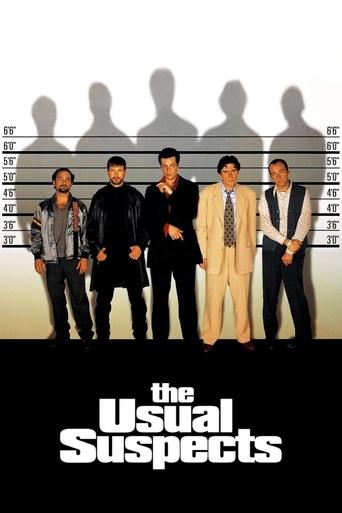
The Usual Suspects
Crime drama with crime-boss mythology and intense plotting; same audience, slightly different tone
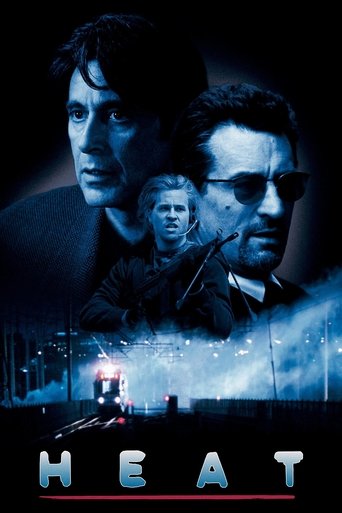
Heat
Michael Mann crime epic; Pacino & De Niro, serious crime drama with same prestige ambition

The Outfit
Robert Duvall mafia revenge crime drama from same era; same genre shelf, lower profile
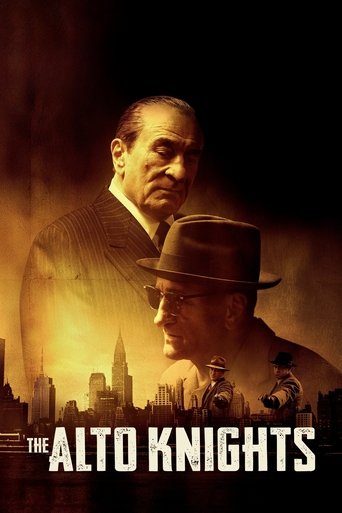
The Alto Knights
True-crime NYC mob boss biopic; mafia power struggle, 1950s setting aligns with Godfather era
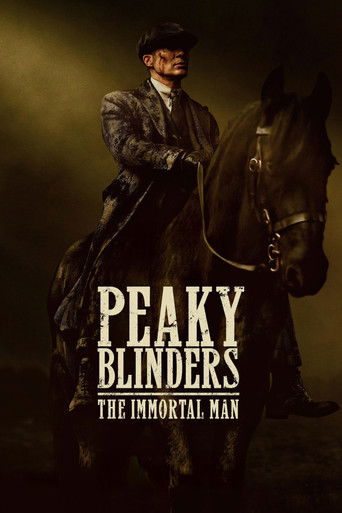
Peaky Blinders: The Immortal Man
Prestige gangster period drama; organized crime family, loyalty and betrayal — adjacent shelf
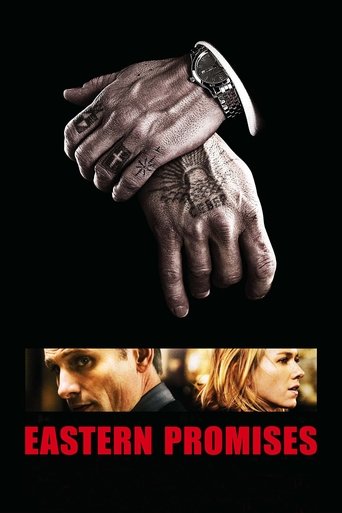
Eastern Promises
Cronenberg; Russian mob organized crime drama with same moral gravity and violence as Godfather
How Good Is The Godfather?
Ratings across IMDb, Rotten Tomatoes, Metacritic, and TMDB, plus our verdict.
Where to Watch The Godfather
Streaming, rental, and purchase options across 40+ countries.
United States
USStream
9 fuboTV
 MGM+ Amazon Channel
 Paramount Plus Premium
 Paramount Plus Essential
 Philo
Philo Paramount+ Amazon Channel
 MGM Plus Roku Premium Channel
 MGM Plus
 Paramount+ Roku Premium Channel
Rent
6 JustWatch TV
 Amazon Video
 Apple TV Store
 Fandango At Home
 FlixFling
 Spectrum On Demand
Buy
6 Barnes & NobleAmazon VideoApple TV StoreFandango At Home
 Amazon DVD / Blu-ray
 Zavvi
ZavviAvailable in 100 countries
Frequently asked about The Godfather
Common questions people search for, with answers written by us at MoviesPack.
How old was Al Pacino when he filmed Godfather 1?
Al Pacino was 31 years old during principal photography of The Godfather, which was shot in 1971 before its 1972 release. Born on April 25, 1940, he played Michael Corleone, a character considerably younger than himself across much of the film.
Who turned down roles in The Godfather?
Several major stars passed on roles in the film, with Robert Redford, Ryan O'Neal, Warren Beatty, and Jack Nicholson among those who reportedly declined or were considered for Michael Corleone before Al Pacino was cast. Laurence Olivier and Ernest Borgnine were also discussed for Vito Corleone before Marlon Brando secured the part.
Was Godfather a true story?
The Godfather is a work of fiction adapted from Mario Puzo's 1969 novel, not a literal true story. However, Puzo drew on real-world organized crime history, and characters such as Vito Corleone and Johnny Fontane are widely thought to be inspired by figures like Frank Costello, Carlo Gambino, and Frank Sinatra.
Why does Michael Corleone volunteer to kill Sollozzo and McCluskey, despite having no prior involvement in the family's criminal operations?
After Vito is shot and nearly killed, Michael recognizes the family is vulnerable and that Sollozzo will strike again unless stopped at the source. He volunteers because he is the only Corleone whom Sollozzo won't expect to be armed — Michael is publicly known as the 'civilian' son who stayed out of the business. The act is cold pragmatism rather than gangster ambition, but it is the point of no return that begins his transformation into the new Don.
What is the significance of oranges appearing throughout the film?
Oranges function as a recurring visual omen of imminent death or danger: Vito buys oranges moments before he is shot, Sonny is killed shortly after oranges appear at the tollbooth scene, and Vito himself dies while playing with an orange in the garden. Coppola and cinematographer Gordon Willis used the motif deliberately to give the film an internal visual grammar, signaling to attentive viewers that violence or mortality is close at hand.
Why does Vito refuse to back Sollozzo's drug operation at the start of the film?
Vito's refusal is strategic rather than moral: he has spent decades cultivating politicians and judges as allies, and he believes those relationships — which underpin all of his power — will not survive association with the narcotics trade, which those same politicians find politically toxic. He is willing to provide financing and introductions but will not become a direct partner in a business he calculates carries disproportionate risk to his existing network. His concern is exposure, not ethics.
What does Vito mean when he tells Michael 'I never wanted this for you' in the garden?
Vito confesses that his decades of violence and compromise were always intended to give his children — especially Michael, the college-educated war hero — a legitimate life above the criminal world, not inside it. He had imagined Michael becoming a senator or governor, using Corleone wealth as a foundation for respectability. The conversation carries quiet grief: his own methods have produced the very outcome he hoped to spare his favorite son from, and he knows he cannot undo it.
What does the closing shot — the door shutting on Kay — mean?
After orchestrating the simultaneous killing of all rival family heads, Michael is kissed on the hand and addressed as 'Don Corleone' by his capos. When Kay asks directly whether he ordered those murders, he lies and she accepts it. The door closing between them is Coppola's final image of Michael's complete transformation: Kay is literally and symbolically shut out of the truth, left outside a world Michael has now fully and irreversibly entered. It suggests the marriage ahead will be built on a lie as foundational as the Corleone empire itself.
Recent Updates
New Teaser: The Godfather
New Trailer: The Godfather
The Godfather now streaming on Rakuten TV (FR)
The Godfather now streaming on Sooner (FR)
The Godfather now streaming on Pathé Home (FR)