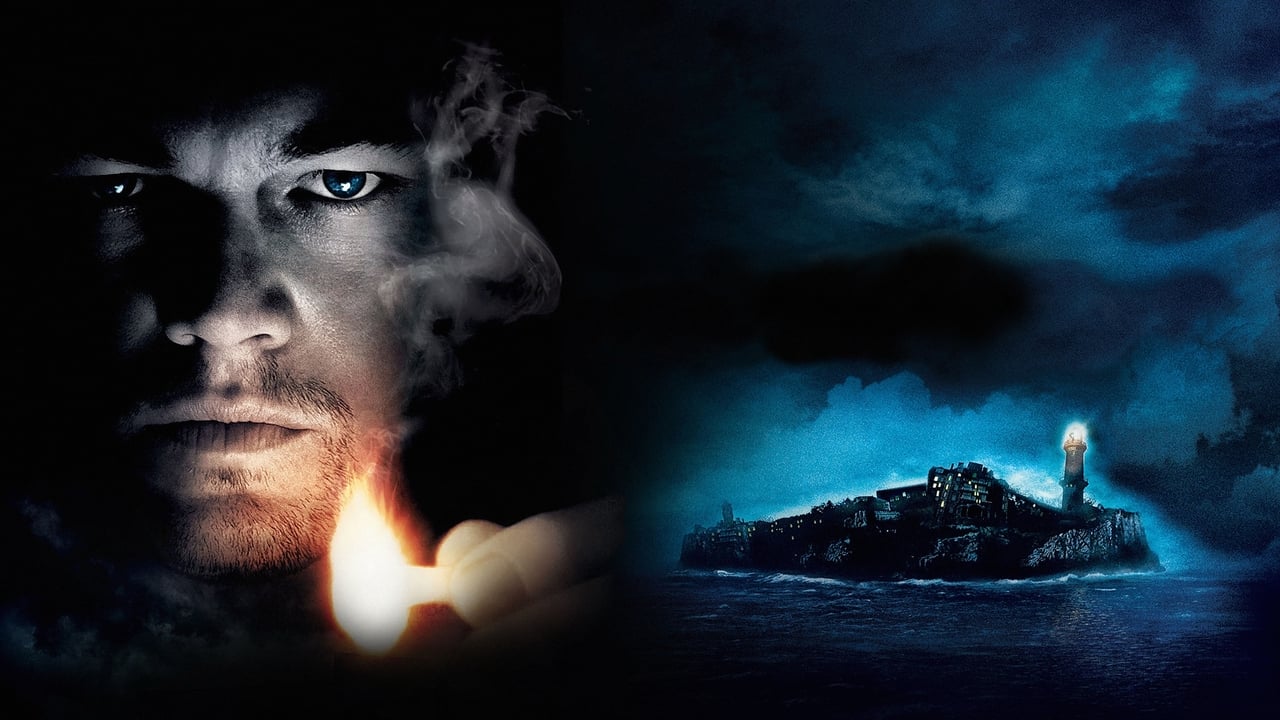
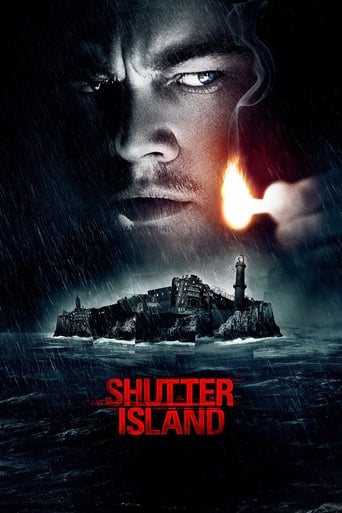
Movies Like Shutter Island
World War II soldier-turned-U.S. Marshal Teddy Daniels investigates the disappearance of a patient from a hospital for the criminally insane, but his efforts are compromised by troubling visions and a mysterious doctor.
Ranked by shared directors, cast, themes, genre, and era — not just generic recommendations.
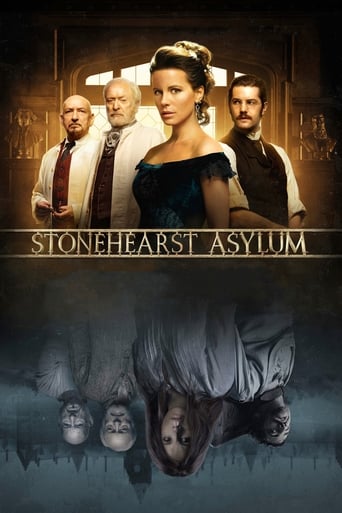
Stonehearst Asylum
Psychiatric asylum mystery with switched identities and a doctor-patient twist; the closest tonal and thematic sibling.
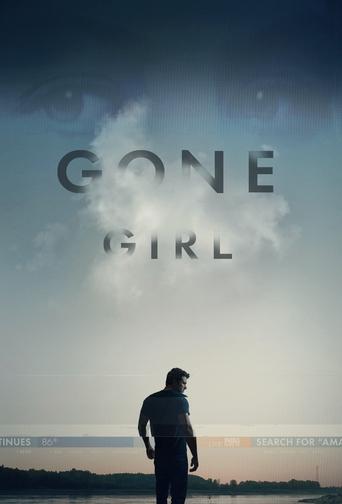
Gone Girl
Psychological thriller whodunit with unreliable perception and an investigation that flips on its head.
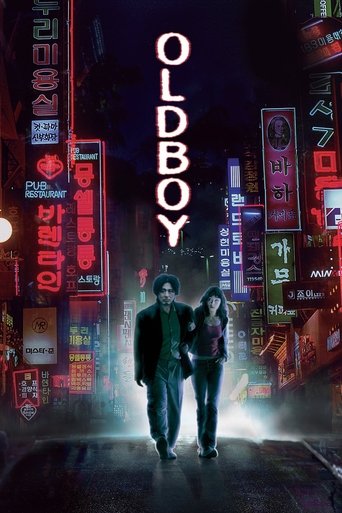
Oldboy
Mind-bending neo-noir mystery about identity, manipulation and a devastating reveal.
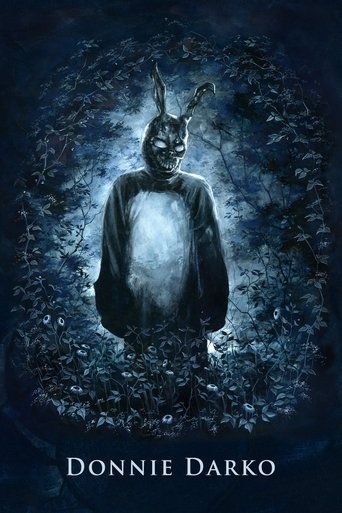
Donnie Darko
Hallucinatory psychological mystery blurring delusion, memory and reality.
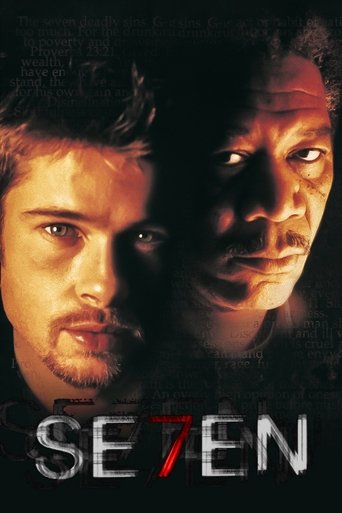
Se7en
Dark, oppressive detective thriller with the same dread-soaked investigative atmosphere.
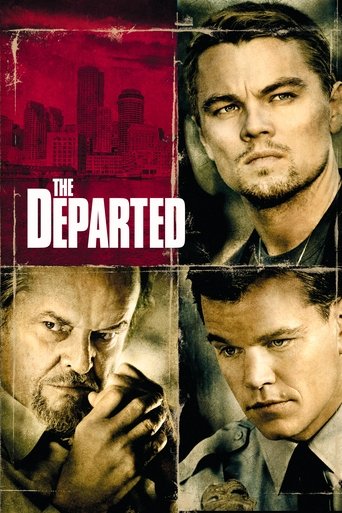
The Departed
Scorsese + DiCaprio thriller about hidden identities and conspiracies closing in.
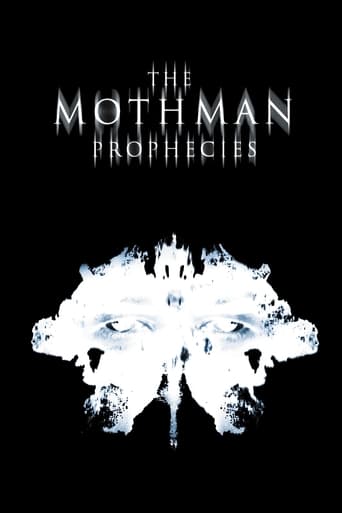
The Mothman Prophecies
Investigator plagued by visions, premonitions and a mystery he may not be able to trust.
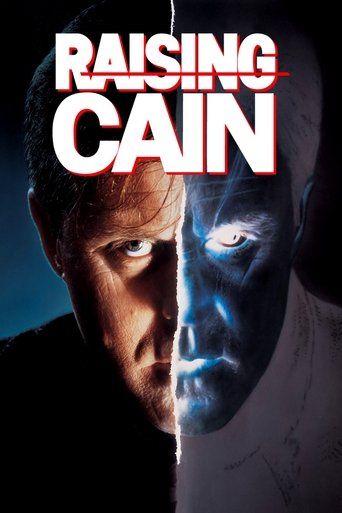
Raising Cain
Psychiatric thriller of fractured identity, multiple personalities and hypnotic suggestion.

Dolores Claiborne
Brooding island-set mystery about repressed trauma and a long-buried truth.
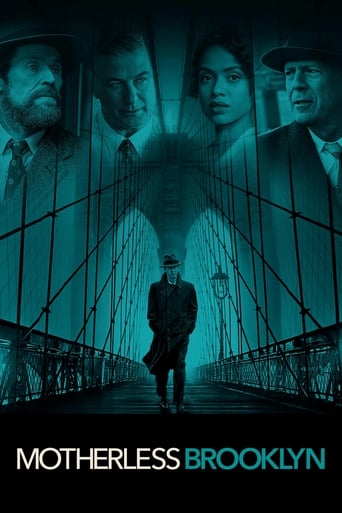
Motherless Brooklyn
1950s neo-noir investigation with a damaged detective unraveling a conspiracy.
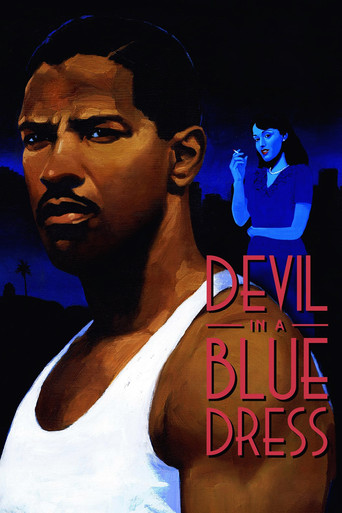
Devil in a Blue Dress
Period neo-noir investigation with WWII-veteran lead and a missing-person mystery.

Remember
WWII-trauma psychological thriller about a fractured mind chasing a buried truth.
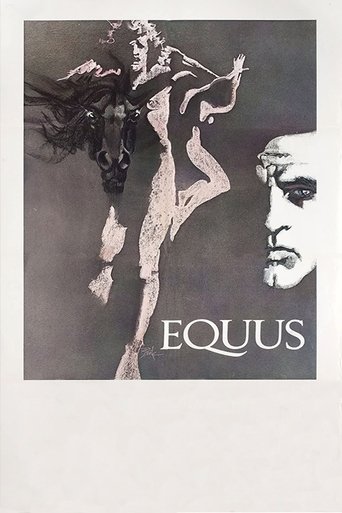
Equus
Psychiatrist investigates a disturbed patient — clinical psychological mystery in spirit.
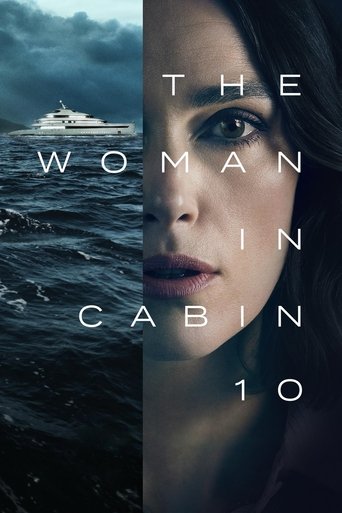
The Woman in Cabin 10
Isolated-setting whodunit where the protagonist's account is doubted by everyone.

The Good Nurse
Slow-burn medical-institution mystery investigating sinister hospital deaths.

Blade Runner
Tech-noir investigation that questions identity, memory and what's real.
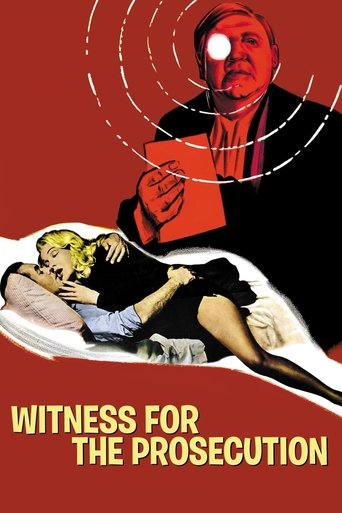
Witness for the Prosecution
Classic 1950s-set mystery with a rug-pull twist that recontextualizes everything.
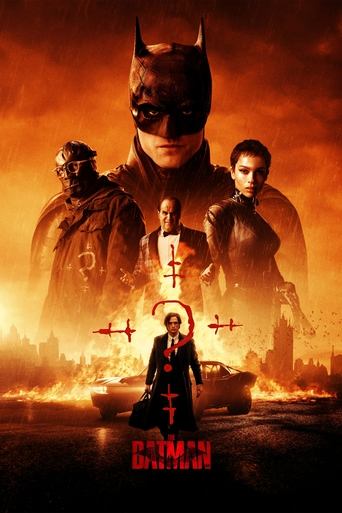
The Batman
Neo-noir serial-mystery with rain-soaked dread and a detective unraveling a conspiracy.

The King Tide
Isolated island community thriller turning paranoid and conspiratorial.
Night Train to Lisbon
Mystery driven by a man chasing fragments of another life and identity.
How Good Is Shutter Island?
Ratings across IMDb, Rotten Tomatoes, Metacritic, and TMDB, plus our verdict.
Where to Watch Shutter Island
Streaming, rental, and purchase options across 40+ countries.
United States
USStream
7 fuboTV
 Paramount Plus Premium
 Paramount Plus Essential
 Philo
Philo Paramount+ Amazon Channel
 Paramount+ Roku Premium Channel
 Starz Amazon Channel
Rent
6 JustWatch TV
 Amazon Video
 FlixFling
 Spectrum On Demand
 Apple TV Store
 Fandango At Home
Buy
6Amazon VideoApple TV StoreFandango At Home Barnes & Noble
 Amazon DVD / Blu-ray
 Zavvi
ZavviAvailable in 87 countries
Frequently asked about Shutter Island
Common questions people search for, with answers written by us at MoviesPack.
Is Shutter Island based in True Story?
No, Shutter Island is not based on a true story. It is adapted from the 2003 novel of the same name by Dennis Lehane, which is a work of fiction.
Is Shutter Island scary or just disturbing?
Shutter Island is generally considered more disturbing and psychologically unsettling than outright scary. It is a mystery thriller with horror-tinged atmosphere, dark imagery, and unsettling themes rather than jump scares.
What was the point of the movie Shutter Island?
The film explores trauma, guilt, and the lengths the mind will go to escape unbearable reality. It follows a roleplay therapy experiment designed to break a delusional patient out of his constructed identity by letting him live it out to its conclusion.
What is the actual ending of Shutter Island?
In the ending, Teddy Daniels is revealed to be Andrew Laeddis, a patient at Ashecliffe who killed his wife after she drowned their children, and the entire investigation was an elaborate roleplay devised by Dr. Cawley. Although Andrew briefly regains lucidity, he relapses (or pretends to) and asks Chuck whether it is better 'to live as a monster or to die as a good man,' before being led away for a lobotomy.
What is the truth about Teddy Daniels's identity?
Teddy Daniels is not a U.S. Marshal — he is Andrew Laeddis, a patient at Ashecliffe Hospital who has constructed an elaborate delusion over two years to escape an unbearable reality. His wife Dolores drowned their three children, and he shot her afterward; unable to live with that guilt, his mind invented the Teddy Daniels persona along with a fictional missing-person case to occupy himself and avoid confronting what happened.
Is the role-play therapy experiment real or another layer of delusion?
Dr. Cawley and the entire hospital staff staged the 'investigation' as a last-resort psychodrama, allowing Andrew to relive his fantasy under controlled conditions in hopes he would reach the truth himself rather than having it forced on him. The experiment appears to succeed briefly — Andrew fully remembers who he is during the lighthouse confrontation — but by the following morning his mind has reset into the Teddy Daniels delusion, indicating the breakthrough was not permanent.
Why does Andrew seemingly choose to go through with the lobotomy at the end?
In the final scene Andrew appears lucid, yet he deliberately acts as though he is still delusional by calling Chuck 'Chuck' instead of 'Dr. Sheehan' and asking which would be worse — to live as a monster or to die as a good man. This suggests he has consciously decided he cannot endure the guilt of being responsible for his wife's death and the loss of his children, and is choosing the lobotomy as a form of self-erasure rather than living with the full weight of his actions.
Who is the woman in the cave who claims to be the real Rachel Solando?
The cave woman presents herself as a former Ashecliffe psychiatrist who was institutionalized after discovering the hospital's unethical experiments, framing everything Andrew encounters as a government conspiracy. Because her story maps perfectly onto Andrew's pre-existing paranoid delusions about Laeddis and federal cover-ups, she functions — intentionally or not — as a figure who reinforces his fantasy; whether she is a genuine patient, a planted actor in the psychodrama, or a hallucination is deliberately left ambiguous.
What does the recurring imagery of Dolores dissolving into ash represent?
In Andrew's dreams and flashbacks, Dolores crumbles into ash even as she appears loving and present, which reflects his mind's struggle to hold two incompatible truths simultaneously: she was the woman he adored and she drowned their children. The ash also references the real fire Andrew started at their apartment after her breakdown, grounding the surreal image in an actual traumatic event and marking it as one of the film's visual cues that his memories are fragmentary rather than invented.
Recent Updates
New Trailer: Shutter Island
Shutter Island now streaming on Sooner (FR)
Shutter Island now streaming on Pathé Home (FR)
Shutter Island now streaming on Premiere Max (FR)
Shutter Island now streaming on VIVA by videofutur (FR)