

Movies Like Sentimental Value
Sisters Nora and Agnes reunite with their estranged father, the charismatic Gustav, a once-renowned director who offers stage actress Nora a role in what he hopes will be his comeback film. When Nora turns it down, she soon discovers he has given her part to an eager young Hollywood star.
Ranked by shared directors, cast, themes, genre, and era — not just generic recommendations.

The Worst Person in the World

May December

Oslo, August 31st

8½

The Glass Castle

Good Will Hunting
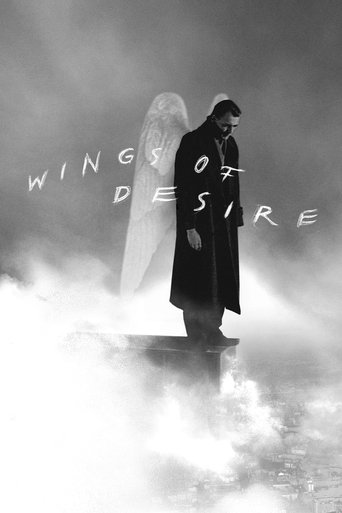
Wings of Desire
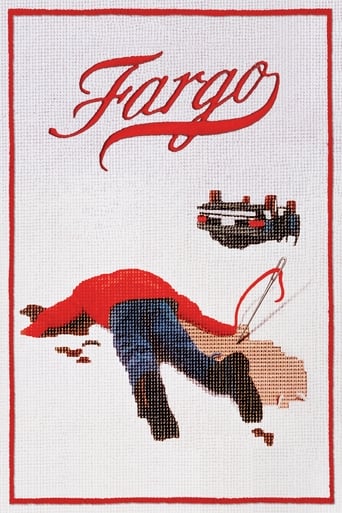
Fargo

The Color Purple

Avatar: The Way of Water

Volver

Hannah and Her Sisters

The Edukators

High Fidelity

The Life Aquatic with Steve Zissou

Absolute Power

The Party
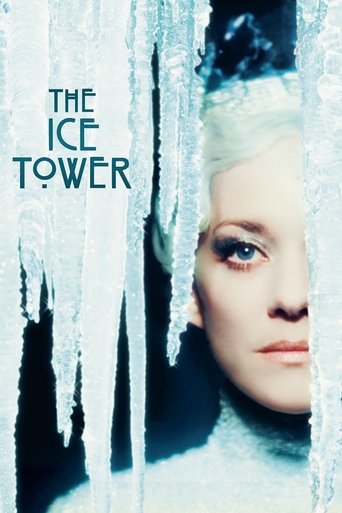
The Ice Tower

Handling the Undead

Fine Manners
How Good Is Sentimental Value?
Ratings across IMDb, Rotten Tomatoes, Metacritic, and TMDB, plus our verdict.
Critics rate this 2.2 points higher than audiences — more appreciated by reviewers than general viewers.
Where to Watch Sentimental Value
Streaming, rental, and purchase options across 40+ countries.
United States
USStream
1 Hulu
HuluFree with Ads
1 Kanopy
Rent
3 Amazon Video
 Apple TV Store
 Fandango At Home
Buy
5Apple TV StoreAmazon VideoFandango At Home Amazon DVD / Blu-ray
 Barnes & Noble
Available in 79 countries
Frequently asked about Sentimental Value
Common questions people search for, with answers written by us at MoviesPack.
Why did Gustav abandon Nora and Agnes when they were children?
Gustav is never shown to offer a clear, spoken explanation for abandoning his daughters — his inability to articulate emotion is a defining trait. The film traces his emotional shutdown back to a childhood trauma: his mother Karin, a Norwegian resistance fighter who had been brutally tortured by the Nazis, died by suicide in the family home when Gustav was seven. That unprocessed grief calcified into a lifelong difficulty connecting with the people closest to him, which ultimately led him to leave his family rather than confront what he felt.
What is Gustav's film actually about, and why is it so personal?
Gustav's comeback film is built around the true story of his own mother, Karin, who was imprisoned and tortured by the Nazis during the occupation of Norway and later took her own life in the family home. Agnes, who works as his researcher, uncovers the full brutality of what Karin endured from historical records. By dramatizing this history, Gustav is attempting to externalize decades of grief and guilt that he has never been able to express directly — the film is, in effect, his substitute for an apology or a confession he cannot speak aloud.
Why does Nora refuse the role in her father's film, and what changes her relationship with him by the end?
Nora declines because the script draws too directly on family wounds she is still carrying — her father's abandonment, her mother's recent death, and her own past suicide attempt — and taking the role would mean exposing that pain on his terms and timeline. The reconciliation that follows is not a conventional forgiveness: Trier deliberately avoids a resolution where the characters say everything is fine. Instead, the final scene between Nora and Gustav is a long, near-silent exchange that acknowledges what cannot be said; they find each other, briefly, through the shared world of art rather than through direct conversation.
What does the family house represent in the film?
The house functions as a silent accumulator of the Borg family's history across three generations — it is where Karin died, where Nora and Agnes grew up listening to their parents argue through the walls, and where Gustav eventually tries to make his film. Trier and co-writer Eskil Vogt treat it almost as a character in its own right: it remains unchanged and immaculate throughout most of the story, embodying frozen grief and unspoken memory. Only at the very end, when the house is finally remodeled, does the film signal that the family's relationship to the past has shifted.
What is the significance of Nora's past suicide attempt in the context of the film's themes?
Nora's attempt mirrors, across generations, both her grandmother Karin's death by suicide and the unspoken emotional inheritance Gustav passed down by abandoning the family. The film suggests that trauma does not stop with the person who first experienced it: Karin's torture and death shaped Gustav's inability to be present, and that absence in turn left Nora feeling untethered and unseen. Her survival, and her eventual willingness to appear in a final scene with her father, represents the film's cautious, unresolved hope that the cycle can be interrupted even without being fully resolved.
Recent Updates
Sentimental Value now streaming on HBO Max Amazon Channel (DE)
Sentimental Value now streaming on Sooner (FR)
Sentimental Value now streaming on ARTE Boutique (FR)
Sentimental Value now streaming on Pathé Home (FR)
Sentimental Value now streaming on Premiere Max (FR)