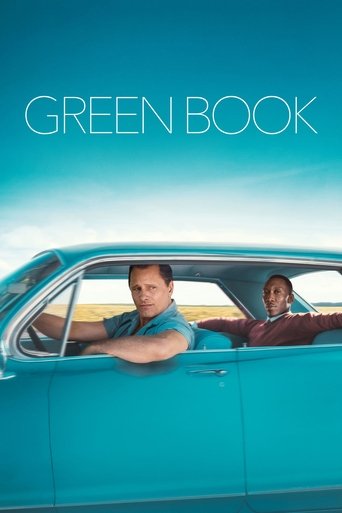
Movies Like Green Book
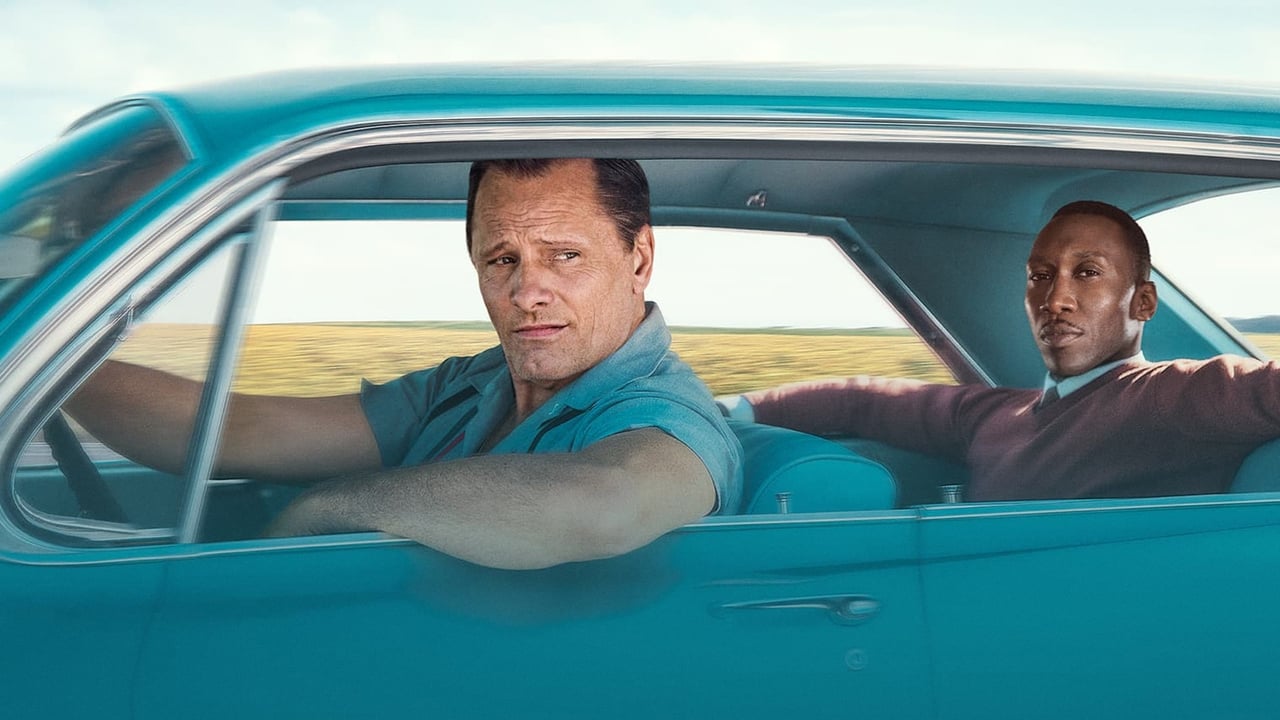
Tony Lip, a bouncer in 1962, is hired to drive pianist Don Shirley on a tour through the Deep South in the days when African Americans, forced to find alternate accommodations and services due to segregation laws below the Mason-Dixon Line, relied on a guide called The Negro Motorist Green Book.
Ranked by shared directors, cast, themes, genre, and era — not just generic recommendations.
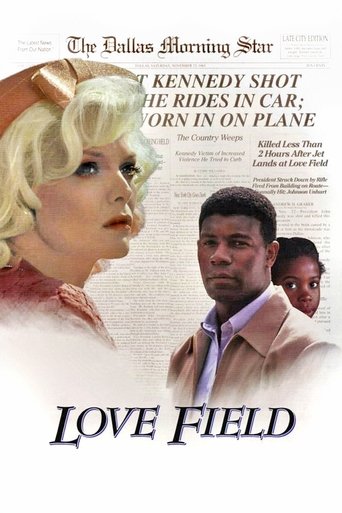
Love Field
1960s interracial road trip across the segregated South — same era, same core dynamic
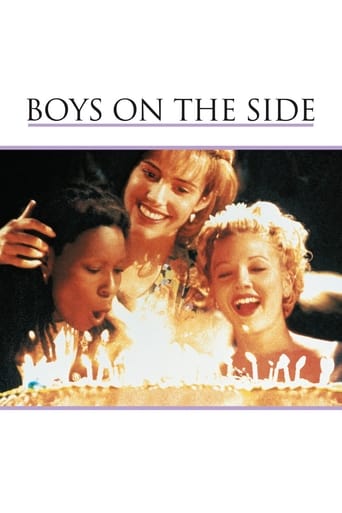
Boys on the Side
Cross-country road trip forging unlikely friendship across difference (race, sexuality, illness)
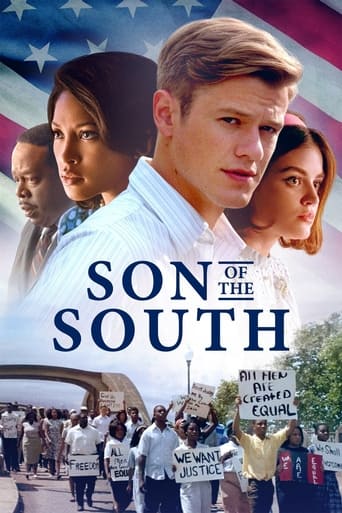
Son of the South
1960s Deep South civil rights drama based on a true story about crossing the racial divide
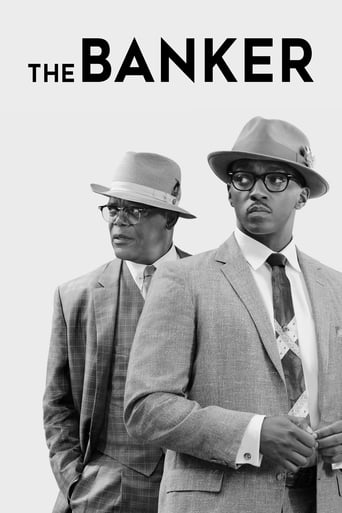
The Banker
True-story 1960s drama about Black/white partnership taking on systemic racism
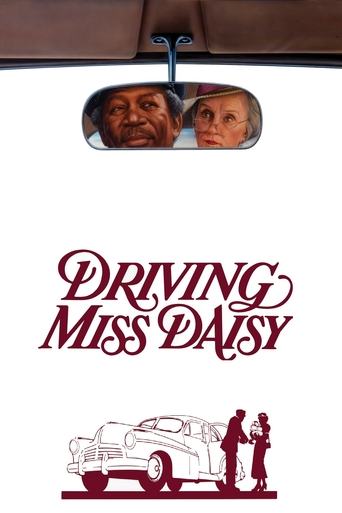
Driving Miss Daisy
The canonical chauffeur/passenger interracial friendship over years in the segregated South — closest analog
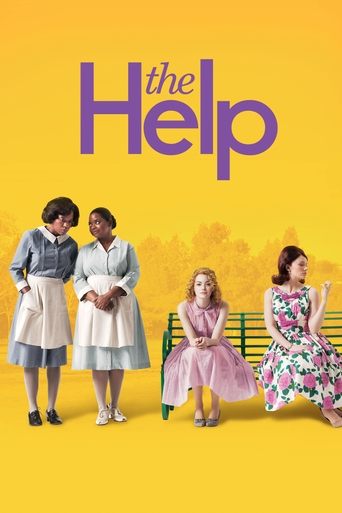
The Help
1960s Deep South race-relations drama with warm, crowd-pleasing tone
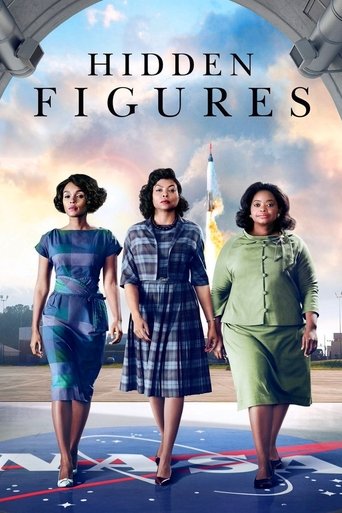
Hidden Figures
True-story 1960s segregation-era drama, hopeful and feel-good in the same key as Green Book
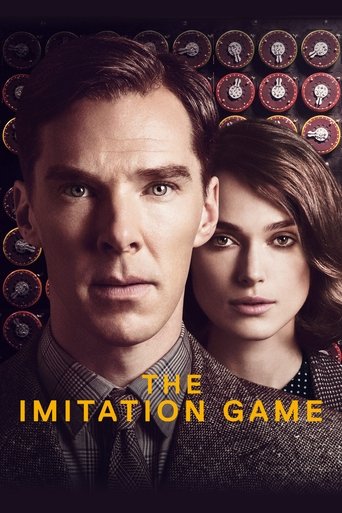
The Imitation Game
True-story biographical drama about a closeted gay genius confronting prejudice — overlaps the Don Shirley arc
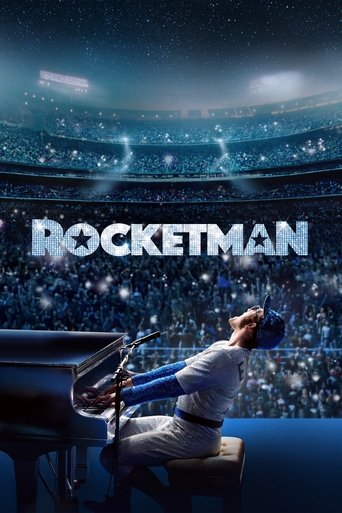
Rocketman
Biopic of a celebrated pianist navigating fame, race-of-music industry, and being closeted

Hairspray Live!
Early-1960s setting tackling racial segregation with an upbeat, feel-good tone

Will & Harper
Cross-country road trip about a long friendship traveling through prejudiced parts of America
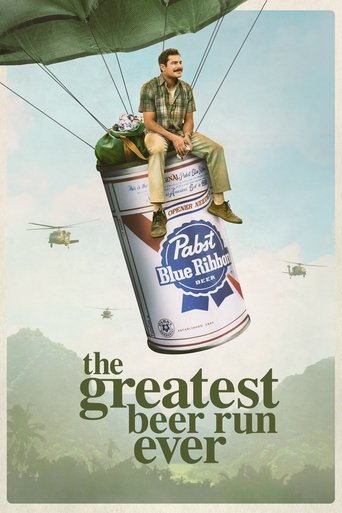
The Greatest Beer Run Ever
Same director, 1960s true-story journey-drama with a regular-guy protagonist confronting hard realities
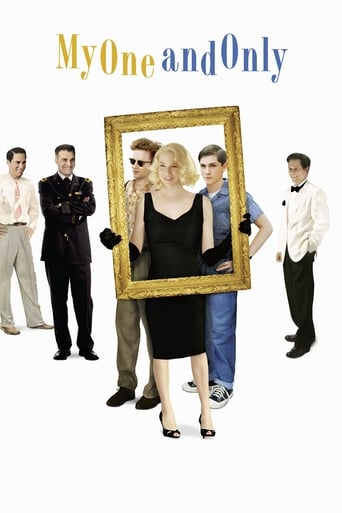
My One and Only
Period (1950s) cross-country road trip dramedy based on a true story
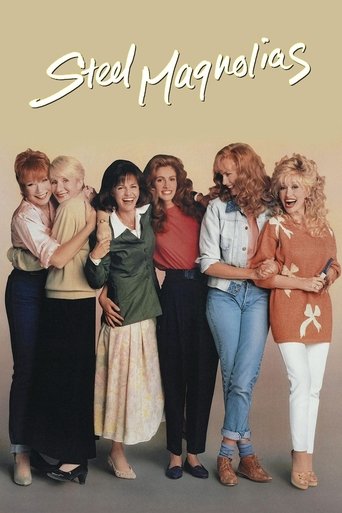
Steel Magnolias
Warm Southern-set ensemble dramedy about friendship across difference
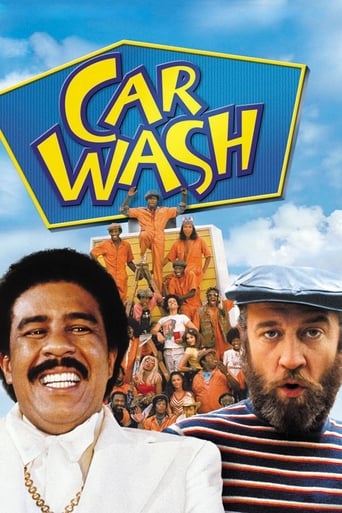
Car Wash
Working-class ensemble dramedy steeped in race and 1970s American street life
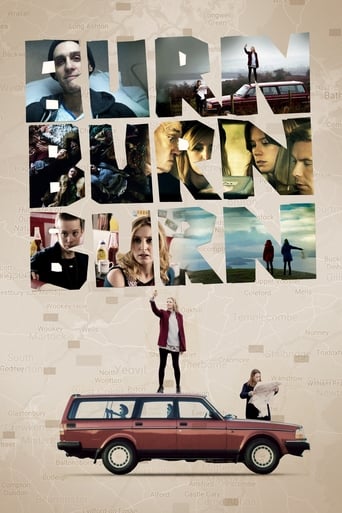
Burn Burn Burn
Friendship road-trip dramedy with emotional growth on the road
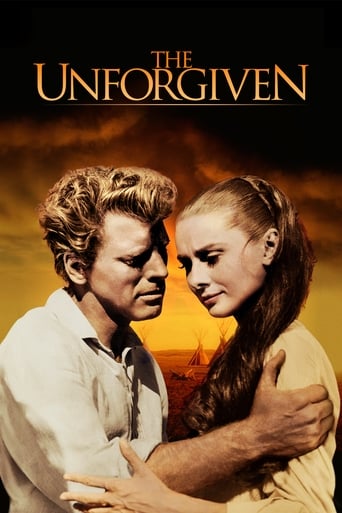
The Unforgiven
Classic-era American drama directly engaging racial prejudice

The Basketball Diaries
True-story character drama exploring identity and hardship; tonal cousin via 1960s/biographical tags
How Good Is Green Book?
Ratings across IMDb, Rotten Tomatoes, Metacritic, and TMDB, plus our verdict.
Where to Watch Green Book
Streaming, rental, and purchase options across 40+ countries.
United States
USStream
2 Netflix
 Netflix Standard with Ads
Rent
4 Amazon Video
 Apple TV Store
 Fandango At Home
 FlixFling
Buy
6 Amazon DVD / Blu-ray
 GRUV
GRUV Barnes & NobleAmazon VideoApple TV StoreFandango At Home
Available in 89 countries
Frequently asked about Green Book
Common questions people search for, with answers written by us at MoviesPack.
What is the Green Book that the title refers to?
The Green Book was a real annual travel guide formally titled 'The Negro Motorist Green Book,' published by Victor Hugo Green from 1936 to 1966. It listed hotels, restaurants, barbershops, and other businesses across the United States that would serve Black travelers safely during the Jim Crow era. In the film, Tony uses it to plan overnight stops on Dr. Shirley's Southern tour, though the guide's limitations become apparent when many listed establishments are run-down or unwelcoming in practice.
Why does Dr. Shirley agree to tour the Deep South despite knowing he will face humiliation and discrimination there?
Dr. Shirley explains late in the film that he performs in the South precisely because he believes his presence and excellence can change minds — that a Black concert pianist of undeniable brilliance performing for white Southern audiences plants a seed of doubt in their prejudice. His manager and record label also have a financial stake in the tour. However, the film also hints at a personal need for validation: Shirley occupies a lonely middle ground, too refined for the Black community he came from and never fully accepted by white society, and the tour is partly a way of asserting his identity and worth on his own terms.
What happens at the roadside police stop in Mississippi, and why does Tony's phone call resolve it?
A Mississippi sheriff detains both Tony and Dr. Shirley overnight on flimsy pretexts — a clear act of racial harassment — and refuses to release them. Tony manages to make a phone call to his contact Robert F. Kennedy (then U.S. Attorney General), whose office intervenes directly and orders the sheriff to release them by morning. The scene illustrates both the arbitrary power wielded against Black citizens in the South and the stark contrast of Shirley's elite connections, which most Black Americans in 1962 could never have called upon.
Why does the ending show Tony inviting Dr. Shirley into his home for Christmas dinner?
Throughout the trip Tony's family had been skeptical or indifferent toward Shirley, and Tony himself began the journey with casual racial prejudices. By the end of the tour the two men have formed a genuine friendship built on mutual respect. When Shirley shows up at Tony's door on Christmas Eve — having driven alone through the night rather than spend the holiday in his empty Carnegie Hall apartment — Tony immediately welcomes him in, and the whole Vallelonga family embraces him. The moment is the film's emotional payoff: Shirley, who felt he belonged nowhere, is given a place at the table.
Recent Updates
New Trailer: Green Book
New Teaser: Green Book
Green Book now streaming on YouTube (FR)
Green Book now streaming on Google Play Movies (FR)
Green Book now streaming on Sooner (FR)