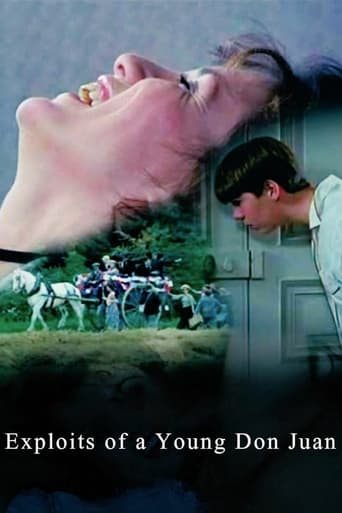
Movies Like Exploits of a Young Don Juan
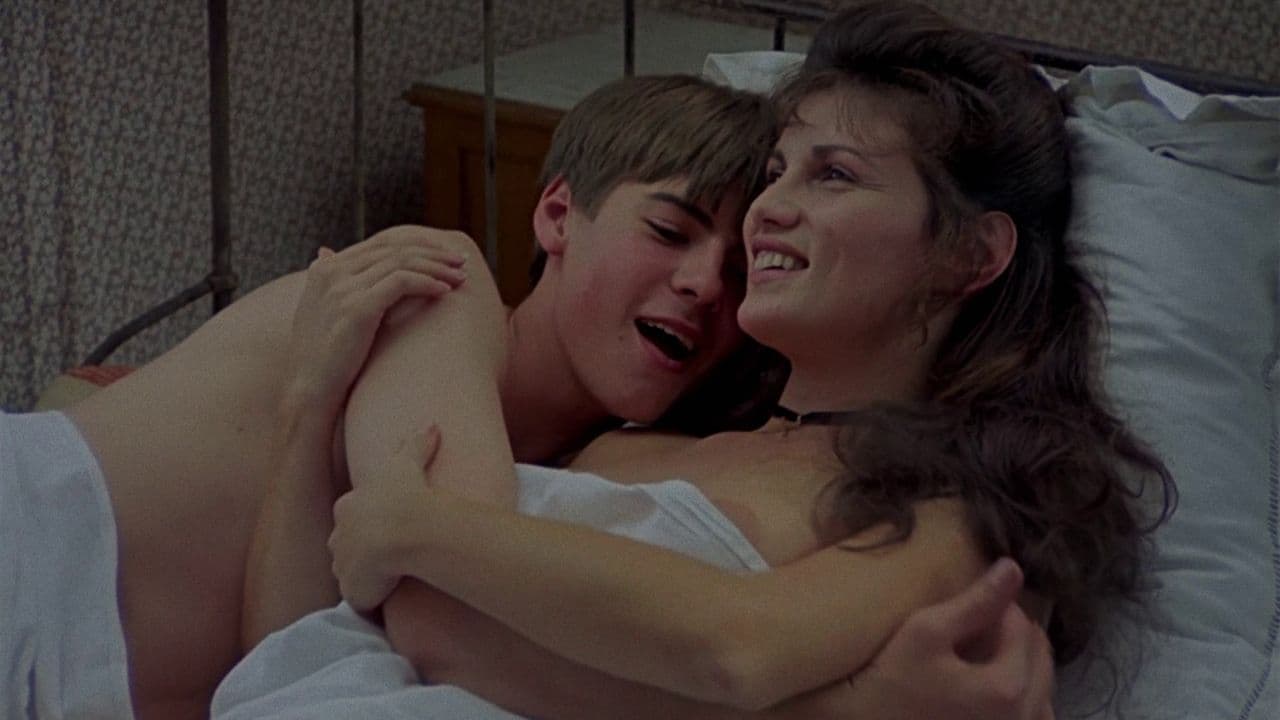
In 1914, sixteen year old Roger returned home from boarding school during vacation to find his puberty hit hard in a house filled with beautiful women. These women have previous engagements with other men who are away, and during this time, Roger impregnates them all, including his aunt and sister, then devises plans to cuckold the men.
Ranked by shared directors, cast, themes, genre, and era — not just generic recommendations.
The Sparrow's Fluttering
The Vicious Kind
The Power of the Dog
Cruel Intentions

Yes, God, Yes
Sister My Sister
Oldboy

Vixen!
Fortune Favors Lady Nikuko

Hotel Desire
The Boy and the Heron

Nymphomaniac: Vol. II
You Upset Me

The Pleasure

Lolita
Homeward Bound: The Incredible Journey
The Wedding Date

Going Places
The Little Death

Love in the Time of Cholera
How Good Is Exploits of a Young Don Juan?
Ratings across IMDb, Rotten Tomatoes, Metacritic, and TMDB, plus our verdict.
Where to Watch Exploits of a Young Don Juan
Streaming, rental, and purchase options across 40+ countries.
United States
USStream
3 FlixFling
 Film Movement Plus
 Troma NOW
Rent
1FlixFlingBuy
1FlixFlingAvailable in 2 countries
Frequently asked about Exploits of a Young Don Juan
Common questions people search for, with answers written by us at MoviesPack.
What is the movie about the young Don Juan?
Exploits of a Young Don Juan is a 1986 Italian-French comedy-drama directed by Gianfranco Mingozzi, based on Guillaume Apollinaire's novel. Set in 1914, it follows sixteen-year-old Roger, who returns home from boarding school for the summer and embarks on a string of sexual escapades with the women of the household while their men are away. The film stars Fabrice Josso as Roger, alongside Serena Grandi, Claudine Auger, and Marina Vlady.
What is the central premise of the story?
The film follows Roger, a teenage aristocrat spending the summer at his family's country estate who embarks on a series of sexual initiations with the women around him, including housemaids and female relatives. The narrative is framed as a coming-of-age awakening rooted in the libertine literary tradition of Apollinaire's 1907 source novel. Roger moves from one encounter to the next with an almost innocent curiosity, treating seduction as a form of self-discovery rather than conquest.
What motivates the women in the household to pursue or accept Roger's advances?
Each woman is driven by her own distinct circumstances: the servants are isolated by class and confined to the estate, while the bourgeois women around Roger are trapped in loveless or passionless marriages. Roger represents youthful vitality and novelty in an otherwise stagnant social world. The film presents their willingness less as moral failing and more as a response to the suppressed desires that the rigid class structure of pre-World War I France enforced on women of every station.
How does the outbreak of World War I function at the end of the film?
The arrival of war in the final act abruptly closes the idyllic, consequence-free summer and disperses the characters, with Roger and other young men being called up to fight. The war serves as a symbolic end of innocence, cutting short an era of aristocratic leisure and sexual freedom that the story romanticizes. It frames the entire summer retrospectively as a last gasp of a pre-modern world about to be destroyed, lending the episodic erotic adventures a melancholic undertone they otherwise lack.
Is there a deeper thematic connection between Roger's conquests and the Apollinaire source material?
Apollinaire's novel was partly autobiographical and written as a celebration of erotic vitality against bourgeois repression, and Mingozzi's adaptation preserves that subversive undercurrent. Roger's ease in crossing social and familial boundaries — including with older women and relatives — mirrors the novel's deliberate transgression of taboo as a form of liberation rather than depravity. The title's invocation of Don Juan is ironic: unlike the cold seducer of legend, Roger is guileless and genuinely affectionate, reframing the archetype as innocent appetite rather than predatory manipulation.
Does Roger face any consequences for his behavior over the summer?
Within the story's internal logic, Roger faces virtually no social or emotional consequences — the film deliberately withholds punishment or judgment, consistent with the libertine tone of Apollinaire's original text. The only consequence is external and collective: the coming of war removes him from the protected bubble of the estate entirely. This absence of personal reckoning is itself a thematic choice, positioning the summer as a charmed, unrepeatable episode sealed off from ordinary moral accountability.