
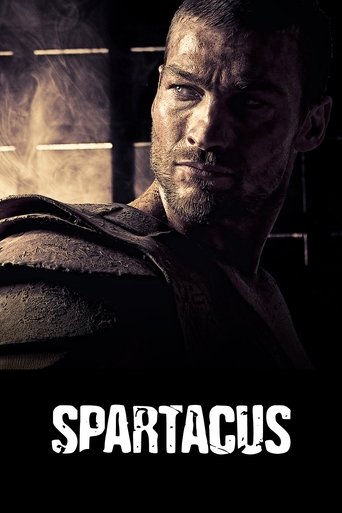
Shows Like Spartacus
Torn from his homeland and the woman he loves, Spartacus is condemned to the brutal world of the arena where blood and death are primetime entertainment.
Ranked by shared creators, cast, themes, genre, and network — not just generic recommendations.
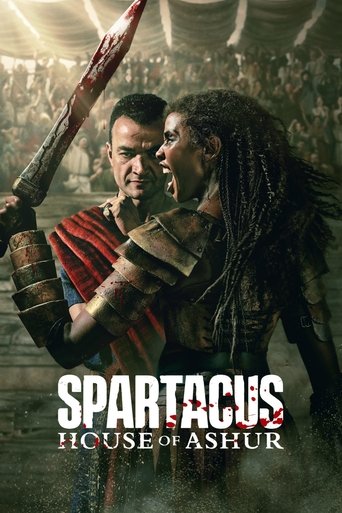
Spartacus: House of Ashur
Direct franchise sequel, same ludus world, same creator Steven S. DeKnight, same gladiatorial arena tone.
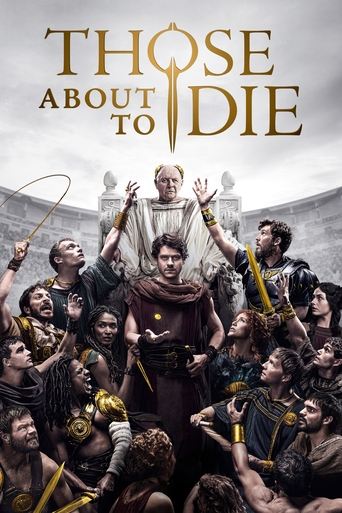
Those About to Die
Ancient Rome gladiatorial sports epic; keywords literally cite Spartacus; same peplum/arena spectacle formula.
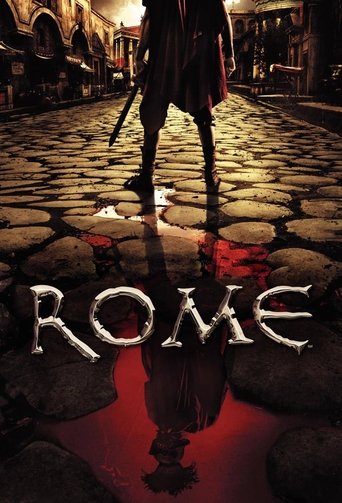
Rome
HBO prestige ancient-Rome epic; brutal violence, political betrayal, same adult male audience and serialized structure.

Vikings
Brutal serialized warrior epic on History Channel; raiding, conquest, same testosterone-driven prestige-action audience.

Black Sails
STARZ (same network), hyper-stylized violent prestige drama; themes of slavery, freedom, and brutal power struggle.
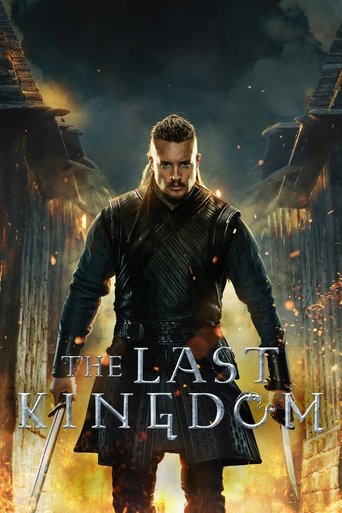
The Last Kingdom
Serialized warrior epic; captive soldier fighting for freedom, brutal combat, same historical-action audience crossover.
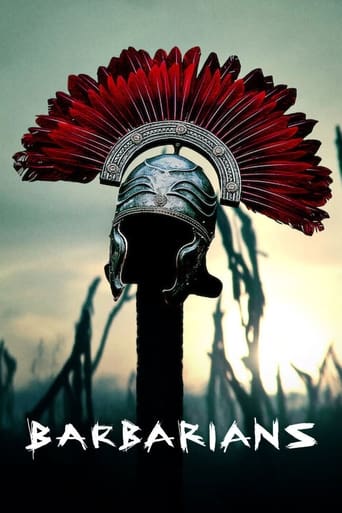
Barbarians
Germanic tribes vs Roman legions; direct ancient-Rome combat setting, same gritty serialized tone as Spartacus.
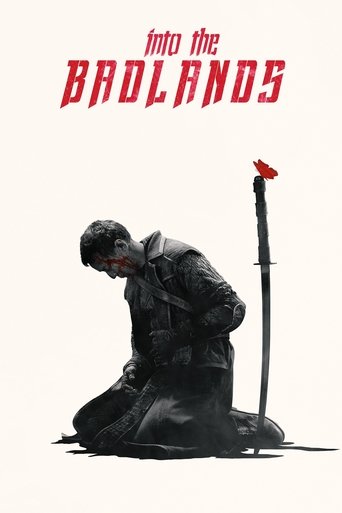
Into the Badlands
Hyper-stylized martial arts combat, slave/warrior caste feudalism, serialized premium — same kinetic fight-choreography appeal.
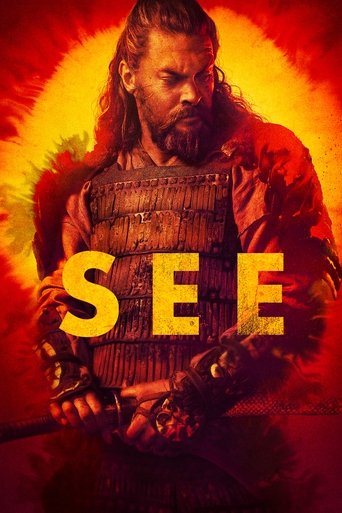
See
Premium brutal sword-combat epic; tribal power struggle, serialized, same action-violence spectacle and male fanbase.
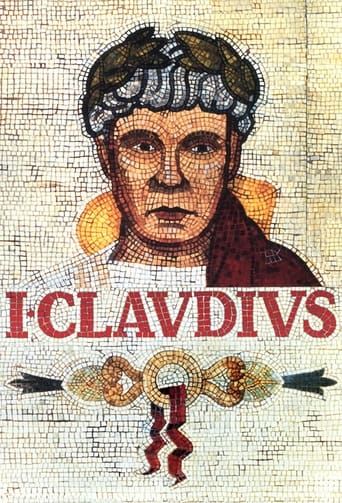
I, Claudius
Ancient Rome political drama masterpiece; shared setting and imperial corruption themes but cerebral/theatrical, not action-first.

Domina
Roman Empire setting, political ambition and betrayal; overlapping world but female-led court drama, minimal arena action.
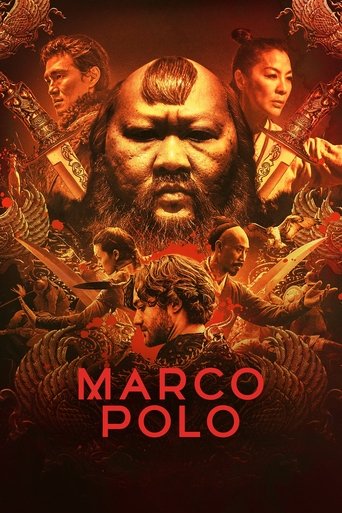
Marco Polo
Netflix lavish historical epic; combat, political intrigue, explicit content — same production ambition, different era/region.

SAS Rogue Heroes
Gritty male ensemble war-action, roguish warriors defying authority — same rebellious-fighter spirit, WWII setting only link.

Wentworth
Brutal serialized prison power struggle; captivity, dominance hierarchies and violence mirror the ludus dynamic, different audience.

The Handmaid's Tale
Slavery, oppression, and violent resistance as central themes; tonal cousin in brutality and defiance but dystopian sci-fi, female-led.
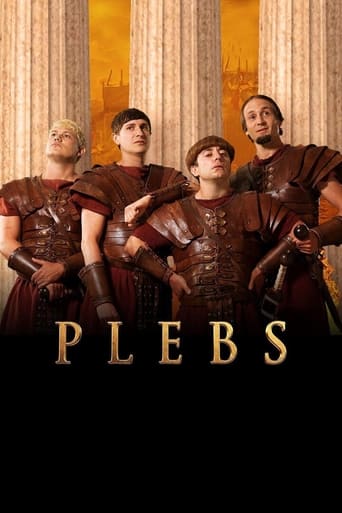
Plebs
Shares ancient Rome setting and slave characters but is an anachronistic sitcom — tonal opposite, comedy only, not action drama.

All Elite Wrestling: Rampage
Gladiatorial combat spectacle surface parallel only; real-world pro wrestling reality/sports show vs scripted historical epic.

WWE ECW
Wrestling combat spectacle only superficial link; unscripted sports entertainment, completely different genre and audience context.

Submission
Shares BDSM/dominance/submission themes very loosely; erotic drama with no historical/action connection — weak tonal cousin at best.

The Newsreader
Serialized prestige drama is the only thread; 1980s newsroom period piece shares nothing with gladiatorial Rome in tone or genre.
How Good Is Spartacus?
Ratings across IMDb and TMDB, plus our verdict.
Where to Watch Spartacus
Streaming, rental, and purchase options across 40+ countries.
United States
USStream
4 Philo
Philo Spectrum On Demand
 Starz
Starz Starz Apple TV channel
Buy
3 Apple TV Store
 Fandango At Home
 Amazon DVD / Blu-ray
Available in 129 countries
Frequently asked about Spartacus
Common questions people search for, with answers written by us at MoviesPack.
Why does Spartacus join the gladiatorial arena rather than escaping immediately?
After being condemned to death for desertion, Spartacus is given one last chance to survive by fighting four champion gladiators in the arena. His unexpected victory convinces Batiatus to buy him as a slave and train him as a gladiator instead of executing him. Spartacus endures the brutal life of the ludus primarily because he is promised he will see his wife Sura again — a promise Batiatus uses to manipulate his loyalty.
What is the significance of Sura's death and how does it shape Spartacus's rebellion?
Batiatus secretly orders Sura to be killed during her transport to Capua because he fears her presence will distract Spartacus from his value as a gladiator. He stages her arrival so she dies in Spartacus's arms, engineering grief rather than reunion. When Spartacus eventually learns the truth — that Batiatus murdered Sura — it transforms his personal suffering into revolutionary rage, making the massacre of the House of Batiatus the true birth of the slave rebellion.
Why does Crixus initially oppose Spartacus and side with the Romans?
Crixus is the undefeated Champion of Capua and has a privileged position within the ludus, including a secret relationship with Lucretia, Batiatus's wife. He sees Spartacus as a threat to his status and resents the Thracian's rapid rise. His loyalty is not to Rome ideologically but to his own standing and to Naevia, the slave woman he loves — once those are threatened by the Romans, he becomes one of the rebellion's fiercest leaders.
What happens to Spartacus at the end of the final season, and does the rebellion succeed?
In the finale of War of the Damned, Spartacus is mortally wounded by multiple Roman spears during the final battle against Crassus's forces in the mountains. He does not die in the arena or by crucifixion — he dies in the arms of his surviving comrades, his body never found by the Romans, denying them a trophy. While the rebellion is ultimately crushed militarily and 6,000 survivors are crucified along the Appian Way, Spartacus's legacy endures as a symbol of resistance, and a small number of rebels including Nasir and Agron escape to live free.
What is the meaning behind the recurring motif of Spartacus's visions of Sura throughout the series?
Throughout the series Spartacus experiences visions of Sura that function both as emotional anchors and as omens foreshadowing events. These hallucinations reflect his unresolved grief and the guilt he carries for abandoning her when he deserted the Roman army to save her people. They also serve a narrative purpose — Sura's spirit appears to guide or warn him at critical turning points, symbolizing that his fight is never purely political but always a personal quest for the love and justice he was denied.
Recent Updates
New Trailer: Spartacus