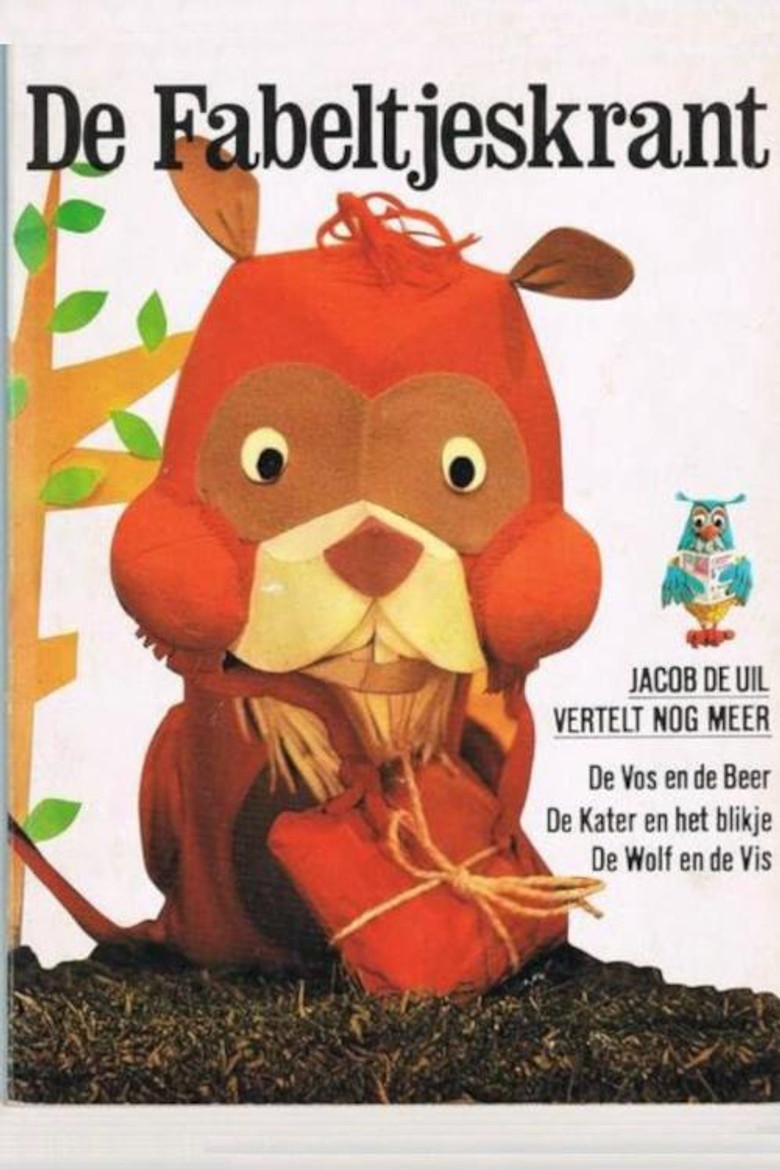
Shows Like De Fabeltjeskrant
Fabeltjeskrant [ 'faːbəɫcəskrɑnt] is a Dutch children's television series featuring puppetry and stop motion. Created in 1968 by Leen Valkenier and produced by Thijs Chanowski and Loek de Levita, it ended in 1989 and was broadcast on the Dutch channels NOS, RTL 4 and RTL 8 and on Belgian channel VRT. From 1973 to 1975 it was broadcast also in the United Kingdom, on ITV, with the title The Daily Fable.
Ranked by shared creators, cast, themes, genre, and network — not just generic recommendations.
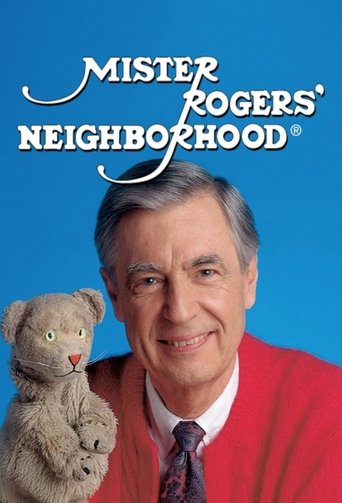
Mister Rogers' Neighborhood
Same era, uses puppetry, gentle tone, preschool/young-child audience, slow-paced educational storytelling
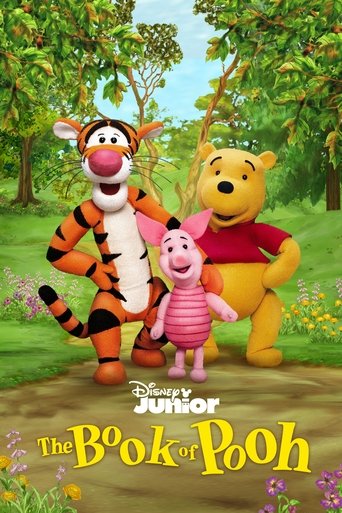
The Book of Pooh
Puppet-based animal characters in a gentle fable format aimed at very young children
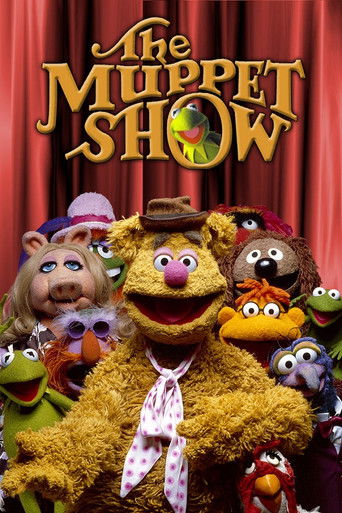
The Muppet Show
Iconic puppetry with animal characters; broader family/adult variety format differs but puppet craft is the same DNA
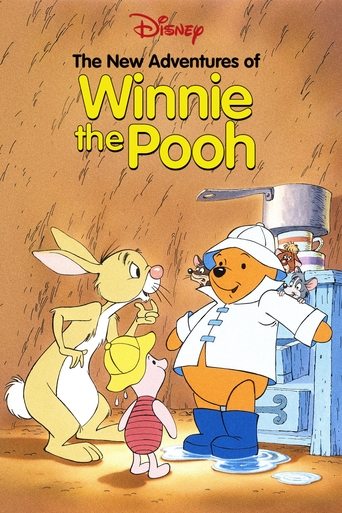
The New Adventures of Winnie the Pooh
Gentle animal characters in episodic fable-like stories for young children; animated rather than puppet
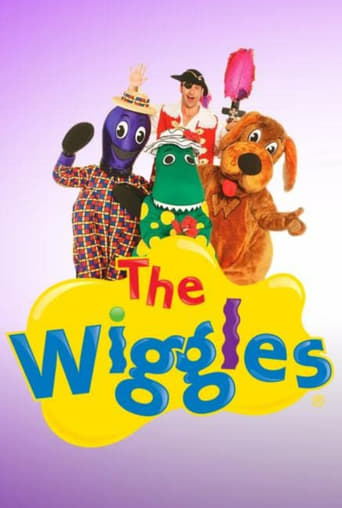
The Wiggles
Gentle performance-based show for toddlers/young children, same core audience, same slow safe tone
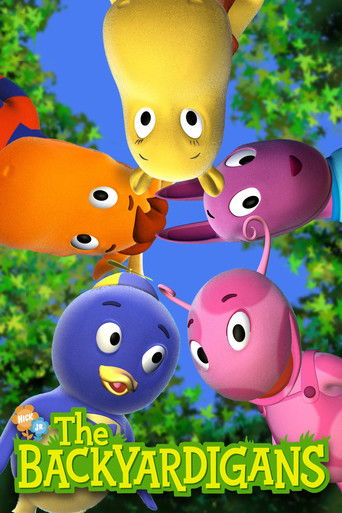
The Backyardigans
Imaginative animal characters on gentle adventures, same preschool audience and non-threatening tone
Clifford the Big Red Dog
Gentle animal-character series with simple moral lessons for young children, same warm episodic format
Super Monsters
Preschool-aimed animated series with fantastical characters learning life lessons; same young audience
The Magic School Bus
Educational children's TV with imaginative premise; older audience and science focus differs from fable tone
Snorks
Classic-era animated kids show with non-human characters in a gentle world; more adventure-driven than fable
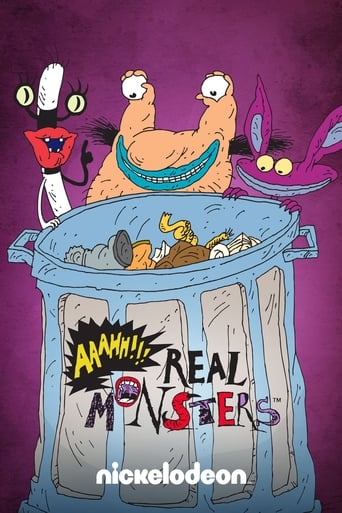
Aaahh!!! Real Monsters
Non-human characters in a children's animated world; tone is edgier and targets older kids than Fabeltjeskrant
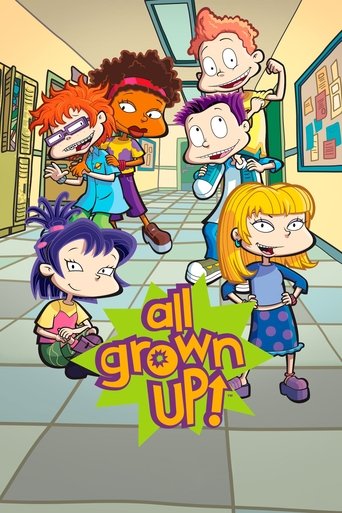
All Grown Up!
Children's animated series in the same broad kids space; preteen focus and dramatic tone are a stretch
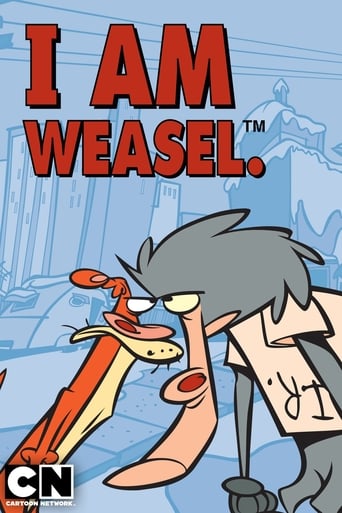
I Am Weasel
Animal-character animated comedy; absurdist and older-kids tone diverges from gentle preschool fable style
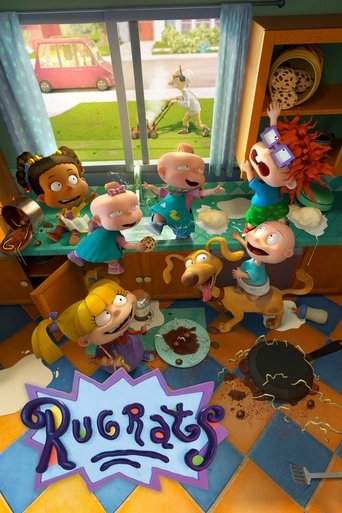
Rugrats
Toddler-perspective animated series; shares young child audience but urban family setting differs from animal fables
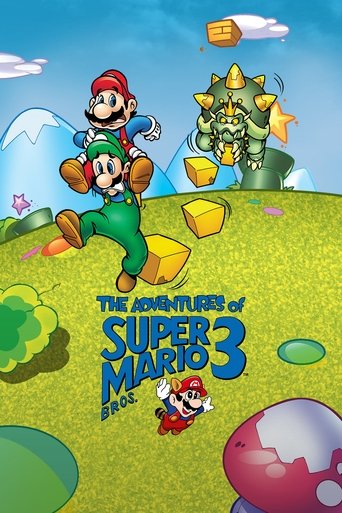
The Adventures of Super Mario Bros. 3
Classic Saturday-morning kids animation; action/video-game premise is far from gentle Dutch fable storytelling
How Good Is De Fabeltjeskrant?
Ratings across IMDb and TMDB, plus our verdict.
Where to Watch De Fabeltjeskrant
Streaming, rental, and purchase options across 40+ countries.
United States
USStream
3 HBO Max Amazon Channel
 HBO Max
 Hulu
HuluBuy
3 Amazon Video
 Apple TV Store
 Fandango At Home
Available in 117 countries
Frequently asked about De Fabeltjeskrant
Common questions people search for, with answers written by us at MoviesPack.
What is Fabeltjesland and how does the show's world work?
Fabeltjesland is a cosy, fictional village populated entirely by anthropomorphic animals who live, work, and socialise much like humans. Each episode is structured around the daily newspaper — De Fabeltjeskrant — which Mr. Owl (Meneer de Uil) reads aloud to kick off a self-contained story, giving the world a reassuringly routine, community-centred rhythm. The newspaper device means every tale is framed as local news, grounding even fantastical events in the familiar fabric of village life.
What role does Meneer de Uil (Mr. Owl) play in the storytelling?
Mr. Owl serves as the show's narrator and anchor: he reads the day's Fabeltjeskrant to the audience, introducing the central story or dilemma that the animal villagers must navigate. His calm, authoritative presence signals to young viewers what kind of episode to expect — moral lesson, mild adventure, or everyday slice-of-life. He rarely intervenes in the action himself, functioning more as a wise observer whose reading sets events in motion.
Do the animal characters have consistent personalities and recurring conflicts?
Yes — each puppet character has a fixed personality trait that drives recurring tension: Lowieke the Fox is sly and self-serving, Bromsnor the Badger is gruff but good-hearted, and smaller creatures like the mice tend toward timidity and neighbourly cooperation. Conflicts typically arise when a character's defining flaw (greed, stubbornness, laziness) causes a problem in the village, and resolution comes through community effort or the character recognising their own shortcoming. This formula made moral lessons legible to very young children without heavy-handed moralising.
Are the stories standalone or do they build on ongoing lore?
Each episode tells a standalone story, so there is no serialised plot arc or overarching mystery — the appeal lies in the reliability of the format and the familiar cast rather than narrative continuity. However, the consistent setting and character relationships create an implicit ongoing world: viewers understand backstory and personality from prior episodes, so later stories can rely on established dynamics (such as the Fox's reputation for trickery) without re-explaining them. The cumulative effect gives long-time viewers a sense of living history in Fabeltjesland even though each episode resets.
What kinds of moral ambiguities or darker undercurrents appear in the show?
While the tone is consistently gentle and child-friendly, the show does not shy away from depicting selfishness, exclusion, and the consequences of dishonesty in ways that feel emotionally real rather than sanitised. Lowieke the Fox in particular occupies a morally grey zone — his schemes sometimes succeed temporarily and he is never fully reformed, reflecting a realistic acknowledgement that not everyone learns their lesson immediately. This nuance, mild as it is, distinguishes the show from purely moralistic fables and explains part of its enduring affection among Dutch audiences who grew up with it.