Shows Like Beverly Hills, 90210
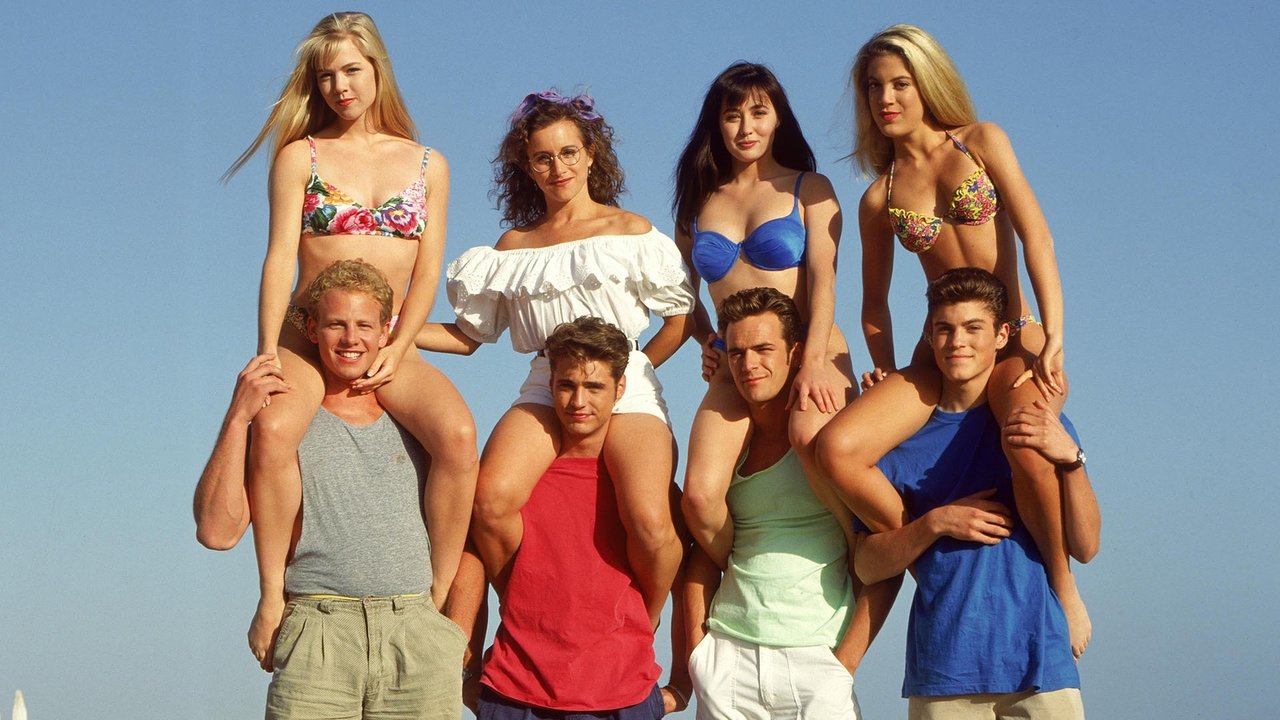
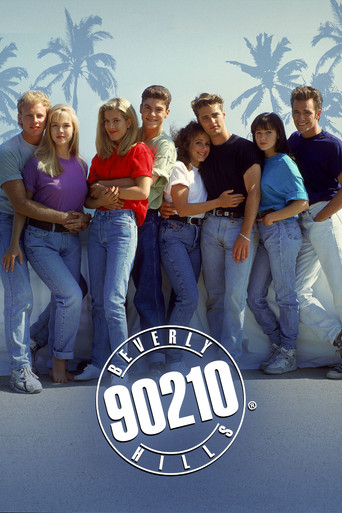
Follow the lives of a group of teenagers living in the upscale, star-studded community of Beverly Hills, California and attending the fictitious West Beverly Hills High School and, subsequently, the fictitious California University after graduation.
Ranked by shared creators, cast, themes, genre, and network — not just generic recommendations.
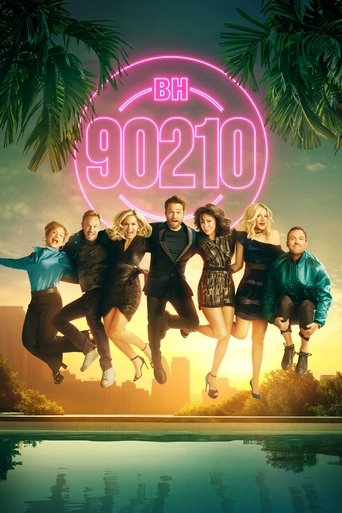
BH90210
Direct franchise revival — original cast returns playing meta versions of themselves rebooting 90210.
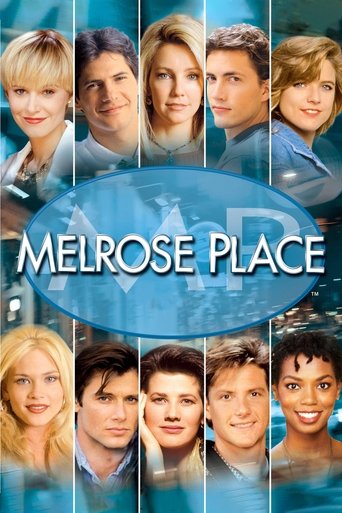
Melrose Place
Official spinoff created by Darren Star, set in the same LA universe with overlapping characters.
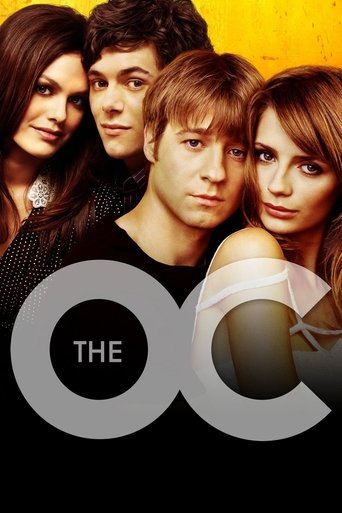
The O.C.
Wealthy California teen soap with romance, social issues, and the same primetime drama blueprint.
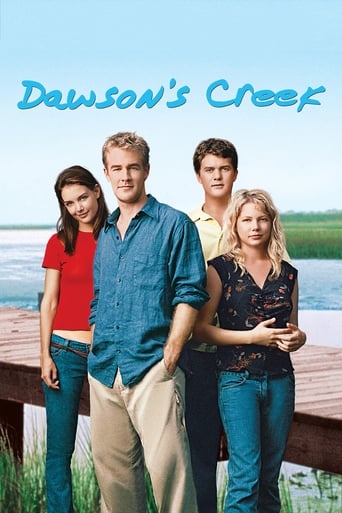
Dawson's Creek
Late-90s teen soap/drama with the same emotional coming-of-age arcs and serialised relationships.
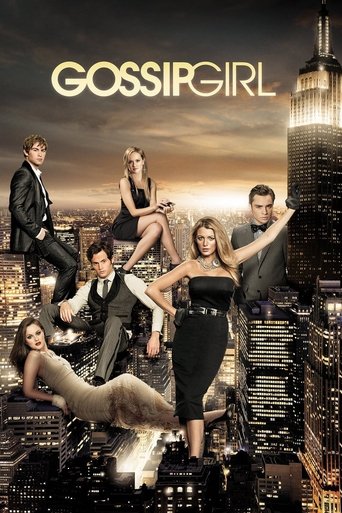
Gossip Girl
Privileged teens at an elite school navigating romance and scandal — direct spiritual successor formula.
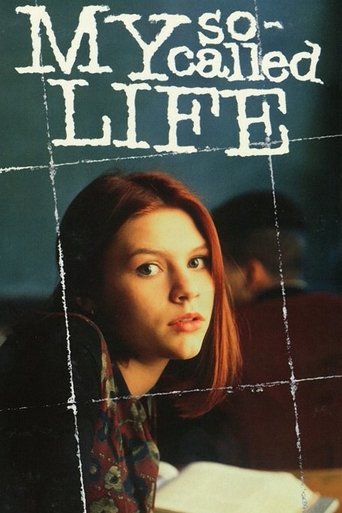
My So-Called Life
Mid-90s prestige teen drama tackling high-school social issues and family dynamics with equal seriousness.
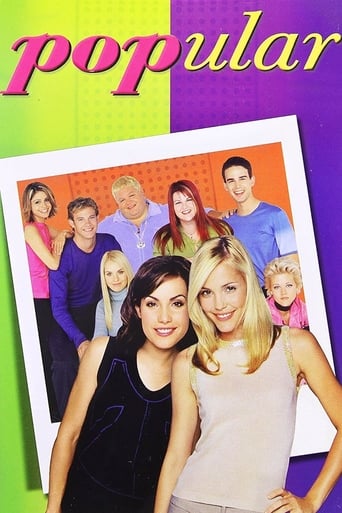
Popular
Ryan Murphy's late-90s high-school soap mirrors 90210's blend of cliques, romance, and social commentary.
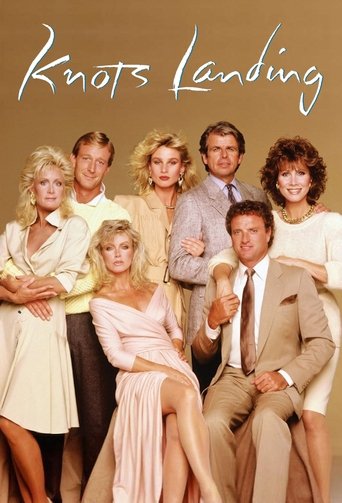
Knots Landing
Aaron Spelling-produced California primetime soap — same producer DNA, adult ensemble format.
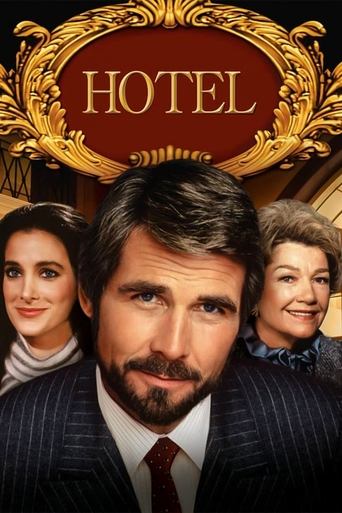
Hotel
Aaron Spelling primetime soap with glamorous LA setting and serialised drama, same production house.
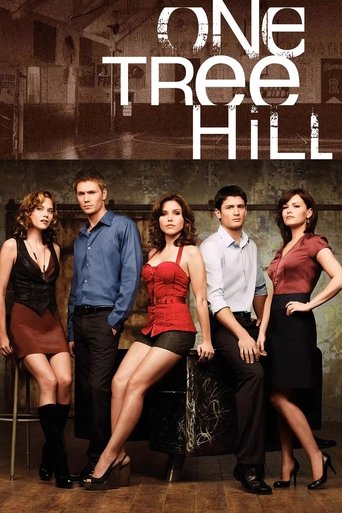
One Tree Hill
Long-running high-school-to-college teen drama with romantic triangles and community soap elements.
Degrassi
Long-form teen soap tackling social issues through high-school ensemble — different geography, same spirit.
All American
Set at Beverly Hills High School, contrasting worlds drama echoes 90210's class and identity themes.

Boy Meets World
90s coming-of-age staple following the same cohort from high school through college with earnest drama.

Skins
Ensemble teen drama exploring social issues and sexuality — UK counterpart to 90210's formula.

Dynasty
Aaron Spelling's flagship primetime soap — glamorous wealthy families, serialised scandal, same era DNA.
That '70s Show
Teen ensemble with romantic arcs but comedy-sitcom format dilutes the soap-drama overlap.
Riverdale
High-school teen soap with genre-horror twists — shares the serial drama structure but darker and weirder.

Bel-Air
LA wealthy-suburb teen drama, but darker prestige-reboot tone distances it from classic 90210 warmth.
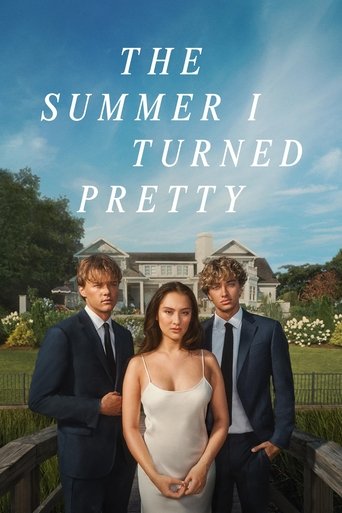
The Summer I Turned Pretty
Teen romance drama with love triangles and coming-of-age arcs — modern YA tone, no soap continuity.
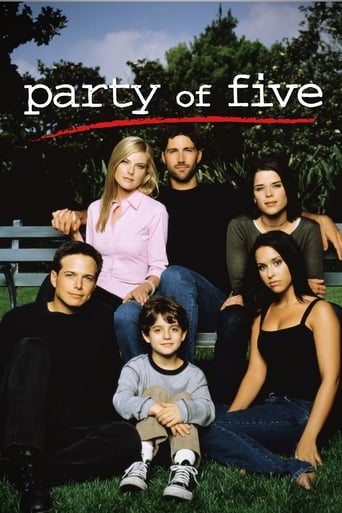
Party of Five
90s family-teen drama airing alongside 90210, shares the emotional serialised format but family-grief focus.
How Good Is Beverly Hills, 90210?
Ratings across IMDb and TMDB, plus our verdict.
Where to Watch Beverly Hills, 90210
Streaming, rental, and purchase options across 40+ countries.
United States
USStream
6 Paramount Plus Premium
 Paramount Plus Essential
 Paramount Plus Apple TV channel
 Paramount+ Amazon Channel
 Paramount+ Roku Premium Channel
 YouTube TV
Free with Ads
3Paramount Plus PremiumParamount Plus EssentialParamount Plus Apple TV channelBuy
3 Amazon Video
 Fandango At Home
 Apple TV Store
Available in 54 countries
Frequently asked about Beverly Hills, 90210
Common questions people search for, with answers written by us at MoviesPack.
Why do Brandon and Brenda Walsh struggle so much adjusting to Beverly Hills?
Brandon and Brenda move from Minneapolis to Beverly Hills as outsiders, and the show uses their fish-out-of-water perspective to expose the shallow materialism and social hierarchies of their new wealthy environment. Their Midwestern values frequently clash with the entitlement and status-obsession of West Beverly High, forcing them to decide whether to assimilate or stay true to who they are. Much of the early series tension stems from this identity conflict — fitting in versus maintaining integrity.
What happened between Dylan McKay and his father Jack, and how does it shape Dylan's character?
Dylan's father Jack is a charming but criminally connected man whose absence and neglect left Dylan emotionally damaged, prone to self-destruction, and deeply distrustful of authority figures. When Jack eventually returns and is killed by a car bomb meant for his mob associates, it devastates Dylan and accelerates his spiral into addiction and recklessness. The unresolved grief over his father — a man he simultaneously idolized and resented — becomes the psychological wound that drives Dylan's most self-destructive choices throughout the series.
How does Kelly Taylor's character arc evolve from mean girl to survivor over the course of the series?
Kelly begins the series as a privileged, superficial queen bee defined by her looks and social status, but a series of traumatic events — a fire that disfigures her, a cult she nearly falls into, a rape, and a shooting — systematically strip away that identity and force her to rebuild herself from the ground up. Each crisis reveals a resilience and depth that her early persona concealed, and by the later seasons she has transformed into one of the show's moral anchors. Her journey is essentially about whether a person shaped by vanity and privilege can find something real to stand on when those things are taken away.
What is the significance of the ongoing Brandon-Kelly-Dylan love triangle, and is it ever truly resolved?
The triangle is the show's central romantic engine — Dylan and Kelly share a passionate but volatile connection defined by trauma and intensity, while Brandon and Kelly represent stability and mutual respect. The show never fully resolves it in a satisfying way; Kelly chooses Brandon late in the original run, but the series finale leaves her future ambiguous when she declines to marry him, and the 2008 revival implies she and Dylan eventually had a child together. The ambiguity is arguably intentional, suggesting that Kelly herself never fully chose between what she needed and what she was drawn to.
Why does Andrea Zuckerman lie about her address to attend West Beverly High, and what does this reveal about the show's themes?
Andrea, who lives outside the Beverly Hills school district, falsifies her address to attend West Beverly because it offers resources and opportunities unavailable in her actual neighborhood — she is ambitious and academically driven in a way that requires access her zip code does not provide. Her deception is treated sympathetically by the show, which uses it to examine how geography and socioeconomic status determine educational opportunity in America. The lie also makes Andrea a permanent outsider at the school she worked so hard to attend, caught between the world she came from and the one she is trying to enter.