Shows Like AIBOU: Tokyo Detective Duo
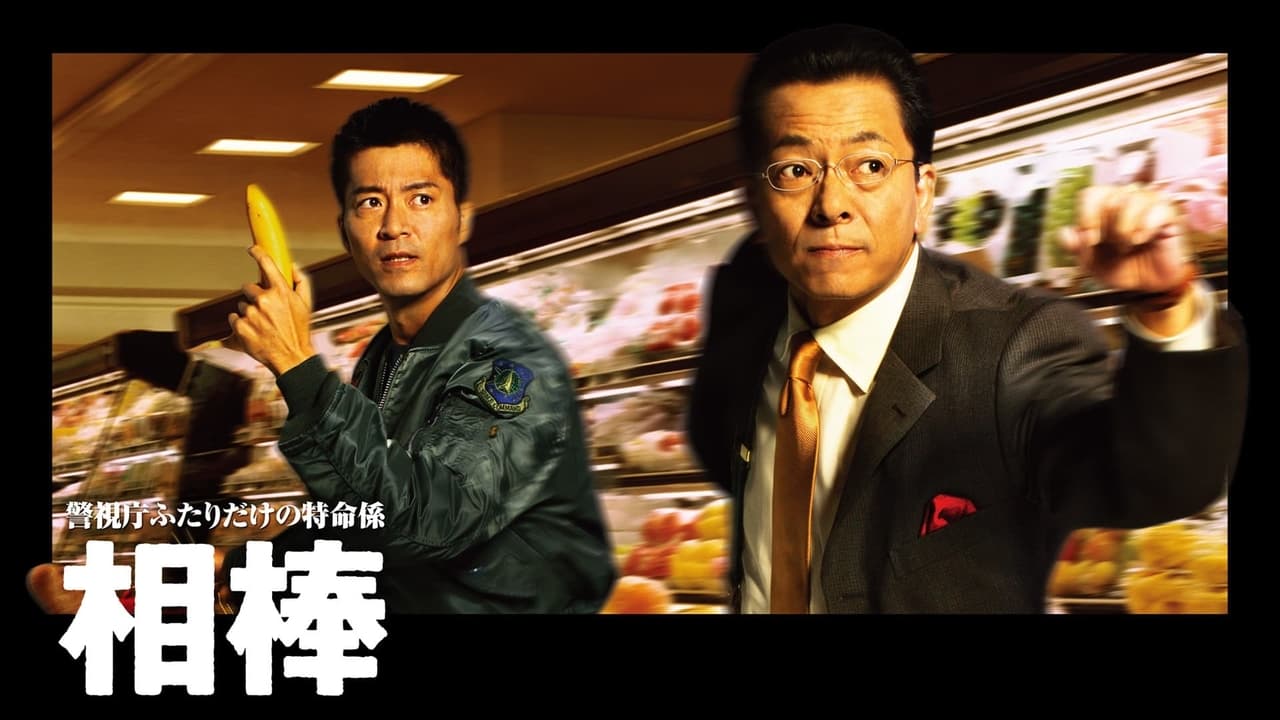
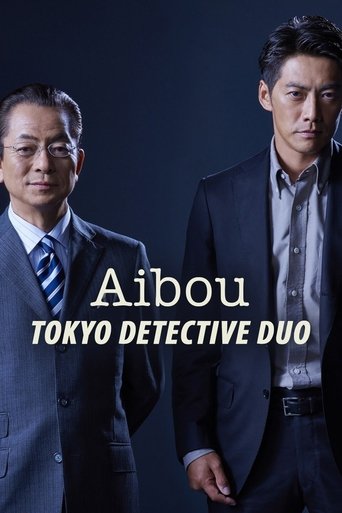
Detective Ukyo Sugishita confronts crime on the basis of his own convictions. He has a partner that works for him in the Special Task Unit. For the first 7 seasons, Ukyo’s first partner is Kaoru Kameyama. He is a good-natured, hot-tempered, straightforward and somewhat scattered detective. Beginning in Season 8, Takeru Kanbe replaces Kameyama. Contrary to his predecessor, Takeru is a lanky, cool, conceited and confident detective. From Season 11 to Season 13, Ukyo’s partner is a young detective Toru Kai. Toru is a son of Deputy Director-General of The National Police Agency. But he became a detective by his own effort. And starting with Season 14, Ukyo’s current partner is Wataru Kaburagi, an elite bureaucrat who came to the Metropolitan Police Department on temporary assignment. As the first partner without any career of a police officer, he will face challenging cases together with Ukyo.
Ranked by shared creators, cast, themes, genre, and network — not just generic recommendations.
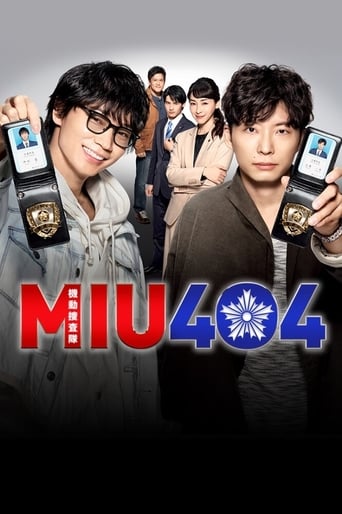
MIU404
Japanese live-action police detective duo, odd-couple partnership, Tokyo setting, episodic procedural with serialized arc
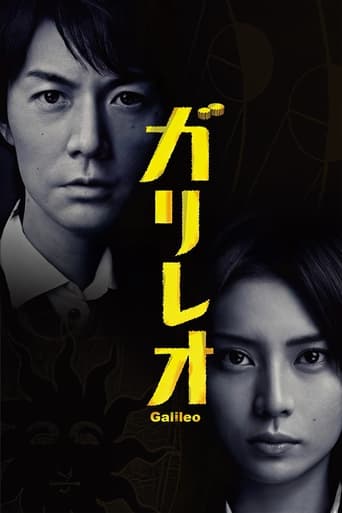
Galileo
Japanese live-action detective duo, police procedural mystery, same prime-time network tone, strong odd-couple dynamic

Unnatural
Japanese live-action crime mystery, investigative ensemble, same production culture and prime-time procedural tone
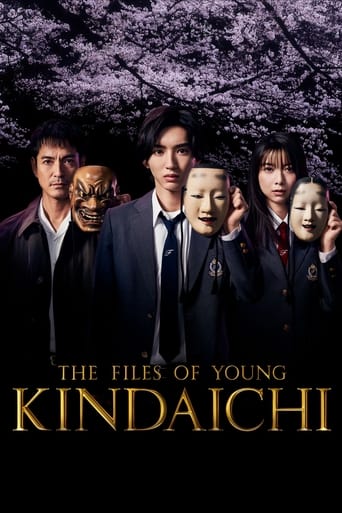
The Files of Young Kindaichi
Japanese live-action detective mystery, episodic case-of-week format, strong domestic audience overlap with AIBOU fans
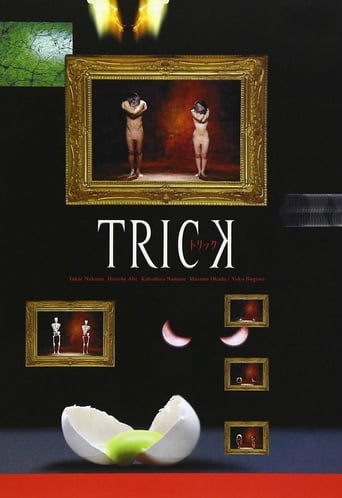
Trick
Japanese live-action comedy-mystery detective duo, odd-couple male/female partnership, same era and TBS prime-time tone as AIBOU

SPEC ~ First Blood
Japanese live-action detective duo (quirky odd couple), police investigation format, TBS network — direct AIBOU shelf companion

McDonald & Dodds
Odd-couple detective partnership procedural, episodic murder mystery, warm tone — structurally near-identical, British cultural context

Father Brown
Episodic whodunit procedural, principled detective figure, large episode count, cozy mystery tone — different culture but same shelf feel

Kindaichi Case Files
Japanese detective mystery, episodic case solving, same cultural fanbase as AIBOU — anime medium separates it from live-action audience

Detective Conan
Japanese detective mystery institution, episodic cases, overlapping fan community — anime format shifts core audience away from AIBOU viewers
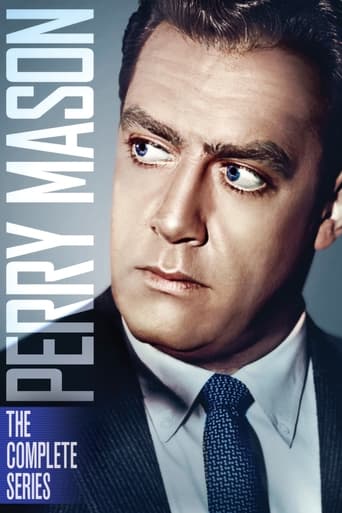
Perry Mason
Classic long-running episodic crime procedural, principled investigator driven by convictions — structural parallel across different culture and era
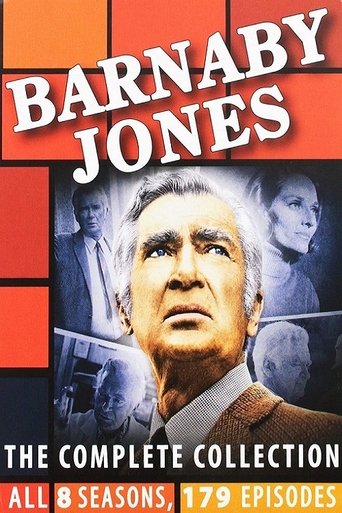
Barnaby Jones
Long-running American detective procedural, senior detective lead, episodic crimes — structural parallel, different cultural context
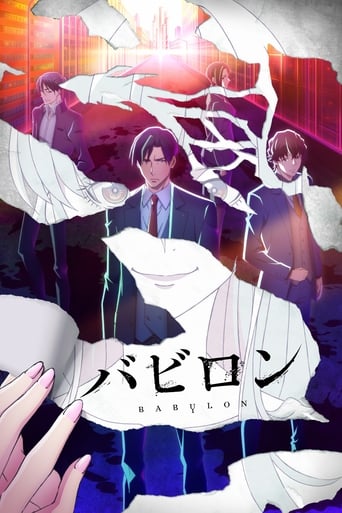
Babylon
Tokyo-set conspiracy crime thriller, prosecution/detective angle — anime format and darker tone, shares Japan + government conspiracy keywords
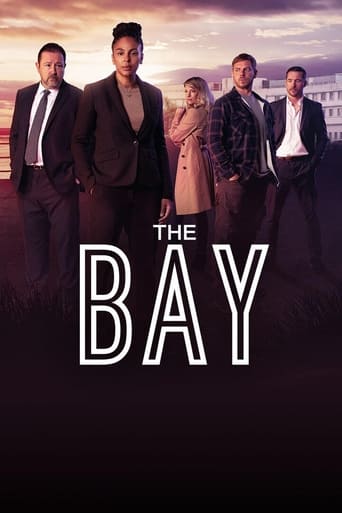
The Bay
Police detective drama, emotionally driven investigator, serialized case arc — British, darker tone, different from AIBOU's episodic warmth
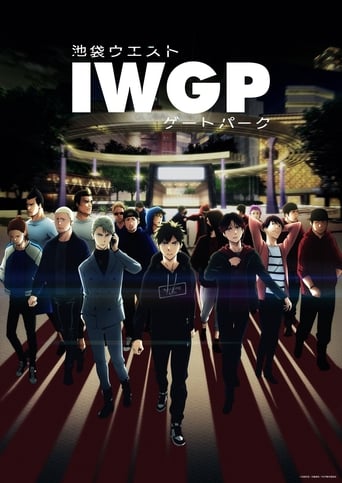
Ikebukuro West Gate Park
Tokyo urban crime drama, informal detective figure, same city milieu — anime format and youth gang focus differs from AIBOU's police procedural
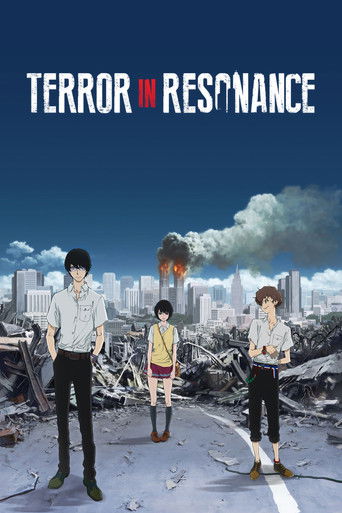
Terror in Resonance
Tokyo police investigation, conspiracy theme — anime format and bleak terrorist premise diverge sharply from AIBOU's warm procedural tone
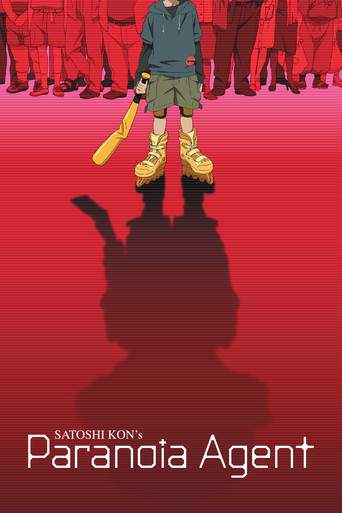
Paranoia Agent
Japanese mystery with police investigators pursuing Tokyo conspiracy — anime psychological horror tone is far removed from AIBOU's warmth

Mosaic
Crime mystery drama with investigative thread — American limited series, prestige-dark tone and one-off format distant from AIBOU's long-run episodic style
How Good Is AIBOU: Tokyo Detective Duo?
Ratings across IMDb and TMDB, plus our verdict.
Where to Watch AIBOU: Tokyo Detective Duo
Streaming, rental, and purchase options across 40+ countries.
Japan
JPStream
1 TELESA Amazon Channel
Rent
1 Amazon Video
Available in 1 country
Frequently asked about AIBOU: Tokyo Detective Duo
Common questions people search for, with answers written by us at MoviesPack.
What is the dynamic between the two lead detectives in AIBOU?
The show pairs veteran detective Ukyo Sugishita, a methodical and perceptive investigator nearing retirement, with a succession of younger, impulsive partners assigned to him — the word 'aibou' itself means 'partner' in Japanese. Sugishita's calm, indirect approach to questioning suspects often conceals the depth of what he has already deduced, while his younger partners provide more direct, action-oriented energy. The central tension of each episode frequently comes as much from the partners learning to trust each other's methods as from solving the case itself.
Why does Detective Sugishita keep getting new partners throughout the series?
Each new partner pairing reflects a narrative reset that allows the show to explore different personality clashes and generational contrasts alongside Sugishita's unchanging character. Partners have departed for reasons including promotions, transfers, personal circumstances, and the demands of their own story arcs. This revolving structure is a deliberate format choice that has allowed the long-running series to refresh itself across many seasons without replacing its central anchor character.
How does the show typically structure its mysteries, and does Sugishita reveal his reasoning process?
Cases generally follow an inverted or procedural format where the audience often sees the crime unfold before the detectives investigate, placing emphasis on how Sugishita pieces together motive and method rather than pure whodunit suspense. Sugishita is known for asking seemingly mundane or tangential questions that only later reveal themselves as precisely targeted at the killer's weak point. His full deductive chain is usually withheld until a climactic confrontation, where a single quiet observation unravels the suspect's carefully constructed alibi.
What motivates Sugishita to continue working despite his seniority and the friction his methods sometimes cause?
Sugishita is portrayed as someone who is deeply uncomfortable with retirement and finds genuine meaning in pursuing justice, even when institutional pressures or bureaucratic politics push back against his unconventional approach. His commitment is also shaped by a personal sense of responsibility toward victims and their families, which he rarely verbalises but consistently demonstrates through the thoroughness of his investigations. The tension between his desire to do the right thing and the constraints of the police hierarchy is a recurring undercurrent across the series.
Are the crimes in AIBOU rooted in social commentary, or are they purely procedural puzzles?
Many episodes use their central crime as a lens to examine contemporary Japanese social issues — including corporate corruption, family dysfunction, economic pressure, and generational conflict — giving the series a texture that goes beyond pure puzzle-solving. Perpetrators are often portrayed with some degree of sympathy, their crimes driven by desperation or circumstance rather than simple malice, which adds moral ambiguity to the resolution. This emphasis on human motivation over shock value is considered a defining tonal characteristic of the long-running series.