Now Showing — Films, Shows, and the Tools to Pick Them
MOVIESPACK.
Us
Movies Like

15 Movies Like Get Out — Smart Horror That's Actually About Something

If Get Out made you think as much as it scared you, these films deliver the same social commentary wrapped in genuine dread. Horror that uses fear to tell the truth.

15 FILMS·April 2026·By MoviesPack
Section 1

What Makes Get Out Special

Jordan Peele made a horror film so precise in its social observation that critics initially debated whether it was horror at all. It is. The Armitages' dinner party is terrifying precisely because it's so recognizable — the performative allyship, the microaggressions delivered as compliments, the unsettling sense that something is deeply wrong but you can't quite name it. Then Peele names it for you. The combination that defines it: **social satire operating at horror pitch**, **dread that comes from real-world dynamics**, and a **protagonist whose paranoia turns out to be completely justified**. [Use our tool to explore more: Movies Like Get Out](/similar/get-out)

Section 2

The Peele Universe First

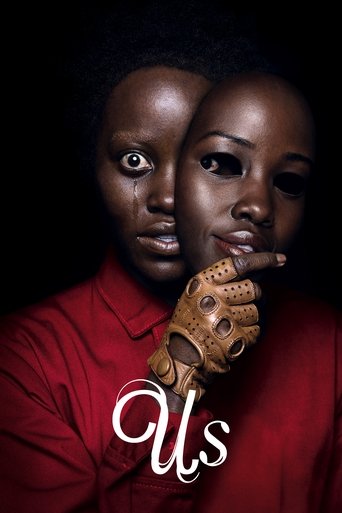
Us
01

Us

2019
6.8IMDb
A family arrives at their beach vacation home and finds four figures standing silently in the driveway. The figures are exact doubles of themselves — same faces, different eyes. The doubles get inside. Where Get Out targeted a specific social pathology, Us casts its net wider — American prosperity built on something buried and forgotten. Lupita Nyong'o gives a performance for the ages — technically two performances, one of which is the more terrifying.
Nope
02

Nope

2022
6.8IMDb
A brother and sister running their family's Hollywood horse ranch start noticing something in the sky above their property — something that eats whatever goes up into it. They decide to film it. Peele's third film is the most visually spectacular, and it earns its patience — the monster turns out to be a comment on spectacle, exploitation, and who gets to profit from their own trauma. Daniel Kaluuya again, and Keke Palmer stealing every scene she's in.
Section 3

Social Horror at Its Sharpest

Parasite
03

Parasite

2019
8.5IMDb
A poor family living in a semi-basement apartment one by one infiltrate a wealthy family's household, each engineering the circumstances to get the next one hired. It works — until they discover something the wealthy family doesn't know about their own basement. What begins as dark comedy pivots into something genuinely horrifying. Both films use horror mechanics to expose what lies beneath polite surfaces — the Kims in the basement mirror Chris in the sunken place. Both end without easy redemption.
The Stepford Wives
04

The Stepford Wives

1975
6.9IMDb
A journalist moves with her husband to the idyllic Connecticut suburb of Stepford. The wives there are beautiful, obedient, and cheerful — always cooking, always agreeable, never interested in anything outside the home. Something is very wrong with them. Get Out is precisely this template applied to race: the sunken place is the Stepford procedure, and the tea cup is the trigger. Both films are about the specific horror of a community that wants to possess you while erasing what makes you yourself. The 1975 original is bleaker and more effective than the remake.
Sorry to Bother You
05

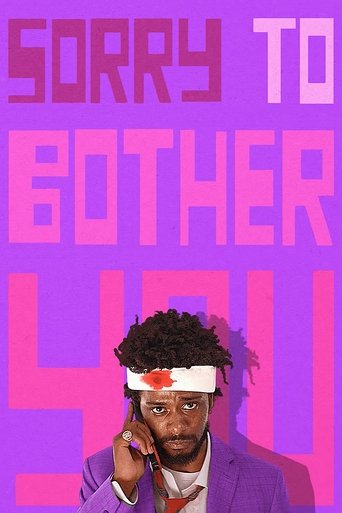
Sorry to Bother You

2018
6.9IMDb
A broke telemarketer discovers he can achieve extraordinary sales results by suppressing his natural voice and adopting what his colleague calls his "white voice." His career skyrockets. So does the price. Lakeith Stanfield (who appears in Get Out) plays a man discovering that success in this system requires him to become something he doesn't recognize. The social satire is sharper and more overtly political than Get Out, the surrealism more extreme, and the ending more nightmarish.
The People Under the Stairs
06

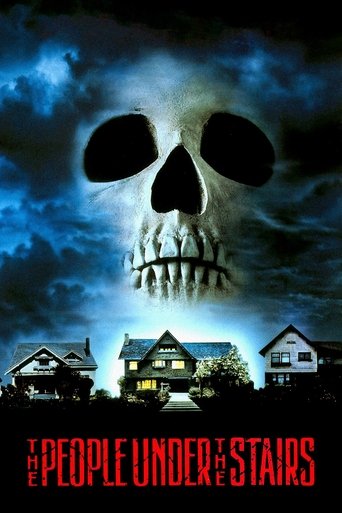
The People Under the Stairs

1991
6.6IMDb
A boy from a poor Black family breaks into the home of the white landlords who are evicting his family — and discovers the house is a trap from which people don't return. Made in 1991, it's a raw racial and class allegory in which the wealthy literally consume the people they exploit. Rawer and more exploitation-adjacent than Get Out, but the anger is the same. Wes Craven's most underrated film.
Section 4

Cult and Control Horror

Rosemary's Baby
07

Rosemary's Baby

1968
8.0IMDb
A young woman moves into a gothic New York apartment building with her husband and slowly becomes convinced their unusually helpful neighbors have a plan for her unborn child. Her husband tells her she's imagining things. Her doctor tells her the same. The mechanism is identical to Get Out's: the protagonist's discomfort is real, they are not imagining it, and the community around them coordinates to make them doubt themselves — toward a pre-determined end.
The Wicker Man
08

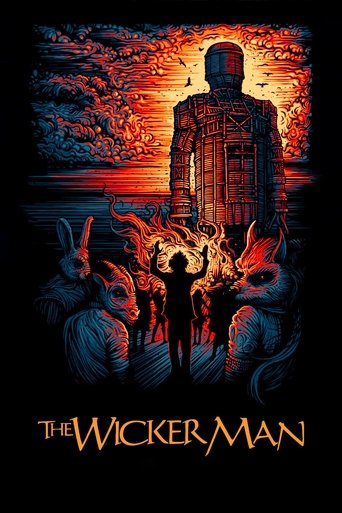
The Wicker Man

1973
7.5IMDb
A devout Christian police sergeant flies to a remote Scottish island to investigate a missing girl. The pagan community living there is helpful, cheerful, and knows exactly where the investigation is heading. Like Get Out, the horror comes from being the outsider in a closed community that has its own rules and no interest in your survival. The ending is one of cinema's most iconic and genuinely shocking. Avoid the Nicolas Cage remake.
Midsommar
09

Midsommar

2019
7.1IMDb
A grieving American woman travels to Sweden with her boyfriend and his friends for a summer festival that happens once every ninety years. The community is welcoming, beautiful, and completely transparent about what they're doing. The horror is that she can see it coming and still can't leave. Where Get Out's outsider horror is built on covert aggression — polite dinner parties concealing the sunken place — Midsommar inverts it: everything is visible in bright daylight. Same trap, different architecture.
Section 5

Sharp Thriller Mode

Hereditary
10

Hereditary

2018
7.3IMDb
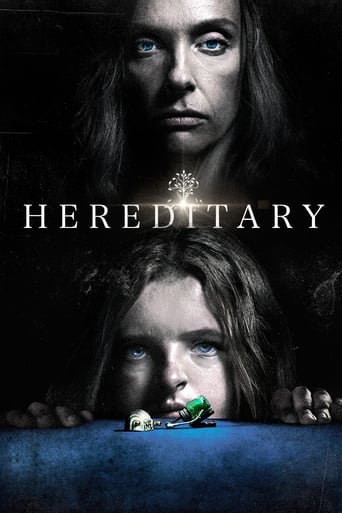
When a family's secretive grandmother dies, her daughter starts finding things — symbols in the house, evidence of rituals, proof of something planned across generations. She keeps being told she's grieving and imagining patterns. She is not imagining patterns. Ari Aster's debut shares Get Out's specific mechanism: a protagonist finding evidence of something deeply wrong and being gaslit about it. Annie Graham and Chris Washington are both in houses that have been prepared for them. The attic scene. You know the one.
Knives Out
11

Knives Out

2019
7.9IMDb
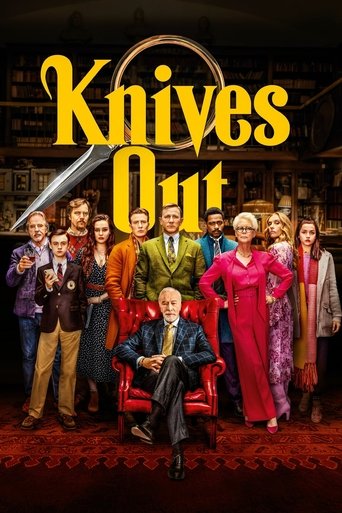
A famous crime novelist dies the night of his 85th birthday party, surrounded by his entire wealthy family. A detective is hired by an anonymous client to investigate. The family's treatment of the nurse who is the only person who actually cared for the old man becomes the film's real subject. Like Get Out, it's a genre film with a pointed political argument — the Thrombey family is a scalpel through American wealth, entitlement, and the discomfort of the immigrant other in their midst.
Candyman
12

Candyman

1992
6.6IMDb
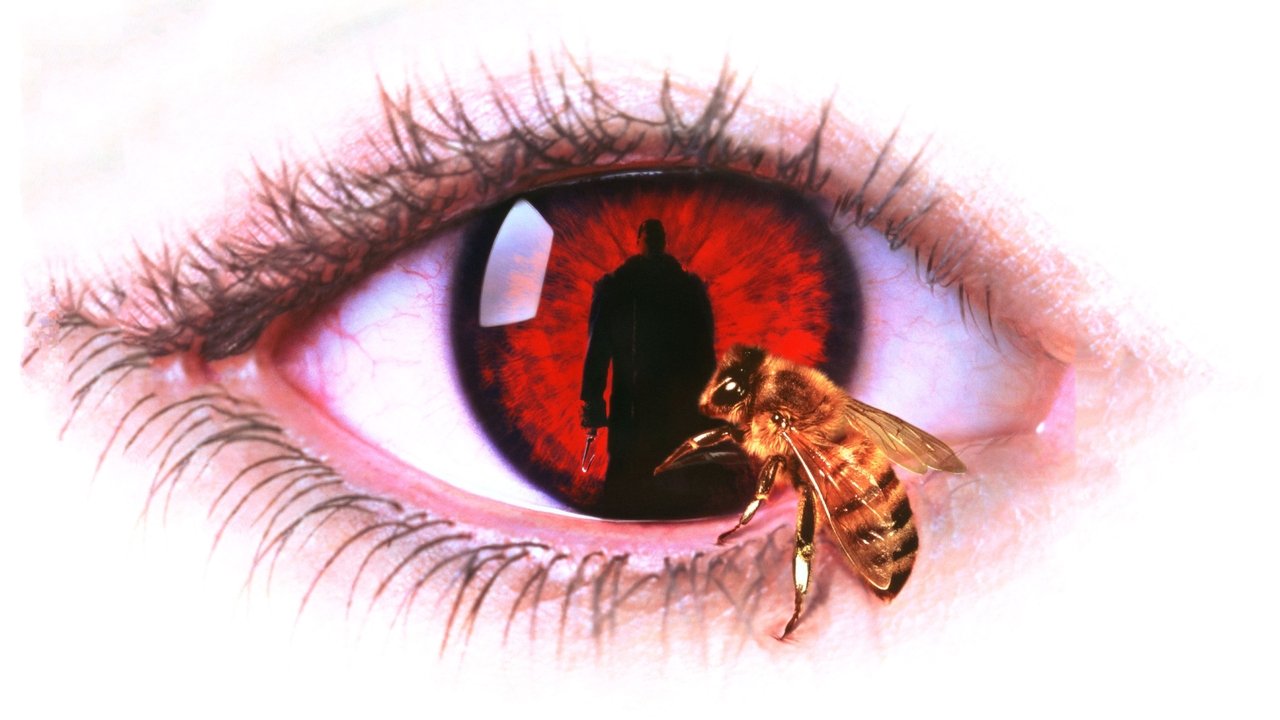
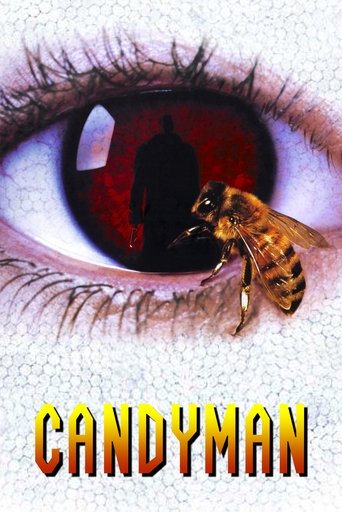
A grad student researching urban legends about a hook-handed killer decides to test whether he's real by saying his name five times in a mirror. He is real. The spirit is tied to the history of racial violence in Chicago's Cabrini-Green housing projects, and the film is Get Out's predecessor in using race as more than setting — here, race is the wound the monster emerged from. Both scary and genuinely sad about American history.
Section 6

International Social Horror

Raw
13

Raw

2016
7.0IMDb
A lifelong vegetarian arrives at vet school and undergoes a hazing ritual that requires her to eat raw meat for the first time. Something wakes up inside her. The horror is visceral and literal, but the film is really about identity, family expectation, and what we suppress to fit in — the same question Get Out asks through a different lens. A debut film of extraordinary confidence.
The Platform
14

The Platform

2019
7.0IMDb
A man volunteers to spend time in a vertical prison, not knowing what it is. Hundreds of levels, one platform of food descending from the top: the upper levels feast, the lower levels starve, the lowest levels get nothing. Nobody on the upper floors thinks about this. The bluntest class allegory in recent horror, without Get Out's elegance but with even less patience for ambiguity. If you want your social commentary with a sledgehammer, here it is.
15

Tumbbad

2018
8.3IMDb
A young man discovers that his family's ancestral estate conceals a secret: a trapped, forgotten god sitting on an infinite supply of gold coins, reachable if you know the route and can get out before it wakes fully. He makes the trip once. Then again. Then he teaches his son. Where Get Out uses race as the wound that horror emerges from, Tumbbad uses greed — specifically the generational inheritance of greed, passed from father to son like a curse. The creature design is unlike anything in Western horror, and the mythology feels ancient rather than invented.
Section 7

Quick Comparison

| Movie | Social Target | Horror Style | Best For | |-------|--------------|--------------|----------| | Us | American prosperity, duality | Psychological, home invasion | The ambitious follow-up | | Parasite | Class warfare | Dark comedy into horror | The international masterpiece | | The Stepford Wives | Patriarchy, female autonomy | Paranoia | The feminist blueprint | | Sorry to Bother You | Labor, race, capitalism | Surrealist satire | The sharpest edges | | Rosemary's Baby | Patriarchy, isolation | Slow paranoia | The original gaslight horror | | Midsommar | Cults, outsider anxiety | Folk horror, daylight dread | The daylight nightmare | | Tumbbad | Colonialism, greed | Mythology-based horror | The hidden gem pick |

Section 8

Want More?

- [Full list: Movies Like Get Out](/similar/get-out) — 20+ thematic matches from our algorithm - [Best horror movies](/best/horror) — top-rated horror across all subgenres - [Social satire films](/mood/thought-provoking) — films with something to say - [Jordan Peele's films](/pack/director/jordan-peele) — the complete Peele filmography